Rubio in Abu Dhabi: Gulf partners central to US-Iran peace push
Synopsis
Marco Rubio's Abu Dhabi stop after Switzerland talks is more than a diplomatic courtesy call — it is Washington signalling that Gulf states are co-architects of any Iran deal, not just bystanders. His blunt 'they'll either do it or they won't' framing puts Iran on notice while keeping the door open, and his dismissal of a Gulf-funded reconstruction fund suggests the economic carrot is still a long way off.
Key Takeaways
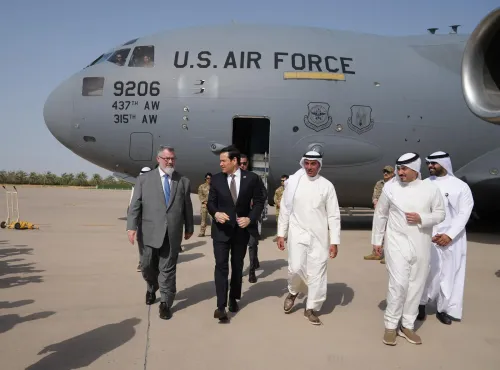
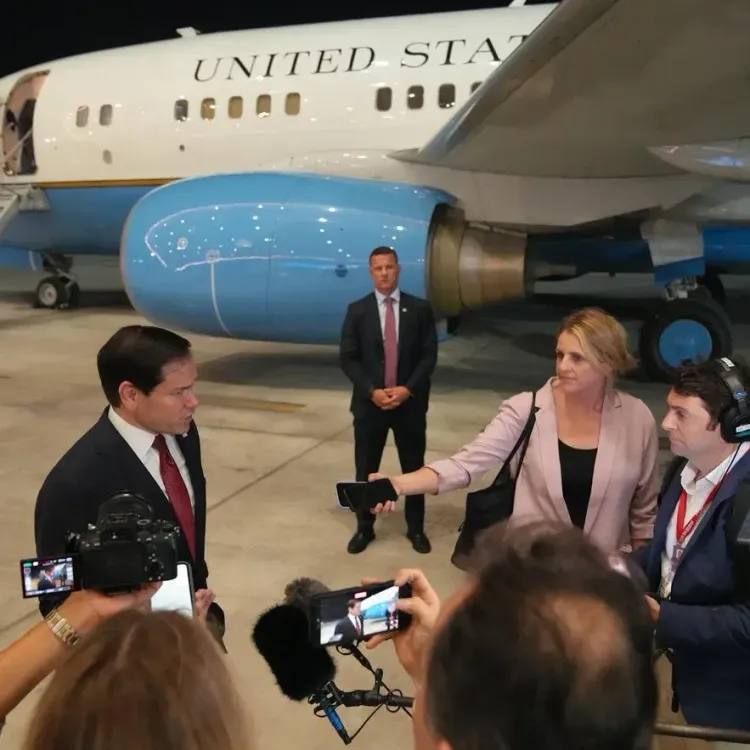
US Secretary of State Marco Rubio arrived in Abu Dhabi on 24 June for consultations with Gulf partners on the Iran peace framework.
Rubio said the US knows what Iran agreed to on IAEA inspections, despite Tehran publicly disputing elements of the emerging deal.
He warned that if Iran does not follow through, 'the President will have some decisions to make.' Rubio dismissed suggestions of a Gulf-funded reconstruction fund for Iran, calling it 'far down the road.' He said regional peace is impossible while Iranian proxy groups continue missile and drone attacks from Iraq.
Rubio reaffirmed that the Strait of Hormuz must remain open under international law, rejecting any Iranian tolls on the waterway.
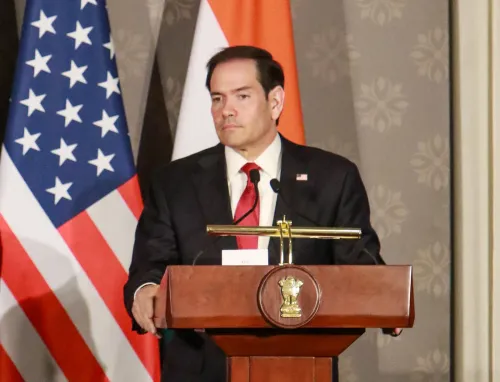
US Secretary of State Marco Rubio arrived in Abu Dhabi on 24 June and said Washington is in close consultation with its Gulf partners as it works to advance a peace framework with Iran, while cautioning that substantial work remains despite what he described as meaningful progress over the preceding several days. The visit came on the heels of weekend talks held in Switzerland.
Key Developments
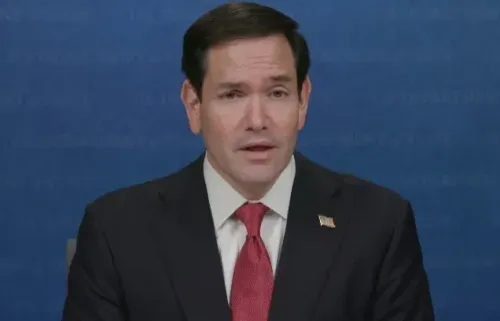
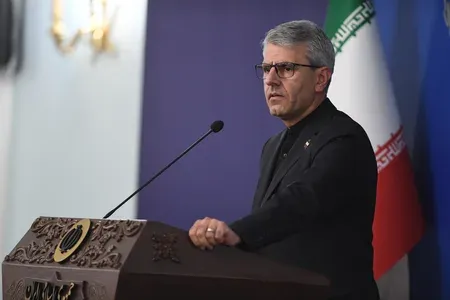
Rubio was direct about Washington's confidence in what Tehran had agreed to, even as Iranian officials publicly disputed elements of the emerging framework. 'We know what they agreed to,' he told reporters, referring to questions about International Atomic Energy Agency (IAEA) inspections. 'Whatever their internal or domestic politics is, I guess they'll navigate it. But we know what they agreed to do, and now they'll either do it or they won't.'
He added that if Iran follows through, 'the process moves forward,' but warned that if it does not, 'the President will have some decisions to make.' The remarks signal that the Trump administration is holding Iran to specific commitments, even while leaving the nature of those commitments deliberately vague in public.
What the US Said About Gulf Partners
Rubio described the United Arab Emirates as one of Washington's strongest partners and said the bilateral relationship had deepened over the past decade. He framed the Abu Dhabi stop as a listening exercise rather than a briefing. 'We're really here to hear from them more than we are to talk,' he said. 'We want to hear their thoughts, especially in the aftermath of this weekend in Switzerland, and make sure that their views are taken into account in every decision that we make because they're our partners.'
When asked whether Gulf allies back the evolving Iran framework, Rubio said all US partners favour peace but stressed that negotiations remain at an early stage. 'This is an issue that's been going on for 47 years,' he said. 'So the idea that somehow it's going to get solved in a day and a half, I don't think anyone's been selling that.'
On Reconstruction Funds and Economic Incentives
Rubio firmly dismissed suggestions that Washington would press Gulf states to finance a reconstruction fund for Iran. 'No, that's far down the road,' he said, adding that any future economic opportunities would hinge entirely on decisions made by Iran's own leadership and on progress across broader security issues. 'It won't be our investment. It won't be our government money,' he said.
Regional Security and Proxy Groups
On the question of Iranian-backed proxy forces, Rubio said a lasting end to regional hostilities was incompatible with ongoing proxy attacks. 'You can't have the end of hostilities and conflicts in the region as long as Iranian proxies are launching missiles and drones from Iraq and are participating in terrorism like Hamas did and like Hezbollah did,' he said. He also stressed that talks involving Lebanon and Israel should be kept separate from the Iran negotiations, noting that 'the future of Lebanon belongs to the Lebanese people through their sovereign elected government.'
Strait of Hormuz and Freedom of Navigation
Rubio reaffirmed Washington's position that the Strait of Hormuz must remain open under international law, rejecting any suggestion that Iran could levy charges on shipping. 'These are international waterways,' he said. 'No country is allowed to charge tolls or fees on an international waterway.' This comes amid longstanding concerns that Tehran could use the strait as leverage in any breakdown of nuclear diplomacy. The next phase of negotiations is expected to test whether the framework outlined in Switzerland can survive both Iranian domestic politics and regional security complexities.
Point of View
The Trump administration is institutionalising Gulf buy-in as a condition of any deal, which gives Gulf states quiet veto power over the pace and shape of diplomacy. The proxy-groups caveat is the most consequential element mainstream coverage underplays — it effectively links any Iran framework to a broader regional settlement that includes Hamas and Hezbollah, raising the bar dramatically. Whether Tehran reads Rubio's 'the President will have some decisions to make' as a credible threat or diplomatic boilerplate will determine whether the Switzerland groundwork holds.
NationPress
22 Sept 2026
Frequently Asked Questions
What did Marco Rubio say about the US-Iran peace framework in Abu Dhabi?
Rubio said Washington has a clear understanding of the commitments Iran made during recent talks and that the process will move forward only if Tehran follows through. He described good groundwork laid over the previous 72 hours but cautioned that significant work remains on a dispute that has persisted for 47 years.
Why did Rubio visit Abu Dhabi after the Switzerland talks?
Rubio visited Abu Dhabi to consult Gulf partners and hear their views on the emerging Iran framework following weekend negotiations in Switzerland. He described the UAE as one of Washington's strongest partners and said Gulf perspectives would be factored into every decision the US makes.
What is Washington's position on IAEA inspections of Iran?
Rubio said the US knows what Iran agreed to regarding IAEA inspections, even as Iranian officials publicly disputed elements of the framework. He indicated that Iran's domestic political messaging would not change Washington's understanding of the commitments made.
Will Gulf states fund an Iran reconstruction fund?
Rubio dismissed the idea, saying it is 'far down the road' and that any future economic opportunities for Iran would depend on its own leadership's decisions and progress on security issues. He explicitly said neither US government money nor Gulf investment was being discussed at this stage.
What did Rubio say about Iranian proxy groups and regional security?
Rubio said a complete end to regional hostilities is impossible while Iranian-backed proxies continue launching missiles and drones from Iraq and engaging in terrorism. He treated the proxy issue as a separate but linked track to the nuclear negotiations, and said Lebanon's future should be decided by its own sovereign government.