Rubio pledges Gulf states full role in every stage of Iran nuclear talks
Synopsis
Rubio's Bahrain pledge goes further than diplomatic courtesy — it is a structural commitment to loop all six Gulf states into the US-Iran negotiating room, not just Qatar. With the 17 June MOU now moving to technical talks, Washington is signalling that any deal on Iran's nuclear programme, missiles, and proxy networks must carry Gulf fingerprints or it won't carry US backing.
Key Takeaways
US Secretary of State Marco Rubio met GCC ministers in Bahrain on 25 June and pledged Gulf involvement at every stage of Iran negotiations.
Rubio said Washington would not conclude any agreement that Gulf partners are unaware of or not aligned with.
Qatar's mediation role was welcomed, but Rubio stressed that all six Gulf countries' views must be reflected in the process.
Gulf concerns go beyond Iran's nuclear programme to include Tehran's support for militias in Iraq , Hamas , and the Houthis .
Rubio declared zero tolerance for any transit fees or tolls on the Strait of Hormuz , calling it non-negotiable.
The US-GCC joint statement welcomed the 17 June US-Iran MOU while insisting any deal must address ballistic missiles, drones, and proxy group funding.
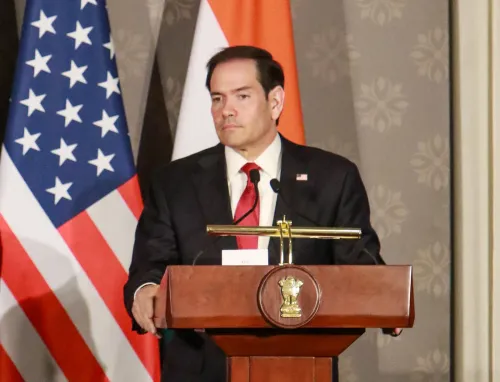
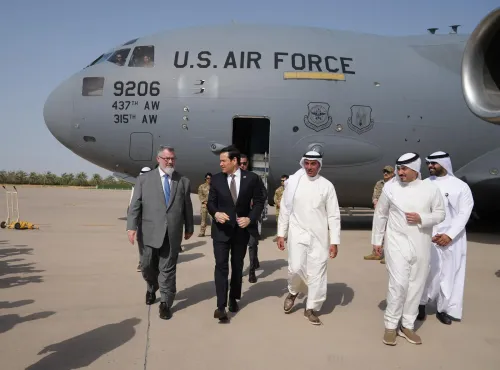
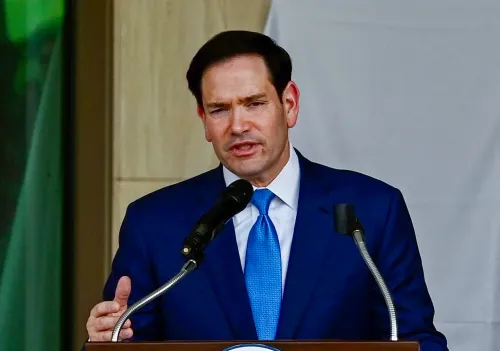
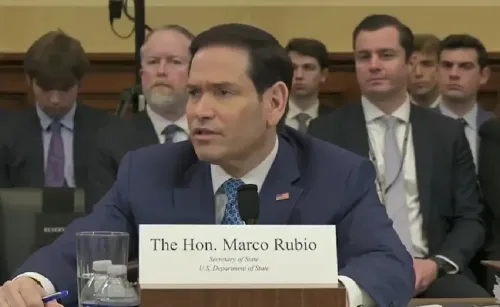
US Secretary of State Marco Rubio on Thursday, 25 June pledged that Gulf Arab states would be kept closely involved at every stage of Washington's ongoing negotiations with Iran, stating that the United States would not make any commitments affecting regional security without first consulting its Gulf partners. The assurance came after a ministerial meeting between the US and the Gulf Cooperation Council (GCC) held in Bahrain.
What Rubio Said After the GCC Meeting
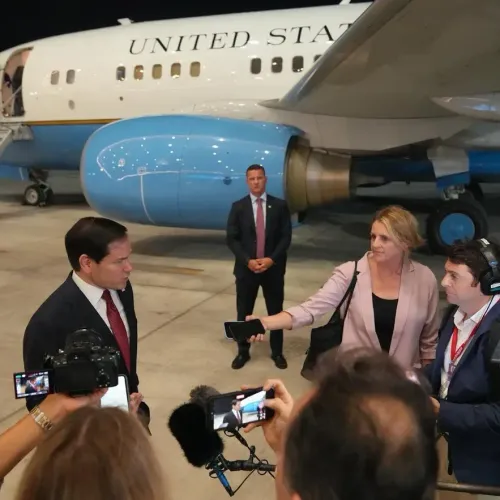
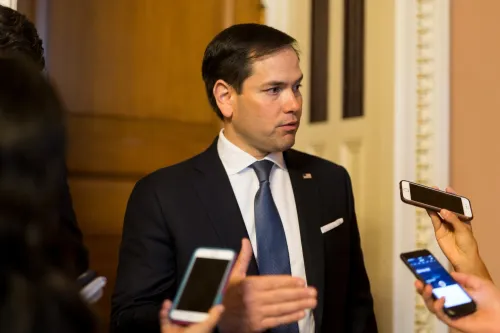
Speaking to reporters following the Bahrain talks, Rubio said Gulf leaders had made their expectations unambiguous — they wanted regular, structured consultations as negotiations with Tehran transition from a political framework to technical-level discussions.
'They've shared with us some very concrete concerns, ideas, and... I think the biggest concern is that they really just want to be informed every step along the way, as we enter these negotiations at both the technical and political levels,' Rubio said.
He added that Washington intended to establish a formal communication channel with Gulf governments so that partners would not be left learning about developments through press reports. 'Every step of the way, we'll create a system where we are always in communication with them, and they're not reading about it in the media,' he said.
Qatar's Mediation Role and the Broader Gulf Voice
Rubio acknowledged Qatar's central role as a mediator in the US-Iran process but stressed that all six Gulf countries must remain engaged throughout. 'We want them to be involved... it's helpful that Qatar is there as a mediator, but we want the views of all these countries to be reflected,' he said. Washington, he emphasised, would not conclude any agreement that undermined the interests of its regional allies.
'We're not going to do anything or agree to anything that they're not aware of, that our partners in the area are not aligned with, and that in any way could undermine their security and their stability,' Rubio stated.
Iran's Proxy Networks: A Core Gulf Concern
Rubio made clear that Gulf anxieties extend well beyond Iran's nuclear programme to Tehran's support for armed non-state actors across the Middle East. Citing the memorandum of understanding (MOU) signed on 17 June between Washington and Tehran, he said the document explicitly addressed non-interference in the sovereignty of independent nations.
'When you're sponsoring militias in Iraq, you're interfering in Iraq. When you're sponsoring Hamas or the Houthis or whoever it may be, you're interfering in the sovereignty of these countries,' he said. 'You're not going to have peace and stability in this region as long as there are non-state actors operating within the boundaries and borders of sovereign countries and being funded by Iran.'
Strait of Hormuz: Zero Tolerance for Transit Fees
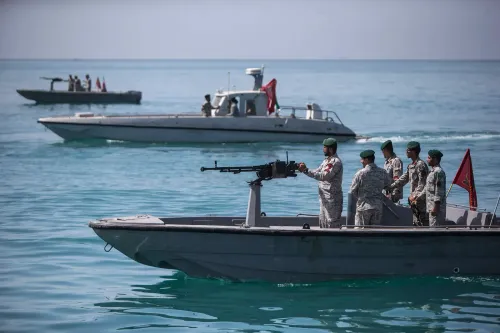
Rubio also flatly rejected any proposal to impose transit charges on vessels passing through the Strait of Hormuz, a critical artery for global energy shipments. 'There is zero support — zero support — among the Gulf countries for any sort of toll or fees or anything that charges for the use of international waters,' he said. He reinforced the position moments later: 'If you are charging money to use the straits, we won't support it. We won't tolerate it; we won't allow it.'
Background: The US-Iran MOU and What Comes Next
The comments follow a joint statement issued by the US and the GCC welcoming the 17 June MOU between Washington and Tehran, while stressing that any final agreement must prevent Iran from acquiring a nuclear weapon and must address its ballistic missiles, drone capabilities, and support for regional proxy groups. The MOU established a negotiating framework after weeks of elevated regional tensions. Gulf states have sought greater visibility into the process given the direct implications any deal could carry for regional security, maritime trade, and energy exports. Technical-level talks are expected to follow, with Gulf consultation now formally on the agenda.
Point of View
Where Gulf states felt sidelined and spent years lobbying against the deal's architecture. The structural promise of a formal consultation channel is notable, but the harder question is enforcement: what happens when technical negotiations move fast and Gulf consensus is slow? The inclusion of proxy networks and ballistic missiles alongside the nuclear file also signals that Washington is framing this as a comprehensive regional security negotiation, not a narrow non-proliferation exercise — a far more ambitious and fragile construct.
NationPress
24 Sept 2026
Frequently Asked Questions
What did Marco Rubio pledge regarding Gulf states and Iran talks?
Rubio pledged on 25 June that all six Gulf Cooperation Council states would be consulted at every stage of US negotiations with Iran, and that Washington would not agree to anything that undermines their security or stability. He said a formal communication system would be established so Gulf partners are not left learning about developments through the media.
What is the US-Iran memorandum of understanding signed on 17 June?
The 17 June MOU established a framework for negotiations between Washington and Tehran following weeks of regional tensions. It covers broad principles including non-interference in the sovereignty of independent nations, and is expected to move into technical-level discussions. The US-GCC joint statement welcomed it while stressing it must address Iran's nuclear programme, ballistic missiles, drones, and proxy group support.
Why are Gulf states concerned about the US-Iran negotiations?
Gulf states are concerned because any agreement with Iran has direct implications for their regional security, maritime trade, and energy exports. Their worries extend beyond Iran's nuclear ambitions to Tehran's funding of non-state armed groups, including militias in Iraq, Hamas, and the Houthis, which they view as threats to their sovereignty.
What is Washington's position on Strait of Hormuz transit fees?
Rubio stated categorically that the US will not support, tolerate, or allow any tolls or fees on the Strait of Hormuz, describing it as an international waterway with zero support among Gulf countries for such charges. He described it as a firm, non-negotiable position.
What role is Qatar playing in the US-Iran negotiations?
Qatar is serving as a mediator between Washington and Tehran. Rubio welcomed this role but emphasised that the views of all six Gulf Cooperation Council member states must be reflected in the negotiating process, not just those of the mediating country.