US 'almost out' of interceptors, Tomahawks in Iran war: Senator Murphy
Synopsis
A senior Democratic senator has warned that the US has nearly exhausted its missile interceptors and burned through most of its Tomahawks in the Iran war — even as a Republican colleague claims 85% of Iran’s ballistic missiles have been destroyed. With the Pentagon seeking $67 billion to restock and the Strait of Hormuz still closed, the gap between the two parties’ accounts of the war’s cost could not be starker.
Key Takeaways
Democratic Senator Chris Murphy said the US has used “almost all” of its interceptors and most of its Tomahawk missiles in the Iran war.
The Pentagon is seeking $67 billion in additional defence funding, partly to replenish expended weapons after nearly five months of fighting.
Murphy said he would oppose further war funding but is “prepared to support a bad deal” to end the conflict and reopen the Strait of Hormuz .
Republican Senator Jim Banks countered that the campaign had destroyed 85% of Iran’s ballistic missiles and blocked Tehran from acquiring a nuclear weapon.
President Donald Trump acknowledged munitions stocks are uneven, saying some categories face tighter supply.
Kevin Hassett said the US Navy is escorting ships out of the Gulf and the Jones Act has been waived to ease domestic oil distribution.
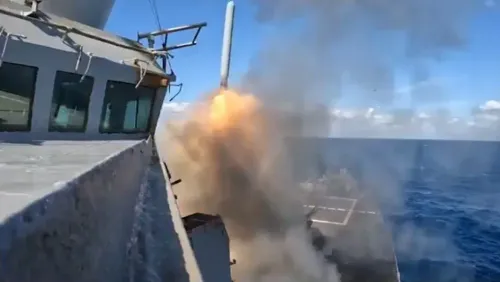
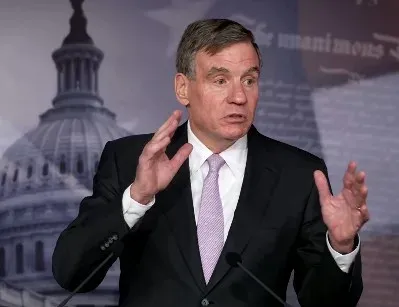
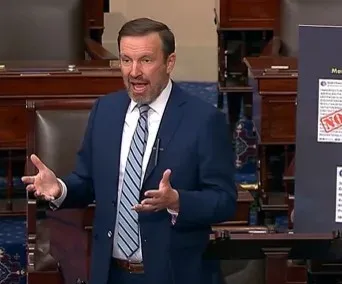
Democratic Senator Chris Murphy warned on 10 August that the United States had exhausted “almost all” of its missile interceptors and the majority of its Tomahawk cruise missiles during the ongoing war with Iran, cautioning that depleted stockpiles had placed the country and its allies in a perilous strategic position. Murphy, a member of the Senate Appropriations Committee, made the remarks as the Pentagon seeks an additional $67 billion in defence funding, partly to replenish weapons expended over nearly five months of fighting.
Murphy’s Warning on Stockpile Depletion
Speaking on NBC News’ ‘Meet the Press,’ the Connecticut senator said: “We have used up almost all of our interceptors, the majority of our Tomahawks.” He argued the situation had handed strategic openings to adversaries. “We have put the United States in a dangerous position. We have allowed Russia and China to imagine things that they couldn’t have imagined early because of our inability to defend ourselves and our allies,” Murphy said.
Murphy said he would withhold support for additional war funding while the conflict continued, but left the door open to backing a replenishment package once hostilities ceased. “If the war comes to an end, if the president ends this war, then, yes, of course, I and my colleagues will be ready to provide the funding to replenish the stores of munitions that have been spent,” he said.
Murphy Calls for a Deal, Even a Bad One
The senator argued that ending the conflict and reopening the Strait of Hormuz must take priority over securing favourable terms. In a striking admission, Murphy said he was prepared to accept an unfavourable agreement to halt the fighting. “I am prepared to support a bad deal, to end this war and reopen the Strait, because the only deal that is available, at this point of — in time, is a terrible bad deal,” he said, adding that continued fighting was weakening the United States and driving up prices for American consumers.
Republican Senator Offers Contrasting Assessment
Republican Senator Jim Banks of Indiana offered a sharply different reading of the military campaign, defending President Donald Trump’s record and asserting that US operations had inflicted severe damage on Iran’s military capacity. Banks said US forces had succeeded in “wiping out 85% of Iran’s ballistic missiles, Iran’s defense industrial base” and had prevented Tehran from acquiring a nuclear weapon.
“President Trump is the first president in 47 years who’s had the guts to stand up to the regime there and tell them that they’re not going to get away with it,” Banks said. He also credited Trump’s naval blockade with crippling Iran’s economy, arguing the campaign would produce lasting peace and demonstrate American strength.
Trump Acknowledges Uneven Munitions Supply
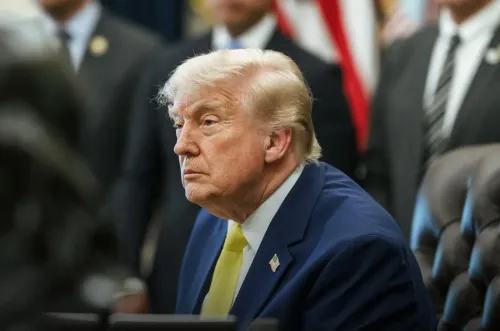
President Donald Trump acknowledged that US munitions stocks were uneven across categories. “We have certain types of munitions that are very powerful, that we have unlimited — virtual unlimited supply. We have others where it’s a little bit tighter,” Trump said in remarks aired by the programme. The White House has not publicly disclosed which specific categories face the tightest constraints.
Economic Fallout and Gulf Shipping
Separately, White House National Economic Council Director Kevin Hassett told CNN that the US Navy was escorting ships out of the Gulf and that Washington had increased domestic oil production and waived the Jones Act to move Gulf-produced oil to the US East and West coasts. “Prices are still higher than we would like, but we have taken a lot of steps so that, when the Gulf situation is resolved, then we could expect prices to go way, way down because of all these new measures that we have taken,” Hassett said. The closure of the Strait of Hormuz has added pressure to global energy markets, compounding the economic cost of the conflict for ordinary Americans.
With the Pentagon seeking $67 billion in fresh defence appropriations and bipartisan divisions sharpening over the war’s direction, the debate over stockpile readiness and diplomatic off-ramps is set to intensify in the weeks ahead.
Point of View
The US has traded long-term deterrence capacity for a five-month campaign whose strategic outcome remains contested. The willingness of a senior appropriations senator to publicly endorse ‘a bad deal’ signals that the war’s domestic political sustainability is eroding faster than the administration may be acknowledging. Mainstream coverage has focused on battlefield claims; the harder story is what depleted Tomahawk and interceptor stocks mean for US commitments in the Indo-Pacific and Eastern Europe simultaneously.
NationPress
10 Aug 2026
Frequently Asked Questions
What did Senator Chris Murphy say about US weapons stockpiles in the Iran war?
Murphy said the US has used ‘almost all’ of its missile interceptors and the majority of its Tomahawk cruise missiles during the Iran war. He warned this has left the United States and its allies in a strategically dangerous position and handed openings to Russia and China.
How much additional defence funding is the Pentagon seeking?
The Pentagon is seeking $67 billion in additional defence funding, partly to replace weapons expended during nearly five months of fighting with Iran. Democratic Senator Murphy has said he will oppose the funding while the war continues, but would support replenishment spending once the conflict ends.
What is Senator Murphy’s position on ending the Iran war?
Murphy has called for ending the conflict and reopening the Strait of Hormuz as the top priority, even if it means accepting unfavourable terms. He explicitly said he is ‘prepared to support a bad deal’ to halt the fighting, arguing continued war is weakening the US and raising prices for Americans.
What did Republican Senator Jim Banks say about the Iran campaign?
Banks offered a contrasting view, asserting that US forces had destroyed 85% of Iran’s ballistic missiles and dismantled its defence industrial base, while preventing Tehran from acquiring a nuclear weapon. He credited Trump’s naval blockade with crippling Iran’s economy and predicted the campaign would produce lasting peace.
How is the Iran conflict affecting oil prices and Gulf shipping?
The closure of the Strait of Hormuz has pressured global energy markets. White House National Economic Council Director Kevin Hassett said the US Navy is escorting ships out of the Gulf, domestic oil production has been increased, and the Jones Act has been waived to move Gulf-produced oil to US coasts. Hassett said prices remain higher than desired but forecast a sharp drop once the Gulf situation is resolved.