US Admiral: Iran 'significantly weaker' after strikes, 90% defence base destroyed
Synopsis
Admiral Brad Cooper told Congress that US strikes destroyed 90% of Iran's defence industrial base and cut off Hamas, Hezbollah, and the Houthis from Tehran's weapons supply — but Democratic lawmakers fired back, warning the Iranian regime is still standing and the Strait of Hormuz remains a chokepoint. The gap between the Pentagon's victory narrative and the opposition's 'disaster' verdict is the real story from this hearing.
Key Takeaways
Admiral Brad Cooper told the House Armed Services Committee on 20 May that Iran's military capabilities had been 'significantly degraded' by US operations.
The US military claims to have destroyed 90 per cent of Iran's defence industrial base through Operations 'Epic Fury' and 'Midnight Hammer' .
A US naval blockade has turned away 88 ships , with zero trade reported into or out of Iranian ports.
Cooper said Hamas , Hezbollah , and the Houthis are now cut off from Iran's weapons supply and support.
Democratic lawmakers, including Representative Adam Smith , disputed the assessment, warning the Iranian regime remains in place and the Strait of Hormuz threat persists.
An investigation into a reported US strike on a girls' school in Minab is ongoing, according to Cooper.
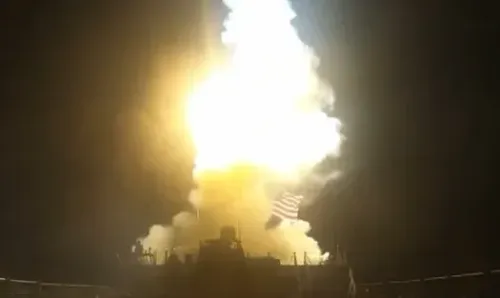
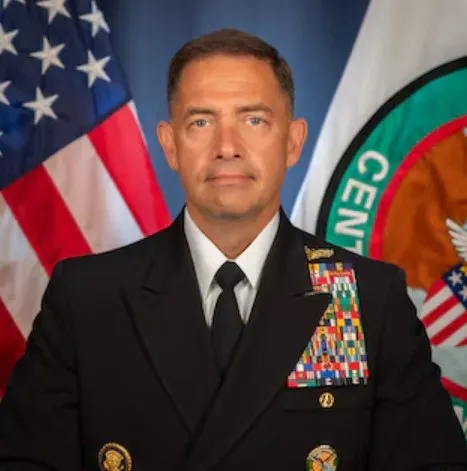
Admiral Brad Cooper, commander of US Central Command (Centcom), told the House Armed Services Committee on 20 May that Iran's military capabilities had been 'significantly degraded' following weeks of US-led operations across the Middle East. Defending the Trump administration's military campaign, Cooper argued that Operations 'Epic Fury' and 'Midnight Hammer' had dismantled much of Tehran's ability to project power across the region.
Key Claims from the Centcom Commander
Cooper told lawmakers the US military had 'significantly degraded Iran's ballistic missiles and drones while destroying 90 per cent of their defence industrial base, ensuring that Iran cannot reconstitute for years.' He added that Iran's regional proxy network had also been severely weakened.
'Today, Hamas, Hezbollah and the Houthis are cut off from Iran's weapons supply and support,' Cooper testified. He also noted that Iran-backed groups had attacked US troops and diplomats more than 350 times over the past two-and-a-half years before the latest military campaign began.
Naval Blockade and Economic Pressure
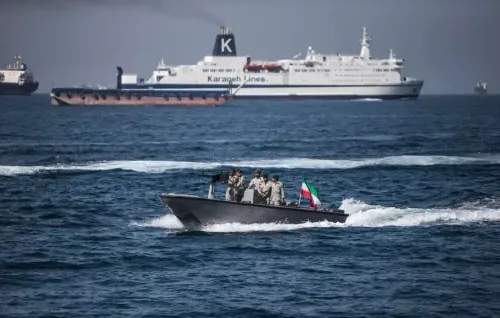
Cooper defended the continuing US naval blockade around Iran, describing it as a major source of leverage in ongoing negotiations. 'To date, we've turned away 88 ships,' he said. 'There has been zero trade into Iranian ports and zero trade out of Iranian ports.' He argued the blockade and sustained military pressure were imposing severe economic costs on Tehran. The hearing came amid rising oil prices and continuing disruption of shipping through the Strait of Hormuz.
Democratic Lawmakers Push Back
Democratic members of the committee repeatedly challenged Cooper's assessment, arguing that despite the military operations, Iran still retained the ability to disrupt global commerce through the Strait of Hormuz. Representative Adam Smith offered a blunt counter-assessment: 'We are in a disaster right now. The regime is in place. It's not going anywhere.'
This comes amid growing political scrutiny over the nearly three-month conflict with Iran, with lawmakers on both sides pressing for clearer strategic benchmarks.
Civilian Casualty Allegations
Lawmakers also pressed Cooper on civilian casualty allegations linked to US strikes inside Iran, including a reported strike on a girls' school in Minab. Cooper acknowledged that an investigation into the incident was continuing but insisted the US military followed the law of armed conflict. 'The United States does not deliberately target civilians. Period. Full stop,' he said. 'We follow the law of armed conflict to the tee.'
Regional Coordination and What Comes Next
The admiral highlighted the role of US allies and Gulf partners during the campaign, calling the regional military coordination unprecedented. 'We literally served side by side in this broad Middle East air defence network with five Middle East partners,' Cooper said, citing Saudi Arabia, Bahrain, Qatar, UAE and Kuwait. Cooper said the US military remained fully prepared for further contingencies if negotiations with Tehran failed. 'As I sit here, we're clear-eyed,' he said. 'The situation in front of us is complex.'
Point of View
But the metrics he chose — ships turned away, proxy supply lines cut — are process measures, not strategic outcomes. The Iranian regime's survival, flagged pointedly by Representative Smith, is the one benchmark that matters most, and it is conspicuously absent from Centcom's ledger. The Minab school strike investigation is a legal and diplomatic liability that will outlast any battlefield gain. And with oil prices rising and the Strait of Hormuz still contested, the economic costs of this campaign are being borne globally — including by India, which depends heavily on Gulf shipping lanes and Iranian energy alternatives.
NationPress
5 Oct 2026
Frequently Asked Questions
What did Admiral Brad Cooper say about Iran's military capabilities?
Admiral Brad Cooper told the House Armed Services Committee on 20 May that Iran's military capabilities had been 'significantly degraded,' with 90 per cent of its defence industrial base destroyed. He said Iran cannot reconstitute its military capacity for years as a result of US operations.
What are Operations 'Epic Fury' and 'Midnight Hammer'?
These are the names of the US-led military operations against Iran that Cooper referenced during his testimony. According to Cooper, they dismantled much of Iran's ability to project power across the Middle East, including degrading its ballistic missile and drone capabilities.
How has the US naval blockade affected Iran?
According to Cooper, the US naval blockade has turned away 88 ships, resulting in zero trade into or out of Iranian ports. He described it as a major source of leverage in ongoing negotiations with Tehran.
Why are Democratic lawmakers critical of the military campaign?
Democratic lawmakers, including Representative Adam Smith, argued that despite the strikes, the Iranian regime remains in place and Iran still retains the ability to disrupt global commerce through the Strait of Hormuz. Smith called the broader strategic situation 'a disaster.'
What is the Minab school strike controversy?
Lawmakers pressed Cooper on allegations that a US strike hit a girls' school in Minab, Iran. Cooper acknowledged an investigation is ongoing but maintained that the US military does not deliberately target civilians and follows the law of armed conflict.