US Senate grills military over Iran strikes, Hormuz risks
Synopsis
US military commanders told the Senate that Iran's missile, drone, and naval infrastructure was gutted by nearly 90% in under 40 days — but Democrats fired back that there is no credible end-game, diplomacy has been abandoned, and the Strait of Hormuz still poses a live threat to global energy markets. The gap between the administration's victory claims and the unresolved strategic picture was on full display.
Key Takeaways
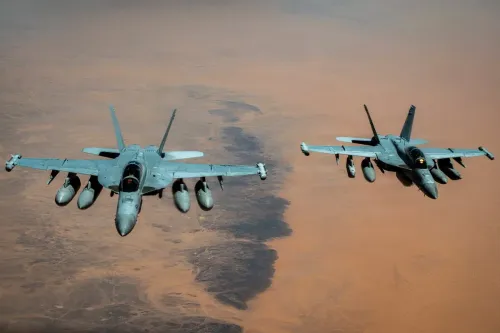
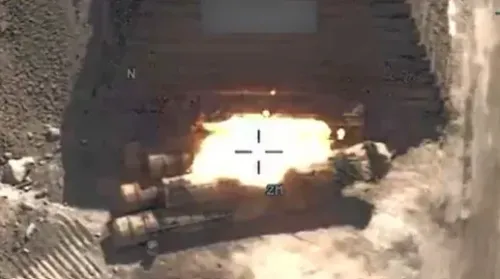
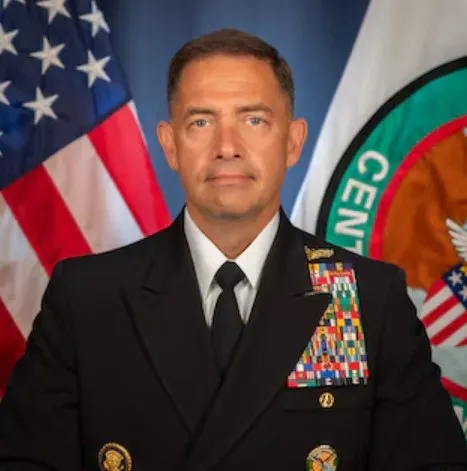
Admiral Charles Cooper II told the Senate Armed Services Committee on 15 May that Operation Epic Fury degraded Iran's military infrastructure by nearly 90 per cent in under 40 days .
Cooper said Iran's navy may not recover to its pre-conflict strength 'for a generation.' Cooper acknowledged Iran retains 'some residual capability' to threaten shipping through the Strait of Hormuz .
Senator Tim Kaine warned: 'If you make diplomacy impossible, you will make war inevitable.' General Dagvin Anderson described Africa as 'the epicenter of global terrorism,' citing expanding ISIS and Al Qaeda presence and growing Chinese and Russian influence.
The Trump administration's military campaign against Iran faced sharp bipartisan scrutiny at a Senate Armed Services Committee hearing on 15 May, as top US commanders defended the operation's gains while Democratic lawmakers warned of unresolved diplomatic and economic consequences — including the ongoing threat to shipping through the Strait of Hormuz.
Military Claims Decisive Degradation
Admiral Charles Cooper II, appearing before the committee, defended Operation Epic Fury and asserted that US forces had successfully dismantled Iran's capacity to project military power across the Middle East. 'In less than 40 days, Centcom forces achieved our military objectives,' Cooper told lawmakers. 'We degraded Iran's ability to project power outside its borders and threaten the region and threaten our interests.'
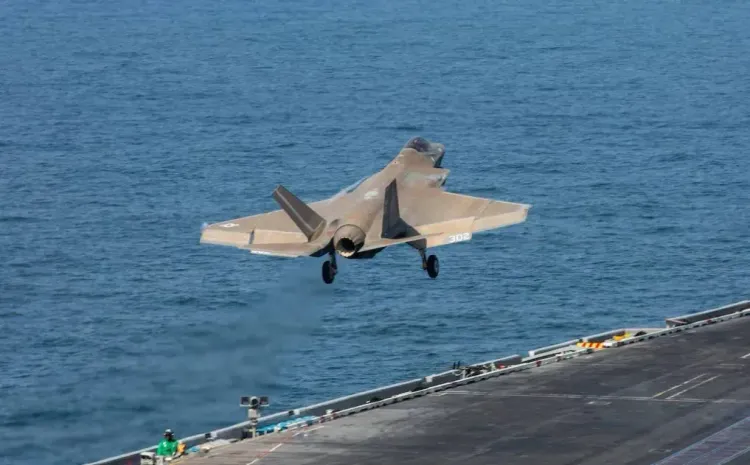
Cooper stated that Iran's missile, drone, and naval industrial infrastructure had been degraded by nearly 90 per cent. He further claimed that Tehran's navy may not recover to its pre-conflict strength 'for a generation' — a sweeping assessment that drew both support and scepticism from senators across the aisle.
Republican Support, Democratic Pushback
Republican senators offered strong backing for the administration's campaign. Senator Roger Wicker argued that Iran had spent decades supporting terrorism, attacking US interests, and advancing nuclear and ballistic missile programmes. Senator Tom Cotton contended that Iran was now 'significantly less of a threat' than before the operation, a characterisation Cooper endorsed, adding that Tehran could no longer mount the kind of mass missile and drone attacks witnessed in recent years.
Democrats, however, mounted sustained challenges to the administration's strategic framework. Senator Jack Reed argued there was 'no purely military solution' to the Iranian nuclear issue and criticised what he described as an absence of 'a credible strategy to win.' Senator Tim Kaine went further, accusing the administration of abandoning diplomacy altogether. 'If you make diplomacy impossible, you will make war inevitable,' Kaine said during the hearing.
Strait of Hormuz and Economic Fallout
A significant portion of the hearing focused on the Strait of Hormuz, the narrow waterway through which a substantial share of global oil supply passes. Lawmakers warned that disruptions were already translating into higher costs for American consumers. Cooper acknowledged that Iran retained 'some residual capability' to threaten shipping and energy infrastructure, though he maintained those capabilities had been 'dramatically degraded.' The admission underscored that the strategic waterway remains a live pressure point despite the military campaign's stated successes.
Africa Emerges as a Secondary Flashpoint
The hearing also addressed growing instability in Africa. General Dagvin Anderson warned that the continent had become 'the epicenter of global terrorism,' citing expanding ISIS and Al Qaeda affiliates across the Sahel and Somalia. Anderson also flagged rising strategic competition from China and Russia, which he said were deepening influence through infrastructure investment, military partnerships, and information operations — compounded by what he described as widening intelligence gaps across parts of the continent.
What Comes Next
The Senate hearing signals that congressional oversight of the Iran campaign is far from over. With Iran's residual capabilities still acknowledged by the military's own commanders, and the Strait of Hormuz remaining a chokepoint for global energy markets, the administration faces pressure to articulate a post-military diplomatic pathway — something critics argue has been conspicuously absent. How Washington navigates the next phase will have direct consequences for oil prices, regional alliances, and the broader question of Iranian nuclear ambitions.
Point of View
Which undermines the triumphal framing. The deeper problem is structural: military campaigns can destroy infrastructure, but they cannot resolve the nuclear question or reconstitute a diplomatic channel that the administration has visibly dismantled. Democrats are right that there is no articulated end-state. The Africa testimony, almost a footnote in coverage, deserves more attention — the Sahel's collapse and China-Russia entrenchment there is a slow-moving crisis that a Hormuz-focused Washington is poorly positioned to address.
NationPress
19 Sept 2026
Frequently Asked Questions
What is Operation Epic Fury?
Operation Epic Fury is the US military campaign against Iran referenced at the Senate Armed Services Committee hearing on 15 May. Admiral Charles Cooper II testified that the operation degraded Iran's missile, drone, and naval industrial infrastructure by nearly 90 per cent in under 40 days.
What did US commanders say about Iran's military capabilities after the strikes?
Admiral Charles Cooper II said Iran's capacity to project military power across the Middle East had been severely crippled, with missile, drone, and naval infrastructure degraded by nearly 90 per cent. He added that Tehran's navy may not recover to its previous strength for a generation, though he acknowledged some residual capability remained.
Why are senators concerned about the Strait of Hormuz?
The Strait of Hormuz is a critical chokepoint for global oil supply, and lawmakers warned that disruptions were already pushing up costs for American consumers. Cooper acknowledged Iran still has some residual ability to threaten shipping there, even after the strikes.
What did Democratic senators argue at the hearing?
Senator Jack Reed said there was no purely military solution to the Iranian nuclear issue and criticised the lack of a credible strategy. Senator Tim Kaine accused the administration of abandoning diplomacy, warning that making diplomacy impossible would make war inevitable.
What was said about Africa at the Senate hearing?
General Dagvin Anderson warned that Africa had become the epicenter of global terrorism, with ISIS and Al Qaeda affiliates expanding across the Sahel and Somalia. He also flagged growing Chinese and Russian strategic influence on the continent and warned of widening intelligence gaps.