Trump-Iran deal: Senator Mark Warner says key issues left unresolved
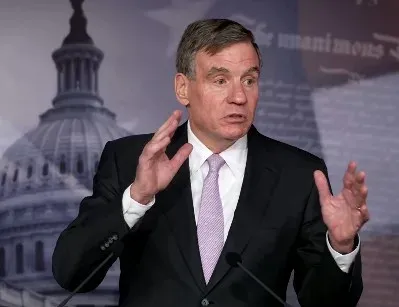
Synopsis
A senior Democratic senator with intelligence committee oversight says Trump's Iran deal is a strategic misfire — it skips missiles, ignores proxies, recycles a 20-year-old Iranian nuclear pledge, and hands Tehran tens of billions in sanctions relief. With the core nuclear question deferred 60 days, critics argue the US got the worst of both worlds.
Key Takeaways
Senator Mark Warner on 19 June publicly questioned the strategic value of President Trump 's newly signed memorandum of understanding with Iran .
The agreement makes no mention of Iran's ballistic missile programme or its regional proxy networks, including Hezbollah and the Houthis .
Warner said Iran's pledge not to develop a nuclear weapon has been Tehran's stated position for 15 to 20 years and represents nothing new.
The deal lifts some Iranian oil sanctions, which Warner said could deliver tens of billions of dollars to the Iranian regime.
The nuclear question has been deferred to a 60-day negotiating window, leaving the deal's core objective unresolved.
Warner argued that Iran 'at least played 'em to a tie' against both the US and Israel across 111 days of conflict.
Senior Democratic Senator Mark Warner on 19 June sharply questioned the strategic value of the agreement signed by President Donald Trump with Iran, arguing that the memorandum of understanding fails to address Tehran's ballistic missile programme, regional proxy networks, and future nuclear activities — while granting the Iranian regime significant economic relief through sanctions easing.
What Warner Said About the Deal
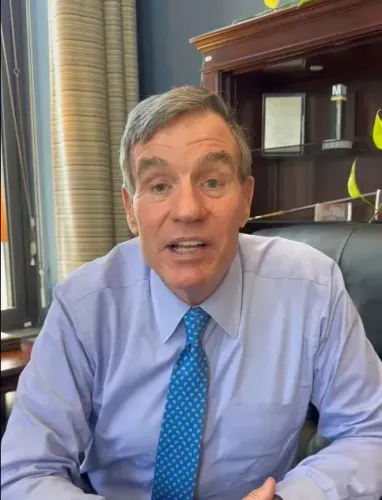
Speaking to reporters, Warner — Co-Chair of the Senate India Caucus and Vice Chair of the Senate Select Committee on Intelligence — said the agreement fell short of the objectives the Trump administration had publicly outlined at the start of the conflict. 'We are 111 days in this war,' Warner said. 'The thing we absolutely know is that America's not better off, our people's not better off, our economy's not better off.'
Warner argued that Iran had emerged from the confrontation in a stronger position than widely anticipated. 'Iran took on both the United States and Israel and at least played 'em to a tie,' he said. 'And we will be paying the price for this, unfortunately, I think for a long time to come.'
Missiles, Proxies, and the Nuclear Question
One of Warner's sharpest criticisms centred on the complete absence of Iran's ballistic missile capabilities from the agreement's text. 'One of the things Trump said at the outset, we gotta get rid of their ballistic missile capabilities,' Warner noted. 'And then this agreement doesn't even mention missiles.'
He similarly flagged the omission of any reference to Iran-backed groups operating across the Middle East. 'Trump said, we gotta stop the Iranian proxies in the region — Hezbollah, the Houthis in Yemen. This agreement doesn't even mention the proxies,' he said.
On the nuclear dimension, Warner argued that the deal's commitment that Iran would not develop a nuclear weapon represented no meaningful advance. 'That has been the Iranian government's position for the last 15 to 20 years. There's nothing new there,' he said, adding that the core question would only be discussed over the next 60 days.
Sanctions Relief and the Strait of Hormuz
Warner expressed particular concern over the economic concessions embedded in the memorandum. According to the senator, lifting restrictions on Iranian oil exports could channel tens of billions of dollars to the Iranian regime at a time when its leadership remains, in his characterisation, deeply hostile to the United States. 'It immediately lifts sanctions on some of the Iranian oil, which means that tens of billions of dollars will go to the Iranian regime,' he said.
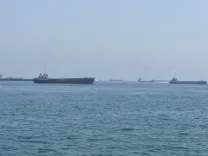
The senator also questioned the significance of provisions relating to the Strait of Hormuz, one of the world's most critical energy transit corridors. 'The Strait of Hormuz was open before the war took place,' he said, suggesting the clause offered little tangible gain.
Broader Concerns: Internal Pressure on Iran
Warner further argued that the memorandum effectively commits the United States to non-interference in Iran's internal affairs going forward — a provision he suggested could reduce external pressure on Tehran's leadership at a moment of significant domestic unrest inside Iran. This comes amid longstanding debate in Washington over whether economic pressure or diplomatic engagement is more likely to produce behavioural change from the Iranian government.
With the nuclear question deferred to a 60-day negotiating window and key structural issues left unaddressed, the durability and strategic impact of the Trump-Iran agreement remain deeply contested in the US Congress.
Point of View
Dismantling its proxy network, resolving the nuclear file — has signed a deal that addresses none of the three. The 60-day nuclear deferral is particularly telling; it converts the central casus belli into a future agenda item. Meanwhile, sanctions relief flows immediately. If Warner's read is accurate, the sequencing alone represents a significant concession. What mainstream coverage is underplaying is the domestic Iranian dimension: a deal that forecloses US interference while easing economic pressure could actually stabilise a regime facing internal unrest — the opposite of the strategic outcome Washington claimed to seek.
NationPress
18 Sept 2026
Frequently Asked Questions
What is the Trump-Iran memorandum of understanding?
It is an agreement signed by President Donald Trump and Iran, reportedly a day before 19 June, that includes a commitment from Iran not to develop a nuclear weapon and provisions related to the Strait of Hormuz, along with a partial easing of sanctions on Iranian oil exports. Critics, including Senator Mark Warner, argue it leaves Iran's ballistic missile programme, proxy networks, and the core nuclear question unresolved.
Why is Senator Mark Warner criticising the Trump-Iran deal?
Warner, Vice Chair of the Senate Select Committee on Intelligence, argues the deal fails on the three objectives Trump cited at the outset of the conflict — eliminating Iran's ballistic missiles, stopping its regional proxies, and resolving the nuclear threat. He also raised concern that lifting oil sanctions could deliver tens of billions of dollars to the Iranian regime.
Does the deal address Iran's ballistic missile programme?
No. According to Senator Warner, the agreement makes no mention of Iran's ballistic missile capabilities, despite President Trump having identified their elimination as a primary objective when the conflict began.
What does the deal say about Iran's nuclear programme?
The memorandum includes Iran's commitment not to develop a nuclear weapon, but Warner noted this has been Tehran's stated public position for 15 to 20 years. The substantive nuclear question is deferred to a 60-day negotiating window.
How does the deal affect Iran's regional proxies like Hezbollah and the Houthis?
The agreement does not mention Iran-backed groups such as Hezbollah or the Houthis in Yemen. Warner criticised this omission directly, noting that neutralising Iranian proxy influence in the region was one of the stated goals of US involvement in the conflict.