Senator Warner slams Trump's Iran conflict as 'war of choice' with no gains
Synopsis
Democratic Senator Mark Warner didn’t just criticise the Iran conflict — he dismantled the administration’s victory narrative point by point: $60 billion in consumer gas costs, 60% of Iran’s missiles still intact, the IRGC more radical than before, and a deal silent on Hezbollah and the Houthis. His verdict: a war of choice that achieved none of its stated goals.
Key Takeaways
Senator Mark Warner called the US-Iran conflict “a war of choice” on 26 June , disputing the administration’s claims of strategic success.
Warner cited a $60 billion increase in gas prices as a direct consumer cost, separate from food, airline, and diesel price rises.
The administration separately requested $67 billion in additional military spending for munitions expended during the conflict.
Estimates suggest approximately 60 per cent of Iran’s missile capacity remains intact, according to Warner.
The agreement reportedly makes no mention of Iran’s support for Hezbollah or the Houthis , and allows Iran to resume oil sales in US dollars immediately.
Congress is still awaiting a comprehensive administration briefing on the terms of the deal that ended the conflict.
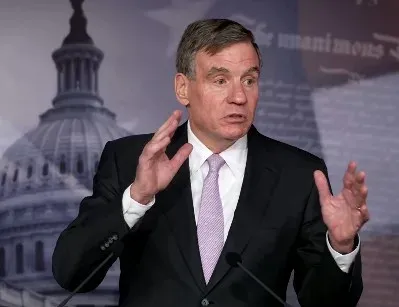
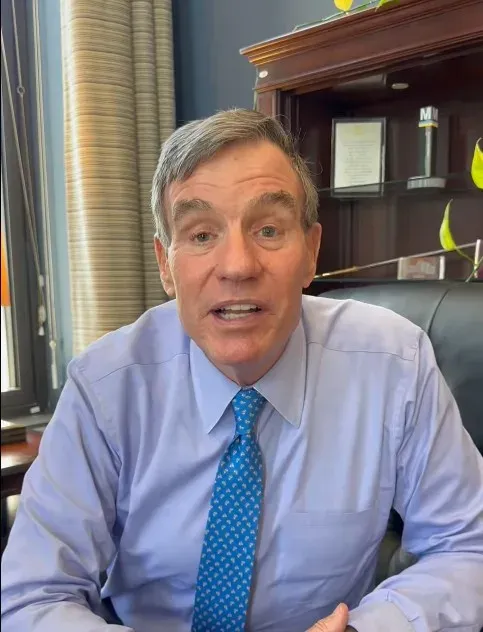
US Democratic Senator Mark Warner on 26 June sharply criticised President Donald Trump's handling of the conflict with Iran, calling it “a war of choice” that has left the United States economically and strategically worse off while failing to achieve any of its stated objectives. The Virginia Senator made the remarks during his weekly media availability, as Congress continued to await a comprehensive administration briefing on the deal that ended the conflict.
Key Accusations Against the Administration
Warner said the conflict had imposed direct costs on American consumers, citing a $60 billion rise in gas prices alone. He noted that figure excluded higher food prices from fertiliser costs, increased airline fares, elevated diesel prices, and the administration’s own request for $67 billion in additional military spending to cover munitions expended during the campaign.
“America is unfortunately worse off after this war of choice and none of the strategic goals that the President aspired to have been accomplished,” Warner said.
Strategic Failures Warner Outlined
The Senator disputed the administration’s claim that the campaign had met its strategic objectives on multiple fronts. He said the Islamic Revolutionary Guard Corps (IRGC) had become “much more radical” with “greater control now than before.” He also cited estimates suggesting that “about 60 per cent of Iran’s missile capacity is still intact.”
Warner further criticised the agreement for making no mention of Iran’s continued support for regional armed groups, including Hezbollah in Lebanon and the Houthis in Yemen — a stated objective of the campaign.
Concerns Over the Deal’s Terms
The Virginia Senator objected to provisions allowing Iran to immediately resume oil sales in US dollars, warning this would funnel “tens of billions of dollars to the Iranian coffers.” On the nuclear front, Warner said a proposed 60-day discussion period appeared unlikely to produce meaningful change: “It appears the best we’re gonna get is the status quo.” He recalled that international inspectors had been present in Iran under the 2015 nuclear agreement before Trump withdrew the US from it during his first term.
Strait of Hormuz Warning
Although the Strait of Hormuz was expected to reopen following the agreement, Warner warned that Iran had demonstrated it retains the capability to disrupt one of the world’s most critical energy shipping lanes at will. “Iran now knows it has the ability at any moment in time to close the strait,” he said.
Congress Still Awaiting Full Briefing
Warner underscored that Congress had yet to receive a complete briefing from the administration on the terms of the agreement. “We continued to wait to get a full briefing from the administration on the deal that President Trump cut to try to end the war with Iran,” he said. He closed with a pointed summary: “This is what happens when you start a war of choice without a plan.” The remarks signal deepening bipartisan scrutiny of the administration’s Iran strategy as the post-conflict diplomatic phase begins.
Point of View
No credible nuclear progress, and a deal that hands Iran immediate oil revenue. The 60-day nuclear discussion window he describes sounds less like diplomacy and more like a face-saving pause. What’s missing from mainstream coverage is the institutional dimension: a Congress still without a full briefing is a Congress unable to exercise meaningful oversight. If Warner’s numbers hold — 60% missile capacity intact, IRGC more entrenched — the administration’s victory framing will face sustained challenge not just from Democrats but from hawkish Republicans who expected a harder outcome.
NationPress
24 Sept 2026
Frequently Asked Questions
Why did Senator Warner call the Iran conflict a 'war of choice'?
Senator Mark Warner used the phrase to argue that the US entered the conflict with Iran by deliberate political decision rather than strategic necessity, and that it produced no meaningful gains. He said America was “unfortunately worse off” after the conflict, with none of the administration’s stated strategic goals accomplished.
What economic costs did Warner attribute to the Iran conflict?
Warner cited a $60 billion rise in gas prices as a direct cost to American consumers. He said that figure did not include higher food prices from fertiliser costs, increased airline fares, elevated diesel prices, or the administration’s request for $67 billion in additional military spending for munitions used during the conflict.
What did Warner say about Iran's military capabilities after the conflict?
Warner said estimates indicated that about 60 per cent of Iran’s missile capacity remained intact. He also said the IRGC had become “much more radical” with greater internal control than before the conflict began.
What are Warner's concerns about the deal that ended the conflict?
Warner criticised the agreement on several grounds: it makes no mention of Iran’s support for Hezbollah or the Houthis, it allows Iran to immediately resume oil sales in US dollars — potentially adding tens of billions to Iranian state coffers — and the proposed 60-day nuclear discussion is unlikely to move beyond the status quo.
Has Congress been briefed on the Iran deal?
No. As of 26 June , Congress had not received a comprehensive briefing from the Trump administration on the terms of the agreement that ended the conflict with Iran, according to Warner, who said lawmakers were still waiting for that disclosure.