Democratic Leaders Intensify Criticism of Trump Over Iran Conflict Costs
Synopsis
Top Democrats are increasing scrutiny on President Trump regarding the Iran military operations, highlighting rising costs and uncertainty. As the conflict stretches on, calls for transparency and strategic clarity grow louder among lawmakers.
Key Takeaways
Escalating Costs: The conflict has led to significant increases in fuel prices, impacting American households.
Lack of Strategy: Key Democratic leaders criticize the administration for not having a clear military strategy in Iran.
Calls for Accountability: Lawmakers are demanding transparency and accountability from the Trump administration.
Concerns Over Prolonged Conflict: There is a growing fear of entanglement in a conflict without strategic objectives.
Economic Impact: The rising military costs could lead to increased financial burdens on American families.
Washington, March 24 (NationPress) Key Democratic leaders in the United States have escalated their criticism of President Donald Trump regarding the ongoing military engagement with Iran, citing escalating expenses, a lack of transparency, and the looming threat of a drawn-out conflict without a definitive conclusion.
The political rift regarding the Iran situation has deepened as Democratic officials and representatives condemned the administration's management of the situation, which is now proceeding into its fourth week.
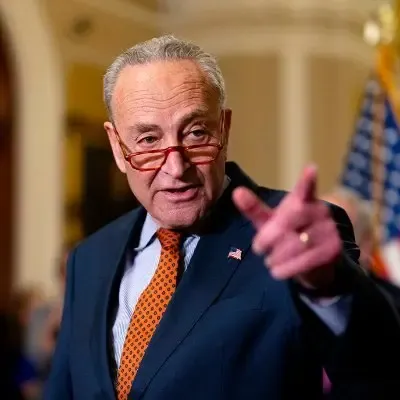
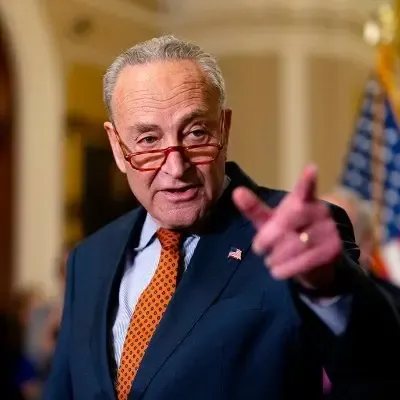
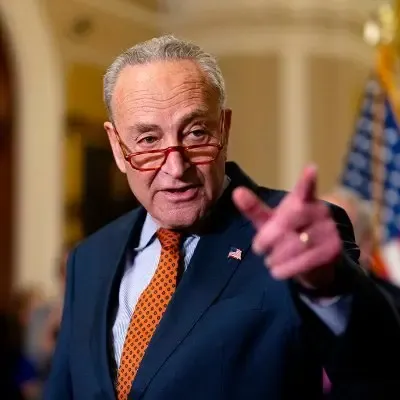
Senate Democratic Leader Chuck Schumer stated that the conflict lacks a clear objective or strategy. “As Donald Trump’s military action against Iran reaches its fourth week, there appears to be no resolution in sight,” he remarked on the Senate floor. He emphasized that the President has not offered “a straightforward plan for the way ahead.”
Schumer criticized what he characterized as the White House's fluctuating communication. “What is unfolding here? This is not the kind of leadership expected from a commander-in-chief. He seems either disoriented, deceptive, or perhaps both,” he stated.
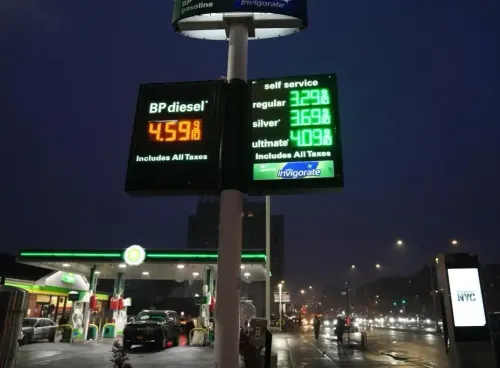
He also connected the conflict to the surge in fuel prices across the United States. “Just a month ago, the national average for gasoline was approximately $2.93 per gallon. Today, it stands at about $3.94—an increase of nearly a dollar in just 30 days,” Schumer pointed out, adding that “this spike in gas prices is one of the steepest monthly increases Americans have encountered since Putin’s invasion of Ukraine.”
Demanding oversight, Schumer called upon Senate Republicans to take action. “We require accountability. We need transparency. Above all, we require a strategy and an endpoint,” he urged.
Other Democratic representatives mirrored these sentiments. Congressman Greg Landsman noted that military objectives have largely been fulfilled and called for the cessation of the mission. “It’s time to conclude operations in Iran. We need to stop now. No expansion of the initial mission. No ground troops,” he insisted.
He asserted that US forces have already diminished Iran’s military capacity. “We have effectively dismantled nearly all of the regime’s missile and drone launch capabilities,” he said, claiming that the objective of targeting Iran’s weapons infrastructure “has been met.”
However, Landsman cautioned against deeper involvement. “It is crucial for the administration to terminate operations before we become ensnared in a conflict devoid of strategic reasoning,” he warned.
Senator Peter Welch also criticized the administration's strategy and opposed a reported $200 billion funding request for the war. “Our nation is now deeply entrenched in this conflict—the largest in a generation. Yet, the U.S. Senate has not conducted a single hearing,” he remarked.
Welch forewarned of economic repercussions stemming from the conflict. “Nationwide, gas prices at the pump have risen by at least a dollar. The average American household will incur an extra $2,000 annually for fuel,” he stated.
He further underscored wider economic implications, including increased costs for fertilizer and heating. “Heating oil prices are soaring… A typical family will be confronted with an additional $1,000 expense,” he added.
Welch also opposed any escalation of military efforts. “I will resist this funding. I will resist drifting into an endless war,” he declared.
Meanwhile, Congressman Sara Jacobs characterized the conflict as a significant policy error. “I believe this is one of, if not the largest, missteps in American foreign policy,” she stated, cautioning that there is “absolutely no plan for what follows next.”
Jacobs expressed concerns regarding civilian casualties and the lack of clarity from officials. “The American populace is not naive… you can’t even articulate whether this is a war, what our objectives are, or the costs involved,” she said.
The growing criticism indicates an increasing discomfort within Congress concerning the trajectory of U.S. policy in Iran, especially as domestic economic pressures mount.
Point of View
The growing dissent among Democratic lawmakers reflects deep concerns regarding the administration's strategy. The ramifications of this conflict are not just geopolitical; they are impacting American households and raising questions about the future direction of U.S. foreign policy.
NationPress
22 Sept 2026
Frequently Asked Questions
What are the concerns expressed by Democratic leaders regarding the Iran conflict?
Democratic leaders are worried about rising costs, lack of a clear strategy, and the potential for a prolonged conflict with no defined end.
How have gas prices been affected by the conflict?
Gas prices have surged, with the national average rising from approximately $2.93 to $3.94 a gallon in just one month.
What are lawmakers calling for in response to the conflict?
Lawmakers are demanding accountability, transparency, and a clear strategy for U.S. military operations in Iran.
What financial implications are being discussed?
Lawmakers are warning that American households could face an additional $2,000 yearly in gas expenses and increased costs for heating and fertilizers.
What actions are Democratic representatives urging?
They are urging an end to military operations in Iran and cautioning against deeper involvement.