Iran war drives US fuel prices to $4.51, sparking inflation crisis
Synopsis
Americans are paying $4.51 a gallon for petrol and have spent $45 billion more on fuel since the Iran conflict began — and Trump’s own words on ABC, ‘I don’t think about Americans’ financial situation,’ have handed Democrats a ready-made campaign line ahead of the midterms. The Strait of Hormuz adds a global dimension that goes well beyond US domestic politics.
Key Takeaways
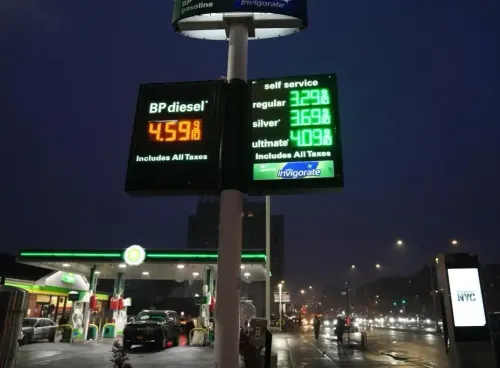
US petrol prices have reached an average of $4.51 a gallon amid the ongoing Iran conflict .
Americans have spent an estimated $45 billion more on fuel since the conflict began compared to a year earlier.
US Trade Representative Jamieson Greer acknowledged rising fuel costs but defended the administration’s Iran policy on national security grounds.
President Trump said on ABC News: ‘I don’t think about Americans’ financial situation’ — remarks Democrats have seized upon.
Former Transportation Secretary Pete Buttigieg blamed the war for making ‘everything from diesel to fertiliser to mortgages’ costlier.
The Strait of Hormuz remains a key global energy choke point, with ripple effects expected across oil-dependent economies including India .
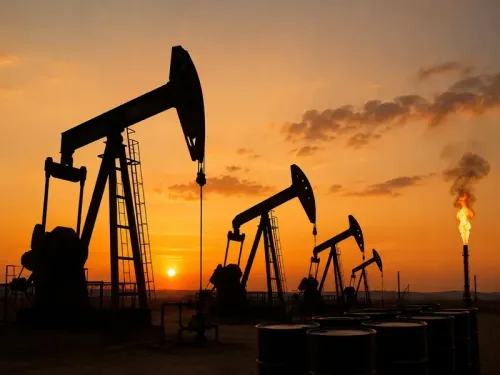
Rising fuel costs and deepening economic anxiety tied to the Iran conflict are generating significant political pressure on President Donald Trump and the Republican Party ahead of the US midterm elections, according to reports from major American television networks. With petrol averaging $4.51 a gallon nationally and Americans having spent an estimated $45 billion more on fuel since the conflict began compared to the same period a year earlier, the war's economic toll is increasingly difficult to defend on the campaign trail.
Administration Defends Its Position
US Trade Representative Jamieson Greer, appearing on CBS News on Sunday, acknowledged the rising fuel burden on ordinary Americans but framed the conflict as a necessary foreign policy trade-off. “We know that no one wants to see higher gas prices,” Greer said. “At the same time, the President is balancing foreign policy considerations.”
Greer argued that preventing Iran from acquiring nuclear weapons remained the White House’s overriding priority. “We don’t want our children or grandchildren to inherit a world where Iran has a nuclear weapon,” he added. The CBS interview, in which the $4.51-per-gallon average and the $45 billion additional fuel spend were cited, crystallised the administration’s central dilemma: national security framing versus kitchen-table economics.
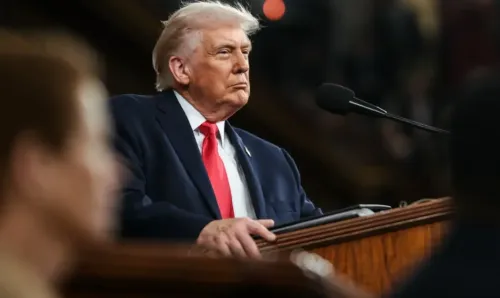
President Trump himself, speaking on ABC News, offered a blunter formulation. “I don’t think about Americans’ financial situation,” Trump said. “I think about one thing, we cannot let Iran have a nuclear weapon.” The remarks swiftly became opposition ammunition.
Democrats Escalate the Attack
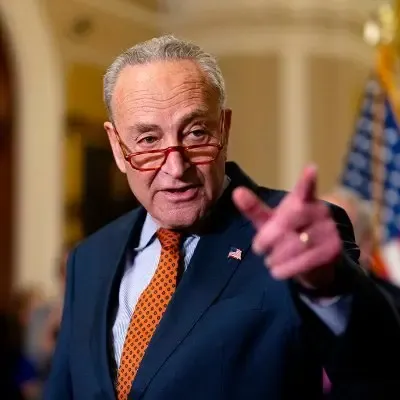
Former Transportation Secretary Pete Buttigieg, on CNN, argued that the administration’s decisions had made “everything from diesel to fertiliser to mortgages” more expensive. He accused the White House of rendering ordinary travel unaffordable. “More and more Americans cannot afford a road trip, because of the explosion in diesel prices and gas prices caused directly by the Iran war,” Buttigieg said.
House Minority Leader Hakeem Jeffries accused Trump of dragging the country into a “reckless and costly war of choice.” On CNN, Democratic Congressman Jake Auchincloss said Americans were directly connecting higher prices to Trump’s foreign policy choices, linking the economic fallout from both the China trade conflict and the Iran war.
Republicans Push Back, Predict Relief
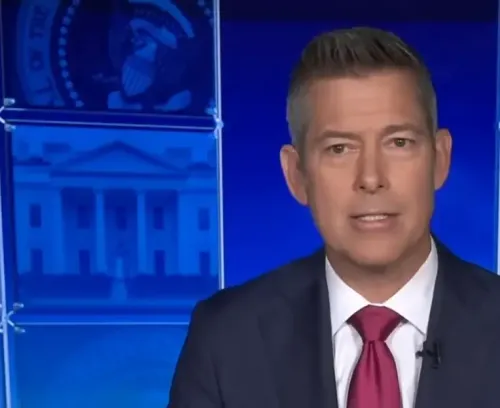
Republican allies insisted the economic pain would prove temporary. Former White House Press Secretary Sean Spicer, also on CNN, argued that Americans understood the broader stakes. “There’s a bigger existential threat that Iran poses to our safety,” Spicer said. Republican Congressman Buddy Carter predicted prices would ease once hostilities stabilised. “As soon as this conflict is over, I can assure you gas prices are going to go down,” Carter said.
Global Energy Markets and the Hormuz Factor
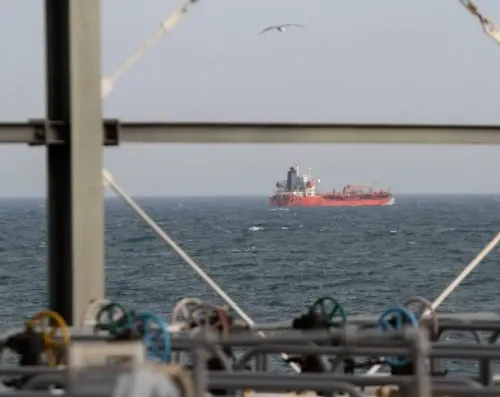
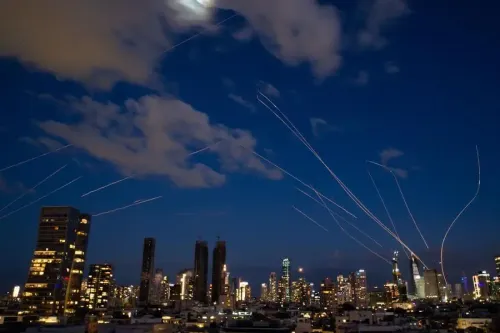
The Strait of Hormuz, through which a substantial share of the world’s oil shipments transit, remains the central choke point in global energy market anxiety. Prolonged instability in the region risks compounding inflationary pressures, raising shipping costs and weighing on economic growth across energy-dependent economies. India, which imports a significant share of its crude from the Gulf, is among the countries monitoring the conflict’s energy market ripple effects closely.
This comes amid an already fragile global inflation outlook, with central banks in multiple countries still navigating the aftermath of post-pandemic price surges. The Iran conflict adds a fresh supply-side shock to an environment where energy price stability had only recently begun to return. How quickly the situation resolves will determine whether the political damage to the Trump administration deepens further before the midterms.
Point of View
But politically it requires a public willing to absorb economic pain for a strategic goal they can see and verify; neither condition is clearly met here. The $45 billion additional fuel spend is not an abstraction — it shows up at every petrol station in every swing district. Republicans betting that prices will fall once the conflict ends are making a forecast, not a policy, and voters rarely reward forecasts that haven’t yet materialised.
NationPress
19 Sept 2026
Frequently Asked Questions
How much have US fuel prices risen due to the Iran conflict?
US petrol prices have reached a national average of $4.51 a gallon, with Americans spending an estimated $45 billion more on fuel since the conflict began compared to the same period a year earlier, according to data cited on CBS News.
What has President Trump said about the economic impact of the Iran war?
Speaking on ABC News, President Trump said ‘I don’t think about Americans’ financial situation,’ adding that his singular focus was preventing Iran from acquiring a nuclear weapon. The remarks drew sharp criticism from Democratic leaders.
How are Democrats responding to rising fuel costs linked to the Iran conflict?
Democrats including former Transportation Secretary Pete Buttigieg and House Minority Leader Hakeem Jeffries have blamed the Trump administration directly. Buttigieg said the war had made ‘everything from diesel to fertiliser to mortgages’ more expensive, while Jeffries called it a ‘reckless and costly war of choice.’
Why does the Strait of Hormuz matter for global energy prices?
The Strait of Hormuz is a critical maritime chokepoint through which a large share of the world’s oil shipments pass. Prolonged conflict near the strait raises the risk of supply disruptions, pushing up oil prices and shipping costs for energy-dependent economies worldwide, including India.
What is the Republican position on the economic pain caused by the Iran war?
Republican allies argue the economic impact will be temporary and is outweighed by the national security imperative of stopping Iran from obtaining nuclear weapons. Congressman Buddy Carter predicted fuel prices would fall once the conflict stabilised, while former Press Secretary Sean Spicer cited Iran’s ‘existential threat’ to US safety.