PM Modi: Sustainability now shaping India's textile sector future
Synopsis
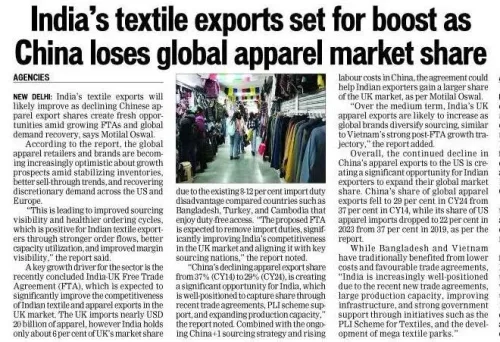
PM Modi amplified Union Textiles Minister Giriraj Singh's case that sustainability and growth are no longer in tension for India's textile sector. With the industry already growing from ₹6 lakh crore to ₹16 lakh crore since 2014 and a $350 billion target set for 2030, the government is pitching green manufacturing not as a burden but as India's next competitive edge in global markets.
Key Takeaways
PM Modi on 19 September 2026 shared an article by Union Textiles Minister Giriraj Singh on X , emphasising sustainability as central to India's textile future.
India's domestic textile market has grown from approximately ₹6 lakh crore in 2014-15 to over ₹16 lakh crore .
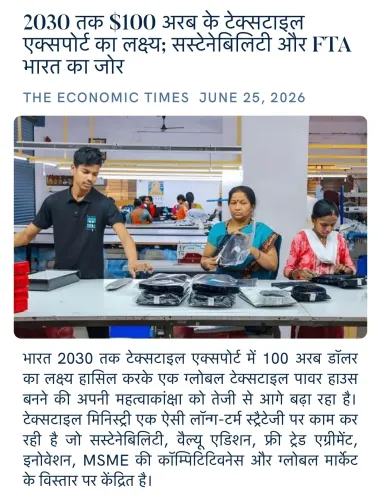
India targets a $350 billion textile and apparel industry by 2030 , with sustainability now at the core of its competitiveness strategy.
The sector employs more than 5.3 crore people directly and is projected to add nearly 2 crore more jobs in the next three years.
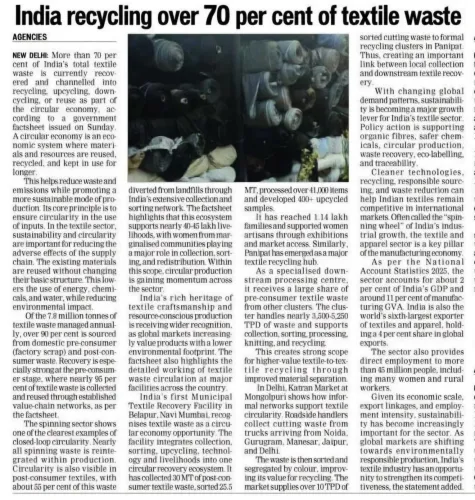
Key focus areas include textile recycling, waste recovery, cleaner technologies, and responsible manufacturing across fibre, yarn, fabric, apparel, and technical textiles.
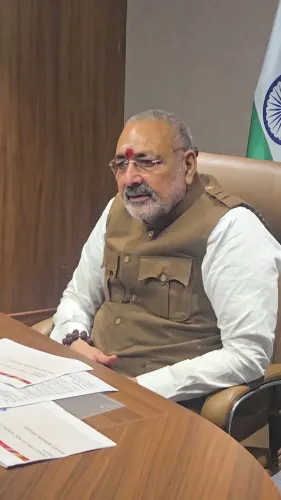
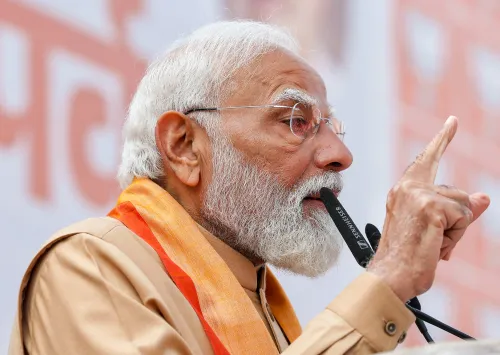
Prime Minister Narendra Modi on Saturday, 19 September 2026, said that sustainability has long been integral to India's ethos and is now actively shaping the future of the country's textile sector. Modi shared an article on X written by Union Textiles Minister Giriraj Singh, spotlighting how initiatives around textile recycling, cleaner production, and green technologies are helping build a more circular and competitive industry.
What PM Modi and the Textiles Minister Said
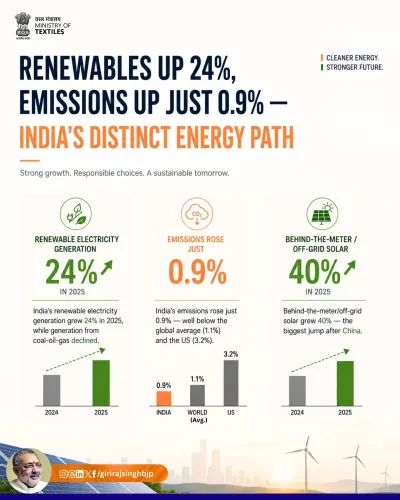
Sharing the article, Modi highlighted that Giriraj Singh underlines 'how initiatives around textile recycling, cleaner production and green technologies are helping build a more circular and competitive textile industry.' Singh, in his article, argued that recycling, waste recovery, cleaner technologies, responsible manufacturing, and stronger market opportunities are collectively repositioning India's textile industry for both global competitiveness and environmental resilience.
Singh further noted that when Prime Minister Modi said, 'The world is adopting the vision of Fashion for Environment and Empowerment, and India can lead the way in this regard,' it pointed to a transformation already visible across India's textile landscape. Singh wrote that under Modi's leadership, 'the government is committed to ensuring that India does not have to choose between growth and sustainability, but that both move forward hand in hand.'
Scale of the Sector and Growth Targets
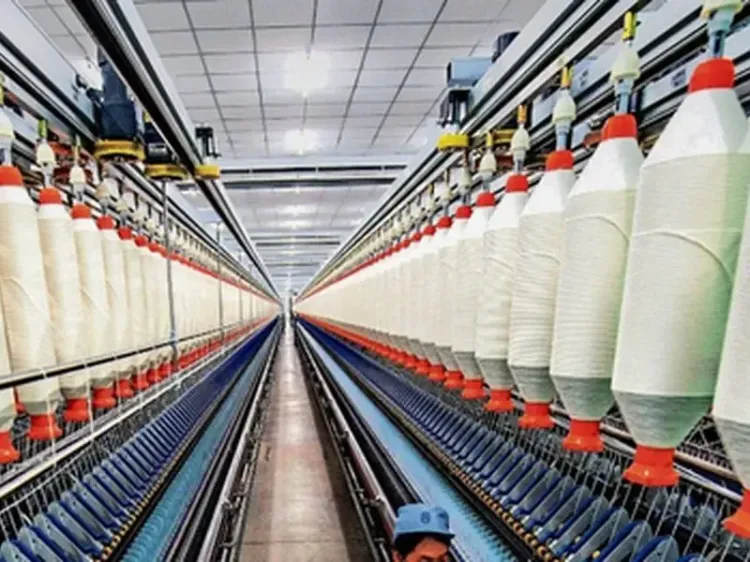
The domestic textile market has expanded significantly — from approximately ₹6 lakh crore in 2014-15 to over ₹16 lakh crore — reflecting robust sectoral expansion and a growing contribution to the national economy. The sector spans fibre, yarn, fabric, processing, apparel, technical textiles, and made-ups.
As India targets a $350 billion textile and apparel industry by 2030, sustainability is, according to Singh, 'shifting from the margins to the centre of its competitiveness strategy.' For a sector of this breadth, sustainability is increasingly a question of market access and long-term resilience, not just environmental responsibility.
Employment and Jobs Outlook
The textile and apparel sector currently provides direct employment to more than 5.3 crore people, making it one of India's largest job-generating industries after agriculture. The sector is expected to generate nearly 2 crore additional jobs over the next three years, adding weight to the government's argument that green and competitive goals can be pursued simultaneously.
Why This Matters
This comes amid growing global pressure on textile exporters to meet tighter environmental standards — particularly from the European Union, which has introduced mandatory sustainability disclosures for apparel imports. India's move to front-load sustainability messaging at the political level signals that the government views green compliance not as a cost, but as a market-access imperative. Notably, the textile sector's nearly threefold market growth since 2014 gives the industry a stronger base from which to absorb the transition costs of cleaner production.
Point of View
Modi is positioning sustainability as an organic part of India's textile identity rather than a regulatory imposition — a softer but politically effective way to build export compliance narratives ahead of EU green trade rules. The growth numbers are real, but the harder question is whether India's textile MSMEs, which dominate employment, can absorb the capital cost of cleaner technologies without targeted credit support. A sector that employs 5.3 crore people cannot pivot green on rhetoric alone — the fiscal architecture to enable small manufacturers must match the ambition of the headline targets.
NationPress
19 Sept 2026
Frequently Asked Questions
What did PM Modi say about India's textile sector and sustainability?
PM Modi said on 19 September 2026 that sustainability has long been integral to India's ethos and is now actively shaping the future of the country's textile sector. He shared an article by Union Textiles Minister Giriraj Singh highlighting how textile recycling, cleaner production, and green technologies are helping build a more circular and competitive industry.
What is India's textile industry target for 2030?
India is targeting a $350 billion textile and apparel industry by 2030. The government views sustainability as central to achieving this target, with green manufacturing increasingly seen as a market-access requirement rather than an optional add-on.
How many jobs does India's textile sector currently support?
The textile and apparel sector currently provides direct employment to more than 5.3 crore people in India. It is expected to generate nearly 2 crore additional jobs over the next three years.
How much has India's domestic textile market grown since 2014?
India's domestic textile market grew from approximately ₹6 lakh crore in 2014-15 to over ₹16 lakh crore, reflecting nearly threefold expansion over roughly a decade.
What sustainability initiatives is India's textile sector focusing on?
According to Textiles Minister Giriraj Singh's article, key areas include textile recycling, waste recovery, cleaner production technologies, responsible manufacturing practices, and developing stronger market opportunities for sustainably produced goods. The aim is to make India's textile industry both greener and more globally competitive.