US-Iran deal may not end fuel price pain for months, experts warn
Synopsis
A potential US-Iran deal to reopen the Strait of Hormuz may ease geopolitical tensions, but energy analyst Bob McNally of Rapidan Energy Group warns that over a billion barrels of oil have been lost from global markets — and depleted inventories could keep fuel prices elevated through September, regardless of any agreement. Trump's 'come down like a rock' optimism is running into a structural supply crunch.
Key Takeaways
A potential US-Iran memorandum of understanding could reopen the Strait of Hormuz , a critical global shipping lane.
The conflict has pushed US inflation to its highest level in three years , hitting fuel, groceries, and air travel.
A Michigan trucking firm’s weekly diesel spend surged from $70,000 to $100,000–$110,000 since the conflict began.
Energy analyst Bob McNally of Rapidan Energy Group says over a billion barrels of oil have been lost from global markets.
Analysts warn of continued upward price pressure through July, August, and possibly September due to depleted inventories.
President Trump has predicted prices will fall rapidly post-conflict, but analysts caution the relief may not be swift.
Even if the United States and Iran finalise a deal to reopen the Strait of Hormuz and bring an end to the conflict that has shaken global energy markets, American consumers and businesses could face elevated fuel prices for months to come, according to energy analysts and business owners. The warning comes as Washington and Tehran inch toward a potential memorandum of understanding that could restore operations on one of the world's most critical shipping corridors.
The Human Cost of Higher Fuel Prices
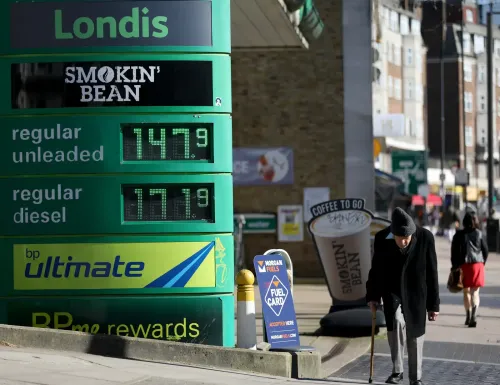
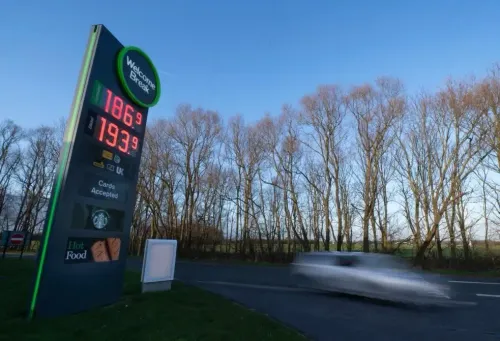
Consumers across the United States are already feeling the strain. The conflict has pushed inflation to its highest level in three years, with rising costs rippling through fuel, groceries, and air travel. Nyah Phillips, a resident of Michigan, described the pressure bluntly: 'It is really hard to keep up. I planned my gas budget money for one price and now — now it’s double that.' She added that wages have not kept pace with the surge: 'The prices are going up, but our wages are not reflecting and covering that gap of prices going up. So it is like a constant game of catch-up.'
Business Owners Bear the Brunt
James Burg, chief executive of a Michigan trucking company operating more than 100 trucks, said diesel costs have surged sharply since the conflict began. 'Our spend has gone from about $70,000 a week to about $100,000 to $110,000 a week,' Burg said. 'There’s no question. We’re losing more margin now. With higher costs of diesel.' The experience mirrors that of logistics operators nationwide, for whom fuel is one of the largest variable costs.
What Energy Analysts Are Saying
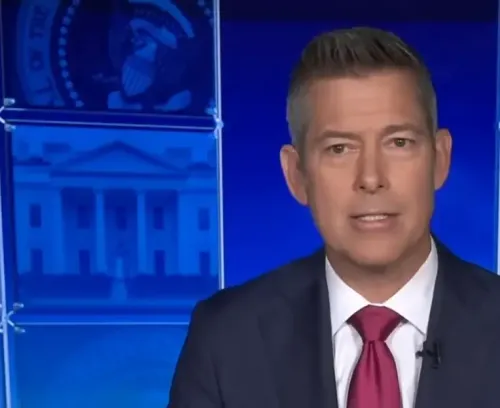
Bob McNally, founder and president of Rapidan Energy Group, acknowledged that some oil has already begun moving through alternative routes, offering partial relief to markets. 'The good news in recent days and weeks is we’ve seen public reports that the Trump administration has been able to free up some of that trapped oil,' McNally said. However, he cautioned that the global oil market has absorbed a historic shock. 'We’ve lost well over a billion barrels of oil in the world market,' he said. Even with a Hormuz reopening, McNally warned that depleted inventories and exhausted emergency buffers could sustain upward price pressure through the summer. 'Many analysts, us included, think there could be upward pressure on prices in July, in August, and maybe in September,' he said.
Trump’s Optimism vs Market Reality
President Donald Trump has repeatedly argued that prices will fall rapidly once the conflict concludes. 'It’s going to come down like a rock,' Trump said while discussing inflation and energy prices. Analysts, however, are less sanguine. McNally warned that if negotiations collapse and shipping disruptions persist, the consequences could be severe: 'I’m very concerned we could see oil prices skyrocket later this summer,' he said, adding that gasoline prices could return to record levels. This comes amid a broader pattern in which geopolitical supply shocks have historically taken quarters — not weeks — to fully unwind at the consumer level.
What Happens Next
The outcome of US-Iran negotiations will be closely watched by energy markets, logistics firms, and policymakers alike. A durable deal that restores full Strait of Hormuz traffic could begin easing wholesale prices, but analysts caution that the pass-through to retail fuel costs is rarely immediate. With global inventories already drawn down and summer demand peaking, the window for a rapid price correction appears narrow.
Point of View
Not inventory deficits — and markets know the difference. With summer demand peaking and emergency buffers drawn down, a Hormuz reopening would be a floor, not a ceiling, for price relief. The consumer squeeze — wages flat, diesel and grocery bills soaring — is already a political liability, and a slow price recovery heading into autumn could deepen it. Mainstream coverage is focused on the diplomacy; the harder question is whether global supply chains can rebuild fast enough to prevent a second-wave price spike if negotiations stall.
NationPress
25 Sept 2026
Frequently Asked Questions
Will a US-Iran deal immediately lower fuel prices in the US?
Not necessarily. Even if a deal to reopen the Strait of Hormuz is finalised, energy analysts warn that fuel prices could remain elevated through July, August, and possibly September due to depleted global oil inventories and exhausted emergency market buffers. The relief at the pump is unlikely to be immediate.
How much has the US-Iran conflict raised fuel and inflation costs?
The conflict has pushed US inflation to its highest level in three years, with rising costs affecting fuel, groceries, and air travel. A Michigan trucking company reported its weekly diesel bill surging from $70,000 to between $100,000 and $110,000.
What is the Strait of Hormuz and why does it matter for oil prices?
The Strait of Hormuz is one of the world’s most critical shipping lanes for oil exports. Its disruption has removed well over a billion barrels of oil from the global market, according to energy analyst Bob McNally of Rapidan Energy Group, causing widespread supply shocks.
What has President Trump said about fuel prices after the conflict?
President Trump has repeatedly argued that prices will fall rapidly once the conflict ends, saying ‘It’s going to come down like a rock.’ However, energy analysts caution that structural supply deficits and low inventories could delay any meaningful price relief.
What happens if US-Iran negotiations collapse?
If negotiations fail and shipping disruptions through the Strait of Hormuz persist, analyst Bob McNally of Rapidan Energy Group has warned that crude oil prices could skyrocket later in the summer, potentially pushing gasoline prices back to record levels.