Crude oil prices drop 5% as US-Iran deal reopens Strait of Hormuz
Synopsis
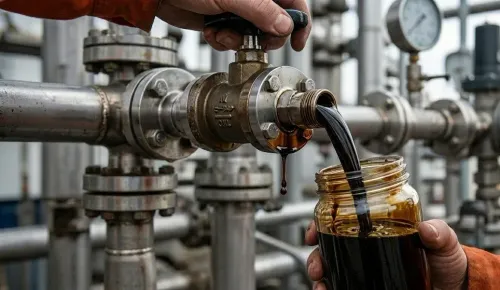
A US-Iran agreement to reopen the Strait of Hormuz — the chokepoint for one-fifth of global crude supply — sent Brent crude tumbling nearly 5% to $83.05 a barrel on Monday. The deal, confirmed by President Trump on Truth Social, could reshape global energy costs and ease inflation pressures across import-dependent economies like India.
Key Takeaways
Global crude oil prices fell nearly 5 per cent on 15 June following a US-Iran agreement to reopen the Strait of Hormuz .
Brent crude dropped 4.90 per cent to $83.05 per barrel ; WTI fell 5.74 per cent to around $80 per barrel .
US President Donald Trump announced the deal on Truth Social , declaring the 'toll-free opening' of the Strait and removal of the US naval blockade.
A formal memorandum of understanding is expected to be signed in Switzerland on Friday .
Major Asian indices — including Nikkei , Hang Seng , KOSPI , and Jakarta Composite — surged, some by more than 5 per cent .
India's Sensex and Nifty opened more than 1 per cent higher in early trade.
Global crude oil prices tumbled by nearly 5 per cent on Monday, 15 June after the United States and Iran reached a landmark agreement and announced the reopening of the Strait of Hormuz, easing fears over potential disruptions to global energy supplies. The development sent shockwaves through commodity markets and lifted equities worldwide.
Oil Prices in Freefall
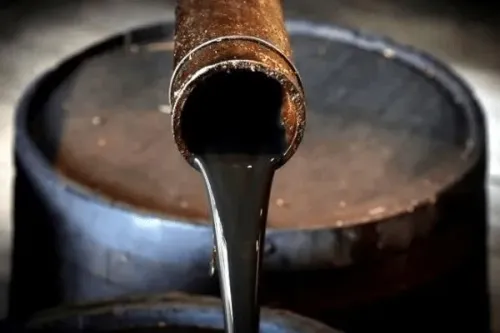
The international benchmark Brent crude fell as much as 4.90 per cent to $83.05 per barrel in early trade, while US West Texas Intermediate (WTI) crude dropped a sharper 5.74 per cent to around $80 per barrel. Market experts noted that Brent's decline toward the $83-per-barrel mark is expected to ease inflation concerns and provide additional support to global market sentiment.
What Trump Announced
US President Donald Trump confirmed the deal via his Truth Social platform, writing: 'The Deal with the Islamic Republic of Iran is now complete.' He simultaneously declared the reopening of the Strait of Hormuz, a critical maritime chokepoint through which roughly one-fifth of the world's crude oil supply passes. 'I hereby fully authorise the toll-free opening of the Strait of Hormuz and, simultaneously, the immediate removal of the United States naval blockade. Ships of the World, start your engines. Let the oil flow!' Trump wrote. According to reports, the two countries are expected to formalise the agreement with a memorandum of understanding to be signed in Switzerland on Friday.
Global Markets React
The breakthrough lifted risk appetite across global equity markets. Major Asian indices surged at the start of the week, with Japan's Nikkei, Hong Kong's Hang Seng, South Korea's KOSPI, and Indonesia's Jakarta Composite all trading higher — some gaining more than 5 per cent. US futures also traded firmly in positive territory. This comes amid months of heightened geopolitical tension in the Middle East that had kept a persistent risk premium embedded in oil prices.
Impact on Indian Markets
Back home, domestic equity benchmarks Sensex and Nifty opened strongly on Monday, with both indices rising more than 1 per cent in early trade. For India, which imports roughly 85 per cent of its crude requirements, a sustained decline in oil prices would translate into lower import bills, eased inflationary pressure, and improved fiscal headroom. The development is being closely watched by the Reserve Bank of India (RBI) and policymakers, given the outsized role energy costs play in domestic inflation dynamics.
What Comes Next
The signing of a formal memorandum of understanding in Switzerland later this week will be the critical next step in cementing the agreement. Analysts caution that oil markets may see continued volatility until the deal is officially ratified, and any breakdown in negotiations could swiftly reverse Monday's price declines. For now, the prospect of unimpeded flow through the Strait of Hormuz marks a significant de-escalation in one of the world's most closely watched geopolitical flashpoints.
Point of View
And any agreement that removes the threat of its closure is structurally bullish for the global economy — even if the diplomatic durability of a US-Iran deal remains an open question. For India, the arithmetic is straightforward: cheaper crude means a lower import bill, softer retail fuel prices, and more room for the RBI on rates. What markets are not yet pricing in is the risk of a breakdown before Friday's MOU signing — Trump-era deals have a history of being announced before the details are settled. The oil price move is real; whether the geopolitical settlement is durable is a separate, harder question.
NationPress
27 Sept 2026
Frequently Asked Questions
Why did crude oil prices fall on 15 June 2025?
Crude oil prices fell nearly 5 per cent on 15 June after the United States and Iran reached an agreement to reopen the Strait of Hormuz, easing fears of supply disruptions. Brent crude dropped to $83.05 per barrel and WTI fell to around $80 per barrel as a result.
What is the Strait of Hormuz and why does it matter?
The Strait of Hormuz is a narrow maritime chokepoint between Iran and Oman through which roughly one-fifth of the world's crude oil supply passes. Any threat to its navigation directly impacts global oil supply and prices, making it one of the most strategically sensitive waterways in the world.
What exactly did President Trump announce?
US President Donald Trump announced on Truth Social that a deal with Iran had been completed, declaring the 'toll-free opening' of the Strait of Hormuz and the immediate removal of the US naval blockade. A formal memorandum of understanding is expected to be signed in Switzerland on Friday.
How did Indian markets respond to the US-Iran deal?
India's Sensex and Nifty both opened more than 1 per cent higher in early trade on Monday following the announcement. A sustained drop in oil prices is expected to benefit India significantly, as the country imports roughly 85 per cent of its crude requirements.
What happens next in the US-Iran agreement?
The United States and Iran are expected to sign a memorandum of understanding in Switzerland on Friday to formalise the deal. Markets will closely watch the signing, as any breakdown in negotiations before then could reverse the sharp decline in oil prices.