Jaishankar at UNGA warns Global South faces '4F crisis' of food, fuel, fertiliser, finance
Synopsis
At the UN General Assembly, Jaishankar coined a stark diagnostic — the '4F crisis' — to describe the simultaneous food, fuel, fertiliser, and finance squeeze battering the Global South. With 600 Indian projects across 78 countries as his evidence, he made the case that New Delhi's development model is not just a domestic story but a replicable blueprint for the world's most vulnerable nations.
Key Takeaways
External Affairs Minister S.
Jaishankar addressed the UN General Assembly on 27 September , warning of a '4F crisis' in food, fuel, fertiliser, and finance facing the Global South.
He cited a super El Niño , worsening fertiliser shortages, grain movement restrictions, and AI misuse as compounding the crisis.
Progress on the UN Sustainable Development Goals is under strain, with non-market practices limiting developing nations' ability to industrialise.
India has 600 major development projects in 78 countries covering infrastructure, agriculture, IT, and training as part of its Global South outreach.
He highlighted the International Solar Alliance , Coalition for Disaster Resilient Infrastructure , and Global Biofuels Alliance as active multilateral initiatives.
India's early response to flash floods in Nepal and an earthquake in Venezuela was cited as evidence of its humanitarian commitments.
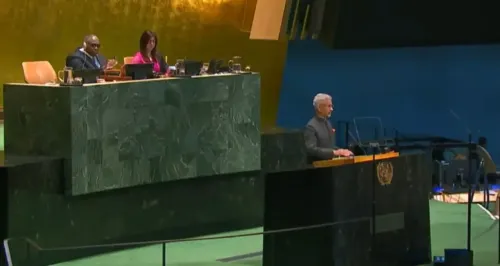
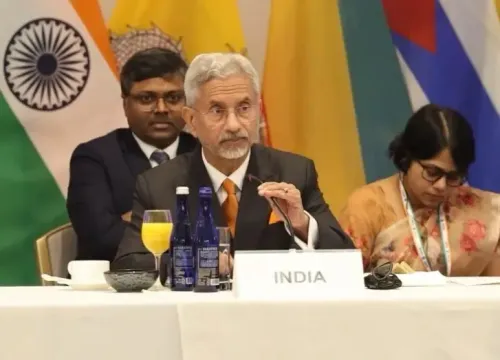
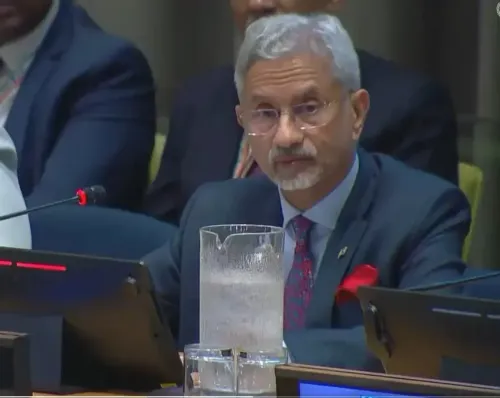
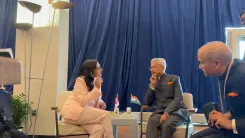
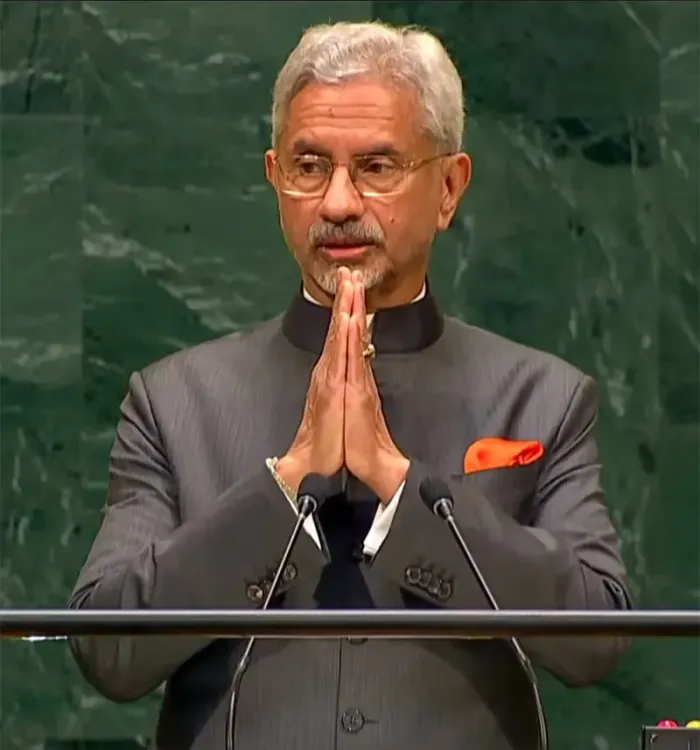
External Affairs Minister S. Jaishankar on Saturday, 27 September warned the United Nations General Assembly that the Global South is confronting an acute '4F crisis' — a simultaneous squeeze on food, fuel, fertiliser, and finance security — that is threatening to reverse hard-won development gains. Speaking in New York, he called the predicament of developing nations 'particularly acute' as shortages and trade barriers compound existing vulnerabilities.
The 4F Crisis Defined
'The predicament of the Global South is particularly acute,' Jaishankar said. 'It faces a 4F crisis of the security of food, fuel, fertiliser, and finance.' He cited a super El Niño, worsening fertiliser shortages, and obstacles to grain movements as immediate causes for alarm. Progress on the UN Sustainable Development Goals (SDGs) — covering poverty, health, education, and clean energy — was also under strain, he warned.
Non-market practices and restricted market access, he argued, were making it increasingly difficult for developing nations to industrialise on their own terms. Technology, once viewed as a vehicle of opportunity, was now generating fresh anxiety: he said the misuse of artificial intelligence was sharpening bias and eroding mutual respect between nations.
Eroding Trust and Supply Chain Fragmentation
The minister linked these sectoral pressures to a broader deterioration of inter-state trust. Countries were, he said, actively working to reduce exposure to risk and diversify economic partnerships as intensifying geopolitical competition disrupted global supply chains and access to critical technology. This comes amid a period of heightened volatility in commodity markets and escalating economic nationalism across major trading blocs.
India's Development Record as a Global Template
Jaishankar presented India's domestic progress as evidence that large-scale public delivery is achievable. Improvements in healthcare, nutrition, education, drinking water, electricity, roads, and housing had, he said, 'improved the prospects of one-sixth of humanity.' India's digital public infrastructure — encompassing platforms for direct benefit transfers and identity verification — had helped translate those investments into measurable social and economic outcomes.
'Even as India progresses, we are conscious of our global responsibilities,' he said. 'We know that many of our experiences and achievements are replicable elsewhere.' He pointed to 600 major Indian development projects across 78 countries, spanning infrastructure, manufacturing, agriculture, information technology, and vocational training.
India's Outreach: Climate, Disaster Relief, and Multilateral Alliances
On climate action, Jaishankar cited the International Solar Alliance, the Coalition for Disaster Resilient Infrastructure, and the Global Biofuels Alliance as multilateral initiatives gaining traction. African nations and small island developing states had been prioritised as partners in clean energy, sustainable agriculture, and technology-sharing programmes.
He also highlighted India's humanitarian footprint, noting that the country had supplied medical materials to conflict zones and disaster-affected areas. India responded early to flash floods in Nepal and an earthquake in Venezuela, he said, and had helped address shortages of food, medicine, energy, and fertiliser in partner nations across the Global South.
The Larger Demand: A Greater Voice for Developing Nations
India has consistently used multilateral forums, including the UN, to push for greater representation for developing countries in decisions on international finance, technology governance, and development architecture. Jaishankar's speech at the UNGA wove that long-standing demand into the immediate, practical pressures he described — making the case that structural reform of global institutions is not an abstract goal but an urgent necessity for the world's most vulnerable economies. With the international climate becoming 'less predictable' by his own assessment, the pressure on the Global South to meet its development targets is only set to intensify.
Point of View
From finance to technology governance. What mainstream coverage may miss is how this speech ties India's domestic welfare narrative directly to its foreign policy ambitions: the argument is that India has earned the right to lead the Global South because it has governed at scale for 1.4 billion people. The harder question is whether India's 600 projects across 78 countries translate into durable influence or remain episodic goodwill. Multilateral ambition without binding institutional reform — of the IMF, World Bank, or WTO — risks leaving developing nations exactly where Jaishankar says they are.
NationPress
27 Sept 2026
Frequently Asked Questions
What is the '4F crisis' that Jaishankar warned about at the UNGA?
The '4F crisis' refers to the simultaneous threats to food, fuel, fertiliser, and finance security facing the Global South, as described by External Affairs Minister S. Jaishankar at the UN General Assembly on 27 September 2026. He cited a super El Niño, fertiliser shortages, and obstacles to grain movement as key drivers of the crisis.
What did Jaishankar say about India's role in supporting the Global South?
Jaishankar pointed to 600 major Indian development projects across 78 countries covering infrastructure, manufacturing, agriculture, IT, and training. He also cited India's humanitarian responses — including relief after flash floods in Nepal and an earthquake in Venezuela — as evidence of the country's commitment to Global South solidarity.
Why did Jaishankar raise concerns about artificial intelligence at the UNGA?
Jaishankar said the misuse of artificial intelligence was sharpening bias and weakening mutual respect between nations, adding a new layer of anxiety to a technology that was once seen as a source of hope for development. He framed AI misuse as one of several forces eroding trust in the international system.
Which multilateral initiatives did Jaishankar highlight in his UNGA speech?
He specifically named the International Solar Alliance, the Coalition for Disaster Resilient Infrastructure, and the Global Biofuels Alliance as multilateral efforts making measurable progress. African nations and small island developing states were cited as priority partners in these initiatives.
How does Jaishankar's speech connect to India's broader foreign policy goals?
India has consistently sought a greater voice for developing nations in international finance, technology, and development decisions. Jaishankar's UNGA address linked that demand to the immediate development pressures he described, arguing that structural reform of global institutions is an urgent practical necessity, not merely an aspirational goal.