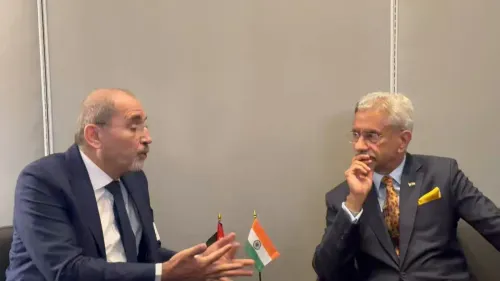
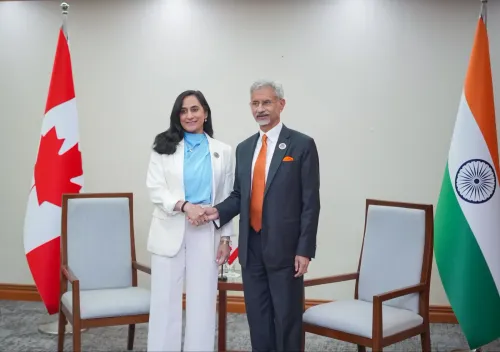
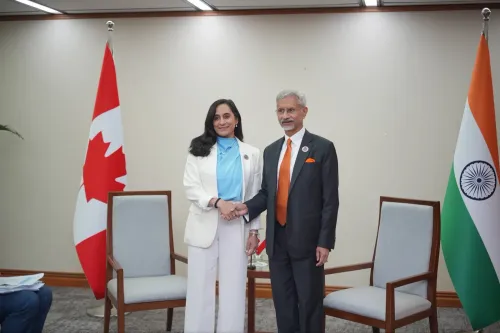
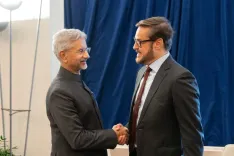
Jaishankar meets Canada FM Anita Anand at UNGA81
Synopsis
EAM Dr. S. Jaishankar met Canadian FM Anita Anand on the sidelines of UNGA81 in New York, calling the discussion productive and signalling intent to elevate India-Canada ties amid a historically complex bilateral relationship.
Key Takeaways
Jaishankar met Canadian Foreign Minister Anita Anand on the sidelines of UNGA81 in New York .
Jaishankar described the meeting as 'productive' and said both sides are preparing to take the relationship 'to a higher level.' India and Canada have maintained diplomatic ties since 1947 , with a large Indian diaspora forming a key pillar of the relationship.
Negotiations toward a Comprehensive Economic Partnership Agreement (CEPA) between the two countries date back to 2010 and remain an active, if slow-moving, agenda item.
UNGA sidelines are routinely used to sustain bilateral channels, particularly when scheduling standalone visits is difficult.
Any follow-up on trade talks or a high-level visit in the coming months will be the clearest indicator of how much ground was covered in New York.
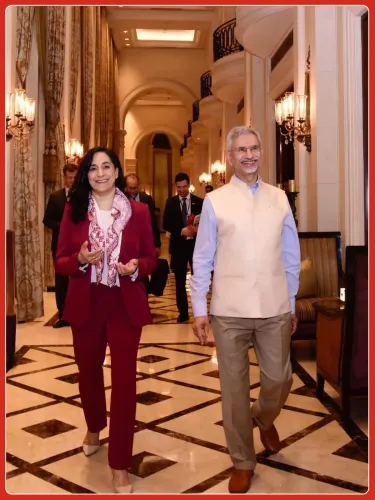
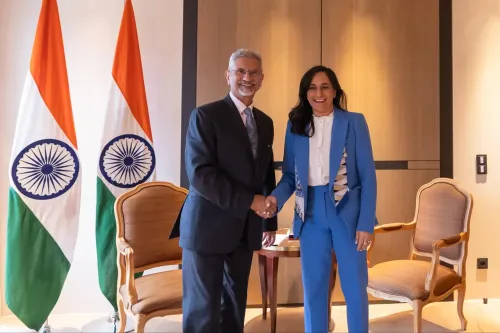
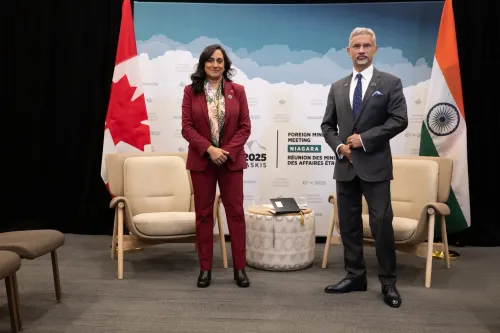
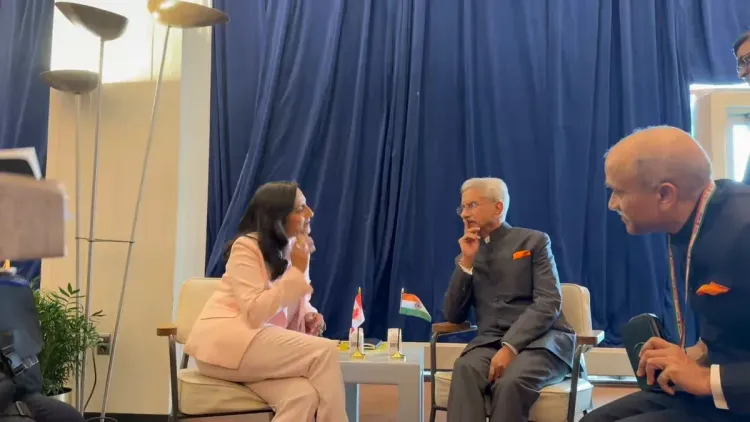
On the sidelines of the 81st United Nations General Assembly in New York, Union External Affairs Minister Dr. S. Jaishankar sat down with Canadian Foreign Minister Anita Anand — a meeting both sides are framing as a step toward taking the relationship to 'a higher level.'
A candid signal from New York's sidelines
Jaishankar described the meeting as 'always a pleasure' and 'a productive discussion,' language that is warm but deliberate. UNGA's annual gathering in New York has long served as a compact diplomatic marketplace — a place where bilateral conversations that might take months to schedule at home happen in a corridor or a conference room over forty-five minutes. This one carries weight because India-Canada ties have weathered notable turbulence in recent years, making any forward-leaning signal from both foreign ministers noteworthy.
A relationship with deep roots and periodic strains
India and Canada have maintained diplomatic relations since 1947, underpinned by one of the largest Indian diaspora communities anywhere in the world. The economic architecture of the relationship has long been a work in progress: negotiations toward a Comprehensive Economic Partnership Agreement (CEPA) began as far back as 2010 and have moved in fits and starts across successive governments in both capitals. Trade, education, and people-to-people links form the durable connective tissue even when the political weather turns cool.
Security-related strains have periodically tested the relationship, making ministerial-level engagement at forums like UNGA all the more significant as a channel-maintenance exercise. The phrase 'prepare to take the relationship to a higher level' is calibrated diplomat-speak — it signals intent without committing to specifics, and it keeps the door open for follow-up on trade talks or high-level visits in the months after the General Assembly wraps up.
What the Anand meeting means for the bilateral calendar
Anita Anand, a seasoned Canadian cabinet minister, brings her own political weight to the table. The meeting's characterisation as 'productive' — a word ministers reserve for encounters where something substantive was exchanged — suggests that the two sides are actively preparing an agenda rather than merely maintaining pleasantries. Watchers of the bilateral should keep an eye on any announcements regarding a resumption of CEPA negotiations or the scheduling of a higher-level visit once both ministers are back in their respective capitals.
For India's large Canadian diaspora and the thousands of Indian students who make Canada one of their top destinations, the diplomatic temperature between New Delhi and Ottawa is never an abstraction. A warmer bilateral register translates, in time, into smoother consular services, more predictable mobility pathways, and a sturdier economic partnership. The conversation in New York, brief as it may have been, just raised that temperature a notch.
Point of View
Managing Canada well is also about managing the diaspora's political voice and keeping the CEPA track credible. The real test will be whether this UNGA conversation translates into concrete steps — a resumption of trade talks or a confirmed bilateral summit — before the diplomatic calendar moves on.
NationPress
27 Sept 2026
Frequently Asked Questions
Why did Jaishankar meet Canada's FM at UNGA81?
EAM Dr. S. Jaishankar met Canadian Foreign Minister Anita Anand on the sidelines of the 81st UN General Assembly in New York to hold bilateral talks aimed at advancing India-Canada relations. Jaishankar called it a productive discussion as both sides prepare to elevate the relationship.
What is the current state of India-Canada relations?
India and Canada have diplomatic ties dating to 1947 and share strong diaspora, trade, and education links. The relationship has periodically faced strains over security issues, making ministerial-level engagement at forums like UNGA important for keeping channels open.
What is the India-Canada CEPA?
The Comprehensive Economic Partnership Agreement (CEPA) is a broad trade deal that India and Canada began negotiating in 2010 . Talks have progressed slowly across multiple governments, and a resumption or conclusion of negotiations remains a key item on the bilateral agenda.
What should we watch for after the Jaishankar-Anand UNGA meeting?
The clearest signals to watch are any announcements on resuming India-Canada CEPA negotiations, the scheduling of a high-level bilateral visit between New Delhi and Ottawa , or concrete steps on consular and mobility issues affecting the Indian diaspora in Canada.