Jaishankar meets Venezuela FM at UNGA, energy ties gain momentum
Synopsis
EAM Dr. S. Jaishankar met Venezuelan FM Félix Plasencia González on the sidelines of UNGA in New York, signalling growing India-Venezuela energy ties and discussing bilateral cooperation and regional issues.
Key Takeaways
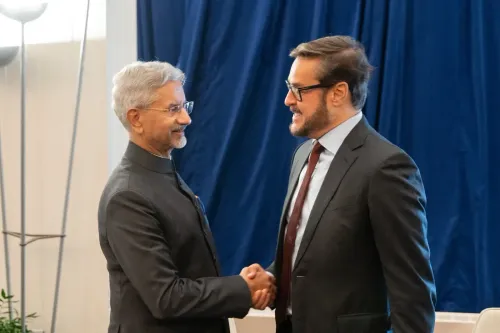
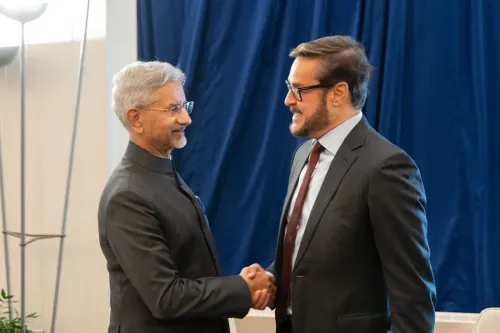
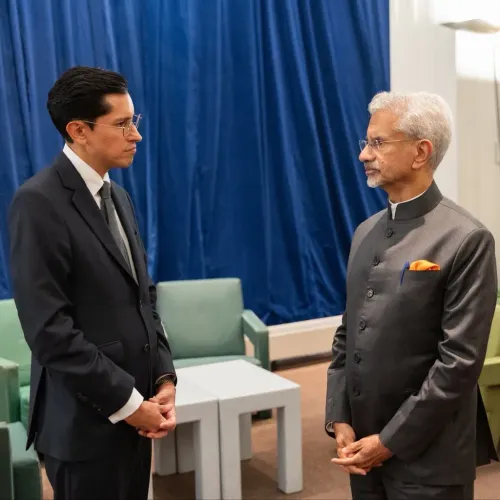
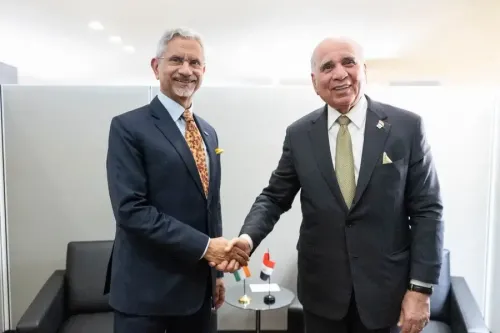
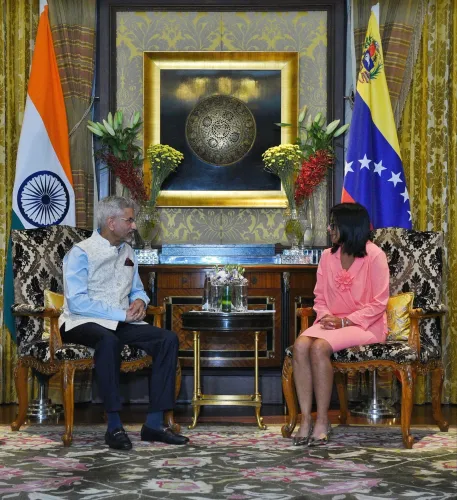
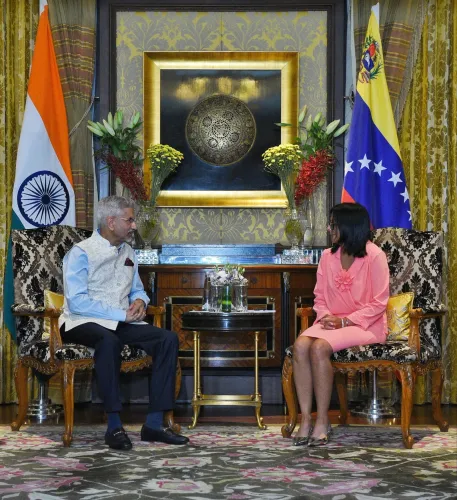
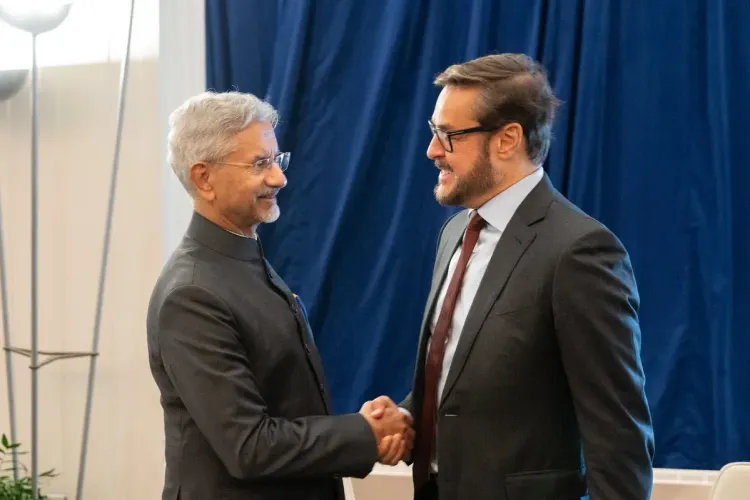
Jaishankar met Venezuelan FM Félix Plasencia González at UN Headquarters, New York on September 27, 2026 , on the sidelines of UNGA.
Jaishankar said India-Venezuela 'energy ties are gaining momentum,' alongside other bilateral cooperation areas.
Venezuela holds the world's largest proven oil reserves and has maintained diplomatic ties with India since 1959 .
ONGC Videsh has held stakes in Venezuelan oil fields, including San Cristóbal , since around 2008 .
The two ministers also exchanged views on current Latin American regional issues .
India's broader strategy of diversifying crude oil sources makes Venezuela a key node in its energy security calculus.
On the sidelines of the UN General Assembly (UNGA) in New York, Union External Affairs Minister Dr. S. Jaishankar held a bilateral meeting with Venezuelan Foreign Minister Félix Plasencia González on Sunday, September 27, 2026 — a quiet but telling signal that India is actively tending its energy relationships in Latin America even amid a packed multilateral schedule.
Jaishankar described the talks as 'a good meeting,' noting on X that 'our energy ties are gaining momentum, besides other areas of bilateral cooperation.' The two ministers also exchanged views on current regional issues, covering the wider political landscape of Latin America.
Why Venezuela's oil still matters to India
Venezuela holds the world's largest proven oil reserves — a geological fact that has anchored India's strategic interest in the country for decades. ONGC Videsh, India's state-owned overseas exploration arm, acquired stakes in Venezuelan oil fields including San Cristóbal around 2008, laying the foundation for what Jaishankar now describes as 'gaining momentum.' That upstream presence makes the bilateral relationship far more than ceremonial courtesy.
India has long pursued diversified crude import sources across the Gulf, Africa, and Latin America to reduce dependence on any single supplier. Venezuela, despite the volatility its domestic energy sector has faced, remains a strategically attractive node in that diversification calculus.
UNGA margins: where real bilateral work gets done
The margins of the UN General Assembly at UN Headquarters, New York, have become one of the most productive venues for Indian diplomacy each September. In a single week, an External Affairs Minister can log a dozen or more bilateral meetings that would otherwise require separate state visits. The Jaishankar-Plasencia meeting fits squarely in that pattern — bilateral economic cooperation packaged with a frank exchange on regional political developments.
India and Venezuela have maintained diplomatic relations since 1959. The current engagement signals that New Delhi is keeping those channels warm and looking for concrete progress on energy contracts and joint ventures in the period ahead.
Watch for follow-up on specific energy agreements or the next high-level interaction at a multilateral forum — the 'momentum' Jaishankar referenced will be measured in barrels and contracts, not just communiqués.
Point of View
Not merely symbolic. With ONGC Videsh already holding upstream stakes in Venezuela since 2008, Jaishankar's emphasis on 'momentum' in energy ties suggests New Delhi may be positioning for deeper engagement — possibly new contracts or offtake agreements — as India's crude import diversification strategy accelerates. UNGA margins have become a signature diplomatic tool for Indian foreign policy: maximum bilateral reach with minimum logistical cost. The Venezuela meeting, sandwiched between higher-profile engagements, quietly underscores that India's energy security architecture extends well beyond its traditional Gulf and Russian suppliers.
NationPress
27 Sept 2026
Frequently Asked Questions
What did Jaishankar discuss with Venezuela FM at UNGA 2026?
Jaishankar met Venezuelan FM Félix Plasencia González at UN Headquarters in New York and discussed growing India-Venezuela energy ties, broader bilateral cooperation, and current Latin American regional issues.
What is India's energy relationship with Venezuela?
India has deep energy ties with Venezuela, which holds the world's largest proven oil reserves. ONGC Videsh acquired stakes in Venezuelan oil fields including San Cristóbal around 2008, underpinning India's long-term energy interest in the country.
When did India and Venezuela establish diplomatic relations?
India and Venezuela have maintained diplomatic relations since 1959, making it one of India's longest-standing bilateral partnerships in Latin America.
Why does India import oil from Venezuela?
India pursues diversified crude oil imports from Latin America, the Gulf, and Africa to reduce dependence on any single supplier. Venezuela's vast proven reserves make it a strategically important source in India's energy security strategy.
What is UNGA and why do bilateral meetings happen there?
The UN General Assembly meets annually at UN Headquarters in New York, providing world leaders and foreign ministers a concentrated venue to hold multiple bilateral meetings alongside multilateral sessions — maximising diplomatic outreach in a single week.