CM Shivakumar at Tulu cultural meet: Karavali is a priority
Synopsis
Karnataka CM DK Shivakumar addressed a Tulu cultural gathering in Bengaluru on 27 September 2026, pledging sustained government focus on Karavali coastal welfare and tourism while vowing to ignore criticism and keep working for the people.
Key Takeaways
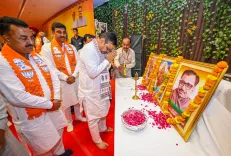
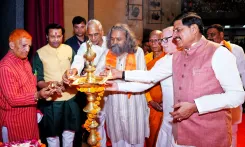
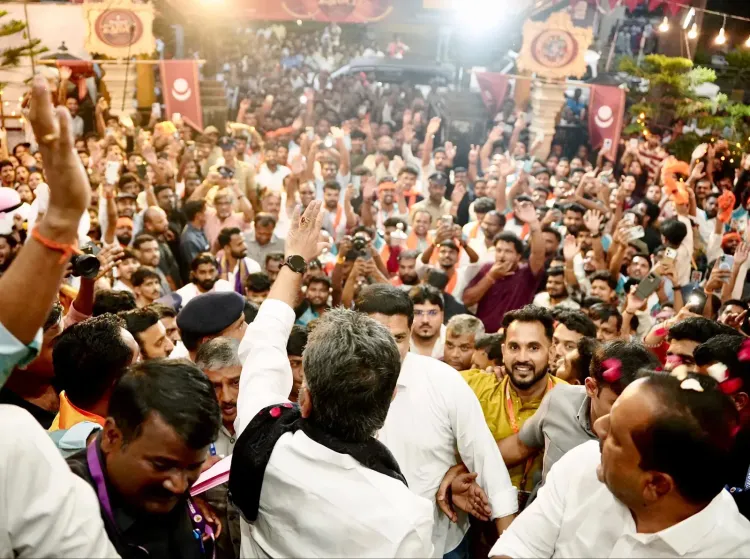
Karnataka CM DK Shivakumar attended the Astemida Isira programme organised by Tulu Nadu Javaneer Bengaluru (R.) at Bantara Bhavana, Vijayanagar, Bengaluru on 27 September 2026 .
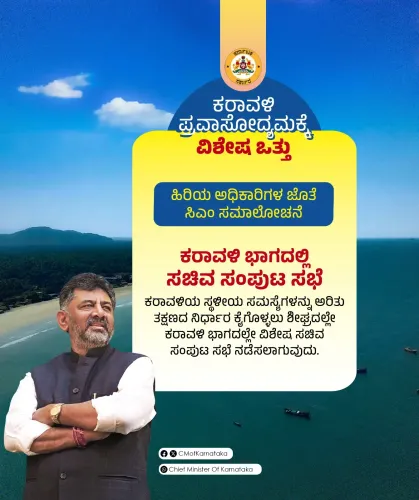
He declared 'special priority' for holistic welfare and tourism development of the Karavali coastal region.
Shivakumar used the phrase 'If Kannada is the mother tongue, Tulu is her daughter' to honour Tulu linguistic identity.
He quoted 'Criticisms die, works survive' , signalling the government would focus on development over political noise.
Ministers, MLAs, MPs, film actors, industrialists, and other dignitaries were present at the event.
No specific budget allocations or new projects were announced; the next state budget and tourism policy updates remain key moments to watch.
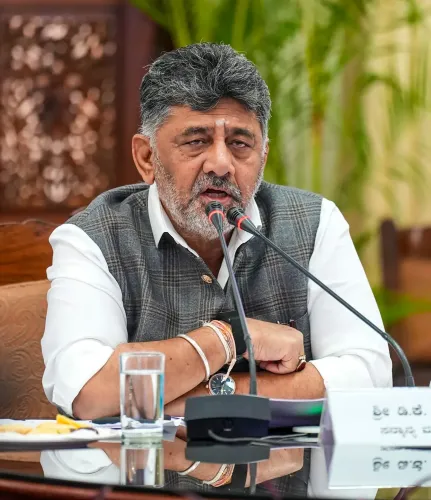
A single Kannada phrase framed the evening: 'ಕನ್ನಡ ಮಾತೃಭಾಷೆಯಾದರೆ, ತುಳು ಅವಳ ಮಗಳು' — 'If Kannada is the mother tongue, Tulu is her daughter.' On Sunday, 27 September 2026, Karnataka Chief Minister DK Shivakumar appeared at the Astemida Isira cultural programme organised by Tulu Nadu Javaneer Bengaluru (R.) at Bantara Bhavana, Vijayanagar, Bengaluru, pledging sustained government focus on the welfare and tourism development of the Karavali coastal region.
What Shivakumar pledged at Bantara Bhavana
Speaking before an audience that included ministers, legislators, Members of Parliament, film actors, industrialists, and elected representatives, the Chief Minister declared that his government would give 'special priority' to the holistic welfare of the coastal belt and the development of tourism in the region. The commitment was unambiguous: 'Our efforts for the development of Karavali will be continuous.'
He also reached for a rhetorical flourish that signalled defiance of political criticism — quoting a phrase that translates as: 'Criticisms die, works survive.' Shivakumar made clear the government intends to tune out detractors and channel its energy exclusively toward people-centric development work.
Tulu identity and Karnataka's linguistic balancing act
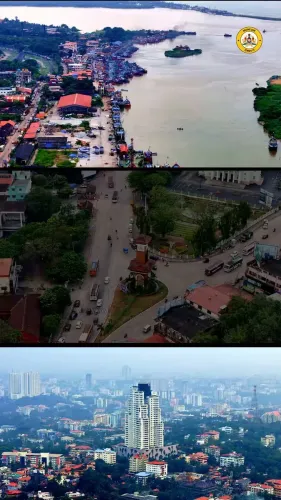
The Karavali belt — spanning Dakshina Kannada, Udupi, and Uttara Kannada districts — is home to a distinct Tulu-speaking community with its own folk traditions, theatre forms, and coastal economy. Cultural associations such as Tulu Nadu Javaneer have long served as a bridge between that community and the Bengaluru diaspora.
Karnataka governments have historically walked a careful line: championing Kannada as the state's linguistic identity while acknowledging the vitality of regional languages like Tulu. Attending a prominent Tulu cultural event and invoking the 'mother-daughter' metaphor is precisely the kind of symbolic gesture that reinforces that balance — and signals to coastal communities that their cultural capital is valued in the state capital.
Karavali's tourism potential and the development promise
The coastal stretch has featured in state development packages going back to the early 2000s, with successive administrations announcing tourism infrastructure and welfare outlays for the region. Shivakumar's remarks at the event continue that arc, though concrete allocations — new budget lines, specific projects — were not announced on the night. What to watch: whether the next state budget or a dedicated coastal tourism policy update translates Sunday's cultural diplomacy into rupee commitments.
For now, the image is deliberate and the message pointed — a Chief Minister, standing in a community hall named for a coastal caste group, telling a room full of Tulu speakers that their region is not an afterthought. That optic alone travels far.
Point of View
Works survive' line suggests the administration is already managing political headwinds, using cultural occasions to reframe the narrative around delivery. Whether the rhetoric converts to a concrete coastal budget allocation will be the real test of this pivot.
NationPress
27 Sept 2026
Frequently Asked Questions
What did CM DK Shivakumar say at the Tulu cultural event in Bengaluru?
CM Shivakumar pledged special government priority for the welfare and tourism development of the Karavali coastal region. He also quoted: 'If Kannada is the mother tongue, Tulu is her daughter,' celebrating Tulu linguistic identity, and said criticisms would be ignored in favour of development work.
Where was the Tulu Nadu Javaneer cultural event held?
The event, titled Astemida Isira , was held at Bantara Bhavana in the Vijayanagar area of Bengaluru, organised by Tulu Nadu Javaneer Bengaluru (R.).
What is the Karavali region in Karnataka?
Karavali refers to the coastal belt of Karnataka, covering the districts of Dakshina Kannada, Udupi, and Uttara Kannada — home to a large Tulu-speaking population with distinct culture and a growing tourism economy.
What is Tulu Nadu Javaneer Bengaluru?
Tulu Nadu Javaneer Bengaluru (R.) is a Bengaluru-based cultural organisation that works to preserve and promote Tulu language and culture among the coastal Karnataka diaspora living in the city.
Has the Karnataka government made specific coastal development announcements?
At the 27 September 2026 event, no specific budget allocations or new projects were announced. The government's next state budget and any coastal tourism policy update are the key occasions to watch for concrete commitments.