CM Nayab Saini flags off SEHAT EXPRESS health bus in Haryana
Synopsis
Chief Minister Nayab Saini flagged off the SEHAT EXPRESS mobile health bus in Haryana on 27 September 2026, aiming to bring government health services directly to rural and underserved communities across the state.
Key Takeaways
CM Nayab Saini flagged off the SEHAT EXPRESS mobile health bus on 27 September 2026 .
The initiative aims to make public health services more accessible and effective across Haryana .
SEHAT EXPRESS is a mobile bus unit designed to deliver healthcare directly to underserved and rural communities.
The model follows the National Health Mission (2005) framework for mobile medical units deployed by Indian states.
The initiative complements central schemes like Ayushman Bharat by focusing on outreach rather than insurance coverage alone.
Specific routes, fleet size, and service schedules are yet to be officially detailed by the state health department.
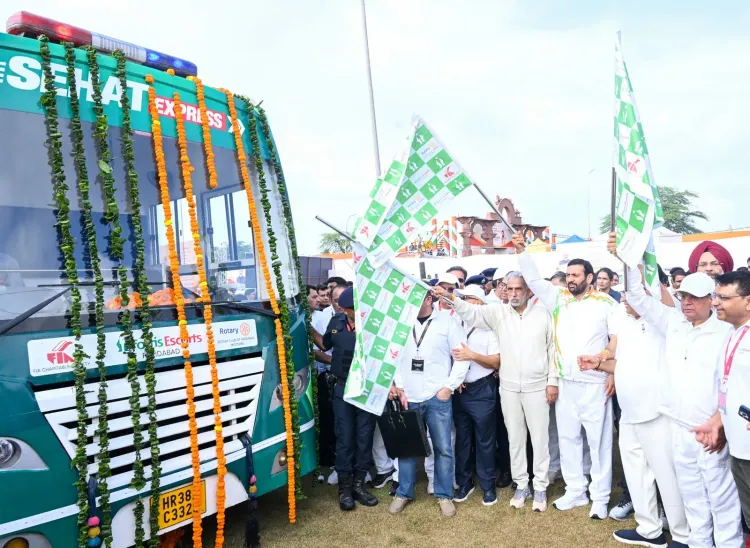
A bus rolled out of Haryana on Sunday, 27 September 2026, carrying something rural residents in the state have long lacked — a government health service that comes to them. Chief Minister Nayab Saini flagged off the SEHAT EXPRESS, a mobile bus initiative designed to bring public health services closer to underserved communities across the state.
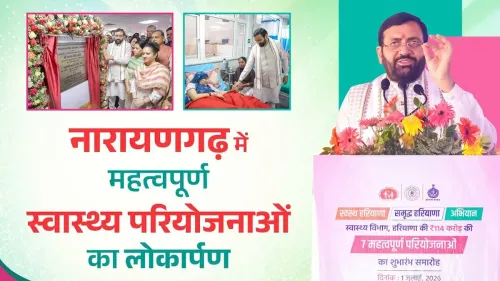
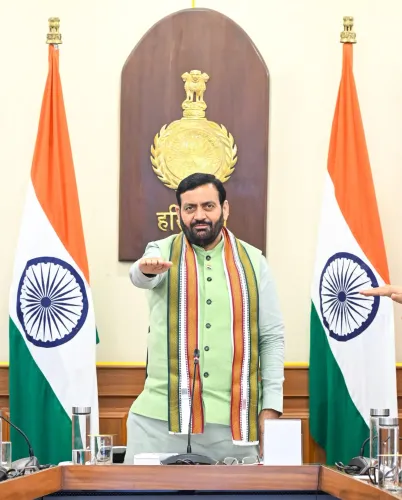
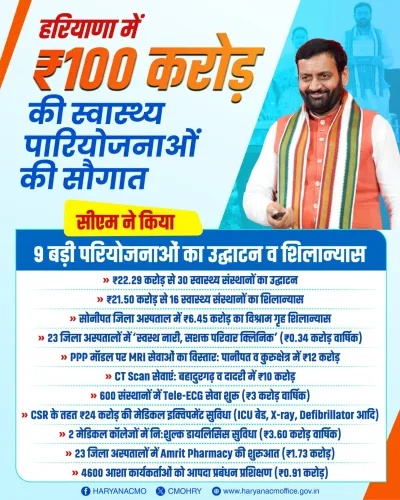
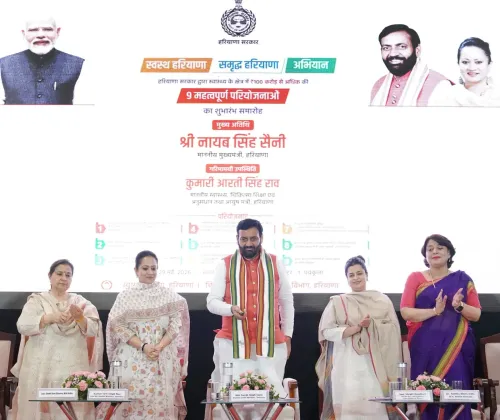
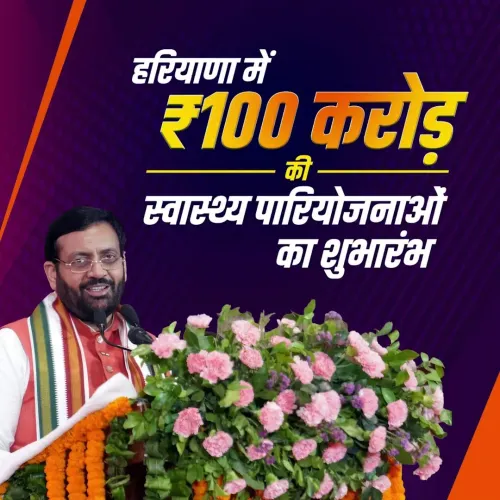
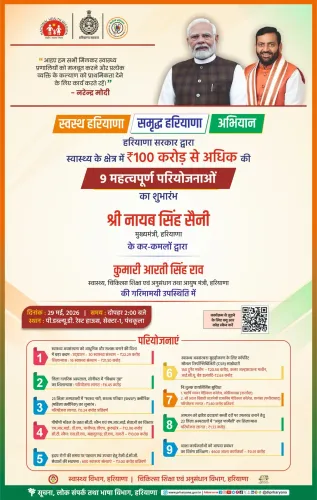
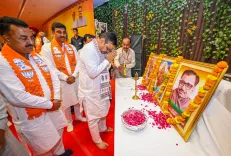
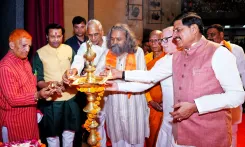
The Chief Minister's Office of Haryana announced the launch on X, describing it as 'an important step towards making public health services more accessible and effective.' The post, accompanied by three images of the flag-off ceremony, marks the formal rollout of the mobile unit under CM Saini's BJP-led administration.
What SEHAT EXPRESS is built to do
The initiative belongs to a well-established playbook in Indian public health: deploy mobile medical units to close the last-mile gap between district hospitals and the villages that can rarely reach them. The National Health Mission, launched in 2005, laid the template for such mobile units, and several states have since adapted the model with varying degrees of reach and regularity.
SEHAT EXPRESS takes that model and gives it a dedicated identity in Haryana — a state where large stretches of rural territory sit far from functional primary health centres. The bus is intended to deliver services directly into communities, complementing insurance-focused central schemes like Ayushman Bharat with on-the-ground outreach that does not require a patient to travel first.
Saini's health push in a BJP-governed state
Nayab Saini took charge as Chief Minister of Haryana in March 2024, inheriting a government that had already framed rural access as a political priority. The flag-off of SEHAT EXPRESS fits a pattern visible across BJP-ruled states — visible, named initiatives that can be tracked, branded, and expanded. The question the rollout immediately raises is one of scale: how many buses, which routes, and how often.
Those specifics — fleet size, service schedules, district coverage — are yet to be publicly detailed by the state health department. What the flag-off does confirm is that the programme has cleared the political starting line. Patient footfall and service utilisation data, once the buses are running, will be the real measure of whether the initiative reaches the populations it promises to serve.
Haryana has taken a step that puts healthcare on wheels. The harder part — keeping those wheels turning consistently — starts now.
Point of View
Brand-able health initiative that fits the BJP's preference for named, trackable welfare programmes with direct public contact. For CM Nayab Saini, who took office in March 2024, such a flag-off serves both a governance and an optics purpose — demonstrating delivery on rural welfare promises ahead of any future electoral cycle. The deeper policy test is whether Haryana can sustain and scale the mobile unit model beyond a ceremonial launch, given that similar initiatives across states have historically struggled with maintenance, staffing, and regular route discipline. The absence of published operational details at launch is a gap worth watching.
NationPress
27 Sept 2026
Frequently Asked Questions
What is SEHAT EXPRESS in Haryana?
SEHAT EXPRESS is a mobile health bus initiative launched by the Haryana government to deliver public health services directly to rural and underserved communities across the state.
Who launched SEHAT EXPRESS?
Chief Minister Nayab Saini flagged off the SEHAT EXPRESS bus on 27 September 2026.
What services does the SEHAT EXPRESS bus provide?
The bus is designed to bring government public health services closer to communities that lack easy access to hospitals or health centres, though specific services have not been publicly detailed at launch.
How does SEHAT EXPRESS relate to Ayushman Bharat?
SEHAT EXPRESS complements Ayushman Bharat by focusing on direct health outreach to communities, whereas Ayushman Bharat primarily provides health insurance coverage.
Which state has launched the SEHAT EXPRESS health bus?
Haryana, a northern Indian state with a BJP-led government under Chief Minister Nayab Saini, launched the SEHAT EXPRESS mobile health bus.