Jaishankar meets Venezuela, Belarus, Mexico FMs at UNGA 81 in New York
Synopsis
At UNGA 81 in New York, External Affairs Minister Jaishankar packed his sidelines schedule — energy talks with Venezuela, resets with Canada, and engagements with Belarus and Mexico — while delivering an unmistakable, if unnamed, warning to Pakistan from the UN floor: India's right to defend itself against cross-border terrorism 'will be exercised.'
Key Takeaways
EAM Jaishankar met the foreign ministers of Venezuela , Belarus , and Mexico on the sidelines of UNGA 81 in New York on 27 September 2026 .
India-Venezuela energy ties are described as 'gaining momentum', signalling a strategic reset with Caracas.
Jaishankar met Canadian FM Anita Anand and said both sides are preparing to take bilateral ties to a 'higher level' .
In his UNGA address, Jaishankar warned that India's 'right to defend itself against terrorism will be exercised' , without naming any country.
He called state-sponsored, cross-border terrorism a 'direct challenge to the global order' and urged accountability for governments backing it.
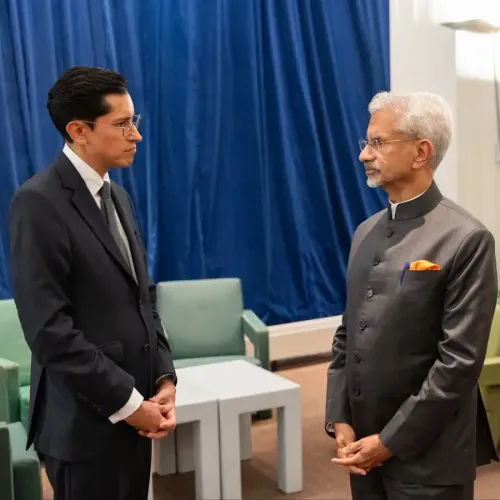
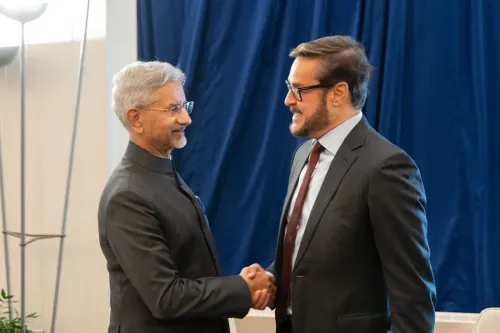
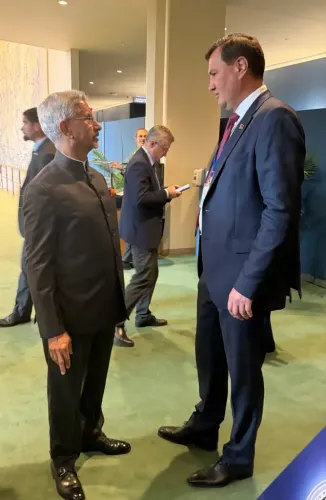
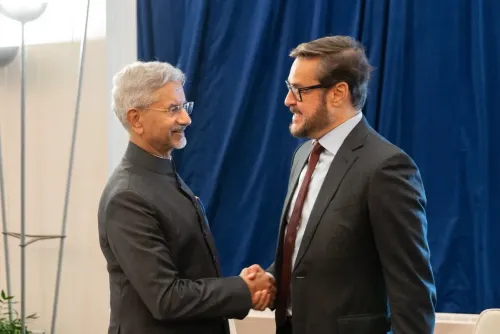
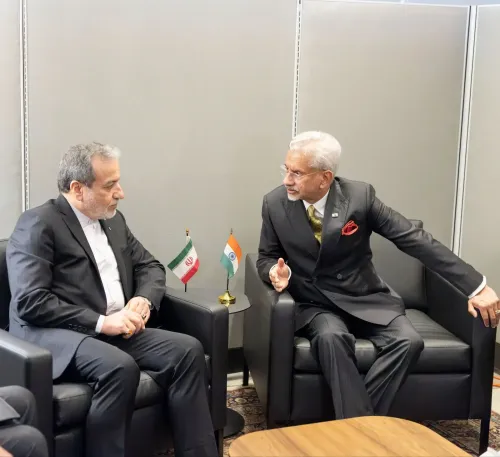
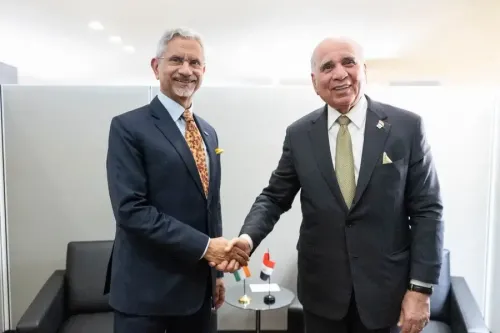
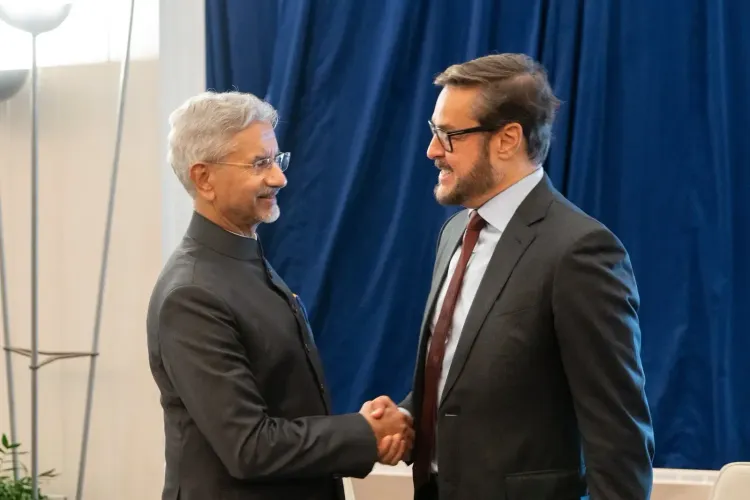
External Affairs Minister S. Jaishankar held a series of bilateral meetings on the sidelines of the 81st session of the United Nations General Assembly (UNGA 81) in New York on 27 September 2026, engaging counterparts from Venezuela, Belarus, and Mexico on bilateral cooperation, regional developments, and energy ties.
India-Venezuela: Energy Ties Gaining Ground
Jaishankar met Venezuelan Foreign Minister Felix Plasencia Gonzalez at UN Headquarters, with discussions covering bilateral cooperation across multiple sectors and current regional issues. In a post on X following the meeting, Jaishankar wrote: 'A good meeting with FM Felix Plasencia Gonzalez of Venezuela at UN HQ UNGA81. Our energy ties are gaining momentum, besides other areas of bilateral cooperation. We also discussed current regional issues.'
The emphasis on energy is notable: India has historically relied on Venezuelan crude as a cost-effective import option, and renewed momentum in that relationship signals a pragmatic reset despite the geopolitical complexities surrounding Caracas.
Meetings with Belarus and Mexico
Jaishankar also met Belarusian counterpart Maxim Ryzhenkov and Mexican Foreign Minister Roberto Velasco Alvarez on the margins of the UNGA. The minister posted photographs from both meetings. Details of the agenda were not separately disclosed, but the back-to-back engagements reflect India's expanding diplomatic footprint across Latin America and Eastern Europe at a single multilateral forum.
India-Canada: Preparing for a 'Higher Level'
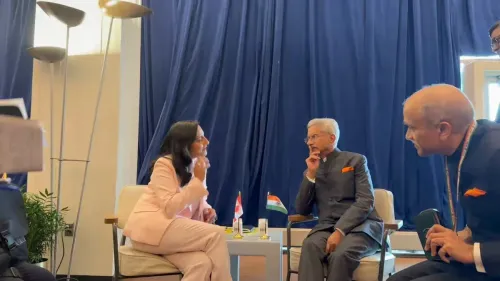
Earlier at the same UNGA session, Jaishankar held talks with Canadian Foreign Minister Anita Anand — a meeting that drew attention given the prolonged strain in India-Canada ties following the Nijjar affair. Jaishankar described it as productive, stating on X: 'Always a pleasure to meet FM Anita Anand of Canada at UNGA81. A productive discussion as we prepare to take the relationship to a higher level.'
The language of moving to a 'higher level' suggests both sides are actively working to normalise a relationship that hit a historic low in 2023 and continued to be tense through much of 2024 and 2025.
Jaishankar's Warning on Cross-Border Terrorism
In his address to the UNGA on Saturday, Jaishankar issued a pointed warning against state-sponsored terrorism, widely read as directed at Pakistan, though he did not name the country. 'Yesterday, a serial practitioner of terrorism misrepresented facts before this assembly,' he told the gathering. 'Our right to defend ourselves against terrorism will be exercised,' he added.
Jaishankar accused unnamed actors of attempting to 'normalise terrorism and claim immunity from its consequences', calling that position untenable. He described state-sponsored terrorism with a cross-border purpose as a 'direct challenge to the global order' and called for governments engaged in such practices to be held accountable. 'Friendship and goodwill cannot coexist with terrorism,' he said, urging continued zero tolerance.
This came as part of a wider address in which Jaishankar warned of the 'weaponisation of everything' — from finance and market access to supply chains and technology — reflecting India's growing concern about the instrumentalisation of global systems by major powers.
What to Watch Next
The flurry of bilateral meetings at UNGA 81 underlines India's intent to reinforce ties across diverse geographies, from energy partners in Latin America to neighbours with fraught histories. The India-Canada signals will be closely watched for concrete follow-up steps, while Jaishankar's anti-terrorism remarks are likely to sharpen diplomatic exchanges in the weeks ahead.
Point of View
Testing a Canada reset after two bruising years, and simultaneously widening India's diplomatic reach into Belarus and Mexico. But the louder signal came from the floor — his unnamed indictment of Pakistan as a 'serial practitioner of terrorism' is a calibrated escalation, deploying the global stage for a message that Islamabad and its backers cannot ignore. The phrase 'our right to defend ourselves will be exercised' is a sovereign assertion framed for an international audience, not just domestic consumption. Whether these bilateral gains translate into durable outcomes will depend on follow-through beyond the hallways of the UN.
NationPress
27 Sept 2026
Frequently Asked Questions
Which foreign ministers did Jaishankar meet at UNGA 81 in New York?
Jaishankar met the foreign ministers of Venezuela (Felix Plasencia Gonzalez), Belarus (Maxim Ryzhenkov), Mexico (Roberto Velasco Alvarez), and Canada (Anita Anand) on the sidelines of the 81st UN General Assembly session in New York on 27 September 2026.
What did Jaishankar say about India-Venezuela energy ties?
Jaishankar said India's energy ties with Venezuela are 'gaining momentum', alongside other areas of bilateral cooperation. The remark points to a pragmatic effort to revive crude oil trade with Caracas, which India had historically relied on as a cost-effective import source.
What was the significance of the India-Canada meeting at UNGA?
Jaishankar met Canadian Foreign Minister Anita Anand and described their discussion as productive, saying both nations are preparing to take the relationship to a 'higher level.' The meeting is significant given the severe diplomatic strain between the two countries since 2023 over the Nijjar affair.
Who was Jaishankar referring to in his terrorism warning at the UN?
Jaishankar did not name any country in his UNGA address, but his remarks — accusing a 'serial practitioner of terrorism' of misrepresenting facts before the assembly and warning that India's right to self-defence 'will be exercised' — were widely interpreted as directed at Pakistan.
What broader themes did Jaishankar address in his UNGA speech?
Beyond terrorism, Jaishankar warned of the 'weaponisation of everything' — including finance, market access, supply chains, and technology — reflecting India's concern about the strategic use of global systems by powerful states. He also called for zero tolerance on terror financing.