Jaishankar holds talks with Mexico, WFP and UNAMA at UNGA 81 in New York
Synopsis
India used the UNGA 81 high-level week as a multi-track diplomatic sprint — technology and health with Mexico, humanitarian pressure-points with the WFP, and a carefully worded Afghanistan engagement that keeps India's options open without endorsing Taliban rule. Three meetings, three agendas, one calculated message about New Delhi's growing multilateral reach.
Key Takeaways
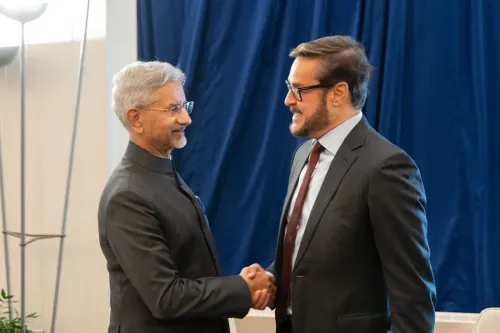
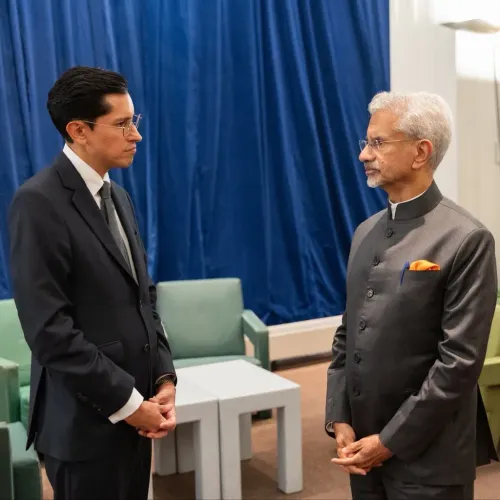
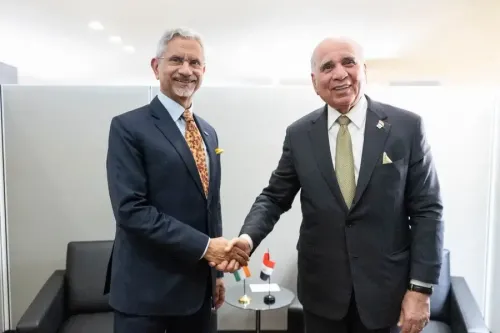
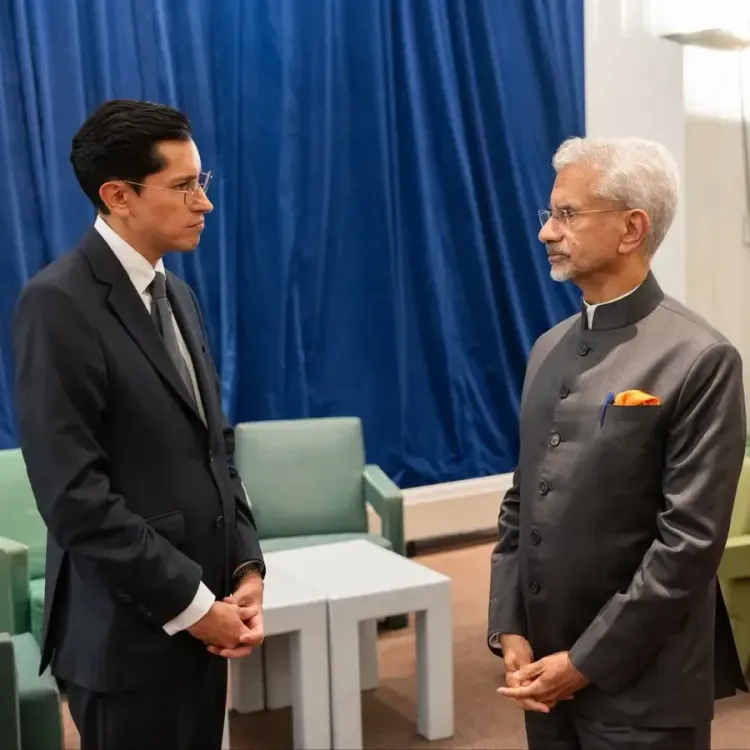
Jaishankar met Mexican Foreign Minister Roberto Velasco Álvarez on the margins of UNGA 81 in New York on 27 September 2026 , focusing on technology and health cooperation.
Secretary (West) Sibi George held talks with WFP acting executive director Carl Skau on challenges to global humanitarian operations.
Foreign Secretary Vikram Misri met UNAMA head Rabab Fatima , stressing that humanitarian needs of Afghan people must remain a priority.
India's Afghanistan readout made no mention of Taliban recognition, signalling no change in official policy.
The three-track outreach reflects India's strategy of using multilateral gatherings for focused bilateral and institutional diplomacy.
External Affairs Minister S. Jaishankar led a wide-ranging diplomatic push during the 81st session of the UN General Assembly in New York on 27 September 2026, holding separate engagements with Mexico, the World Food Programme (WFP), and the UN Assistance Mission in Afghanistan (UNAMA). The multi-track outreach spanned bilateral trade ties, mounting pressures on global humanitarian operations, and the continuing needs of the Afghan people.
India and Mexico: Technology, Health and Trade
Minister Jaishankar met Mexican Foreign Minister Roberto Velasco Álvarez on the margins of the General Assembly's high-level week. Jaishankar disclosed the meeting in a brief social media post following the discussions.
According to the Mexican side, the two ministers explored ways to deepen bilateral cooperation, with particular focus on technology and health. Those sectors sit within a broader relationship that already encompasses trade, pharmaceuticals, automobiles, science, and coordination in multilateral forums. The meeting reinforces a gradual expansion of India's engagement with Latin America, a region where New Delhi has been steadily investing diplomatic capital.
WFP Meeting: Pressures on Global Humanitarian Work
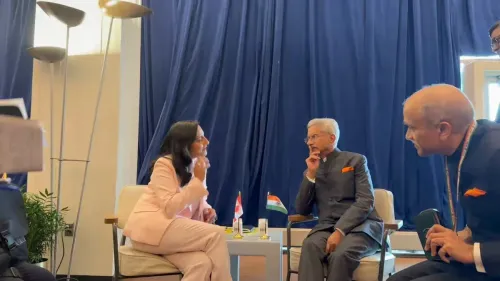
In a separate engagement, Secretary (West) Sibi George met Carl Skau, acting executive director of the World Food Programme, on the sidelines of the session. 'They discussed the evolving global landscape and challenges to global humanitarian efforts,' the Ministry of External Affairs (MEA) said in a readout.
The talks reflected growing strain on humanitarian agencies responding simultaneously to emergencies across multiple regions. Notably, India's partnership with the WFP has shifted over the years — moving from receiving direct food assistance to providing technical cooperation, including stronger food-distribution systems, nutrition programmes, and sharing India's own operational experience. That evolution gives New Delhi a distinct voice in conversations about the future of global humanitarian architecture.
Afghanistan: Humanitarian Focus, Policy Unchanged
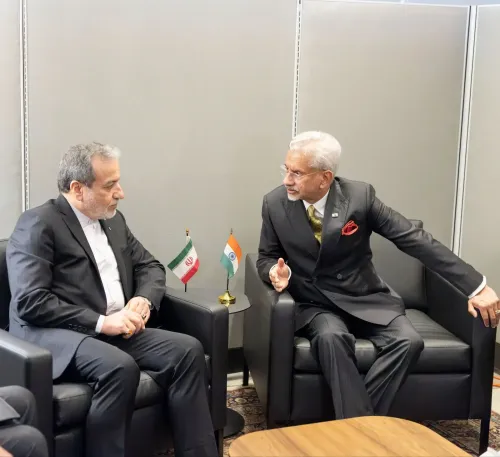
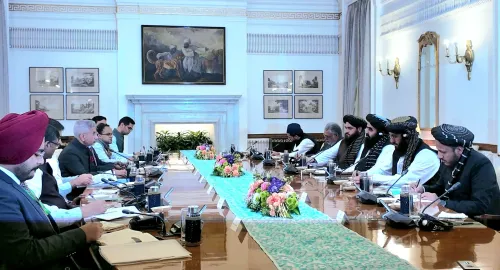
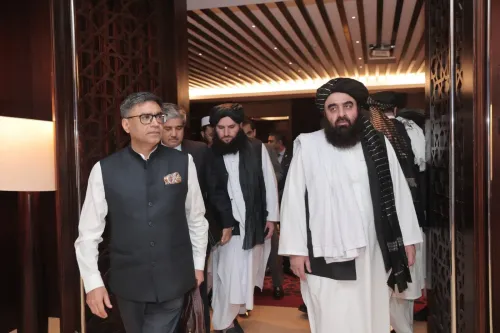
Foreign Secretary Vikram Misri met Rabab Fatima, the UN Secretary-General's special representative for Afghanistan and head of UNAMA, forming the third strand of India's UN outreach. The MEA said Misri 'underlined that addressing the humanitarian needs of the people of Afghanistan must remain a focus' and 'appreciated the role of UNAMA and extended India's continued cooperation.'
The readout kept attention firmly on the Afghan population and the UN's field presence. It made no reference to formal diplomatic recognition of the Taliban authorities and announced no shift in India's official policy — a studied ambiguity that India has maintained since the Taliban's return to power in 2021. This is the latest in a series of India-UNAMA interactions aimed at keeping humanitarian corridors open without conferring political legitimacy on Kabul's current rulers.
What the Outreach Signals
Taken together, the three engagements illustrate India working multiple channels simultaneously at a single multilateral gathering — a pattern increasingly visible under the current foreign policy dispensation. The Mexico meeting adds a trade-and-technology dimension to India's Global South diplomacy. The WFP discussion positions India as a contributor, not merely a beneficiary, of humanitarian systems. The UNAMA talks keep Afghanistan on India's strategic radar without locking New Delhi into a definitive stance on Taliban recognition.
As the 81st UNGA session continues, further bilateral meetings on the margins are expected, reflecting India's strategy of using global summits for compact, issue-specific diplomatic work.
Point of View
Each with a distinct strategic purpose, compressed into one high-level week. The Mexico meeting signals a quiet but real push into Latin America that rarely gets the attention it deserves. The WFP engagement is the more revealing one: India positioning itself as a systems-builder in global humanitarian architecture, not a passive participant, is a reputational shift worth watching. On Afghanistan, the deliberate silence on Taliban recognition is itself a policy statement — New Delhi continues to thread a needle between humanitarian engagement and political non-committal, a posture that serves India's interests but leaves the Afghan people's long-term situation unresolved.
NationPress
27 Sept 2026
Frequently Asked Questions
What did EAM Jaishankar discuss with Mexico at UNGA 81?
Jaishankar met Mexican Foreign Minister Roberto Velasco Álvarez on the margins of the 81st UN General Assembly session in New York, where the two sides discussed deepening bilateral cooperation in technology and health. The broader India-Mexico relationship also spans trade, pharmaceuticals, automobiles, and collaboration in multilateral forums.
What was the outcome of India's meeting with the World Food Programme?
Secretary (West) Sibi George met WFP acting executive director Carl Skau to discuss the evolving global humanitarian landscape and the growing pressures on agencies responding to multiple emergencies. The talks also touched on India's long partnership with the WFP, which has shifted from direct food aid to technical cooperation including food-distribution systems and nutrition programmes.
What did India say about Afghanistan at the UN General Assembly?
Foreign Secretary Vikram Misri met UNAMA head Rabab Fatima and underlined that addressing the humanitarian needs of the Afghan people must remain a priority. India's readout did not mention diplomatic recognition of the Taliban and signalled no change in its official policy toward Afghanistan.
Why is India's UNGA outreach significant this year?
India used the UNGA 81 high-level week to simultaneously advance bilateral ties with Mexico, contribute to global humanitarian discussions via the WFP, and maintain its humanitarian focus on Afghanistan — all within a single multilateral setting. This multi-track approach reflects New Delhi's broader strategy of using global summits for compact, issue-specific diplomatic engagement.
Has India changed its policy on recognising the Taliban government?
No. India's official readout from the UNAMA meeting made no reference to Taliban recognition and announced no policy shift, maintaining the studied ambiguity New Delhi has held since the Taliban returned to power in 2021. India continues to engage on humanitarian grounds without conferring political legitimacy on the Taliban authorities.