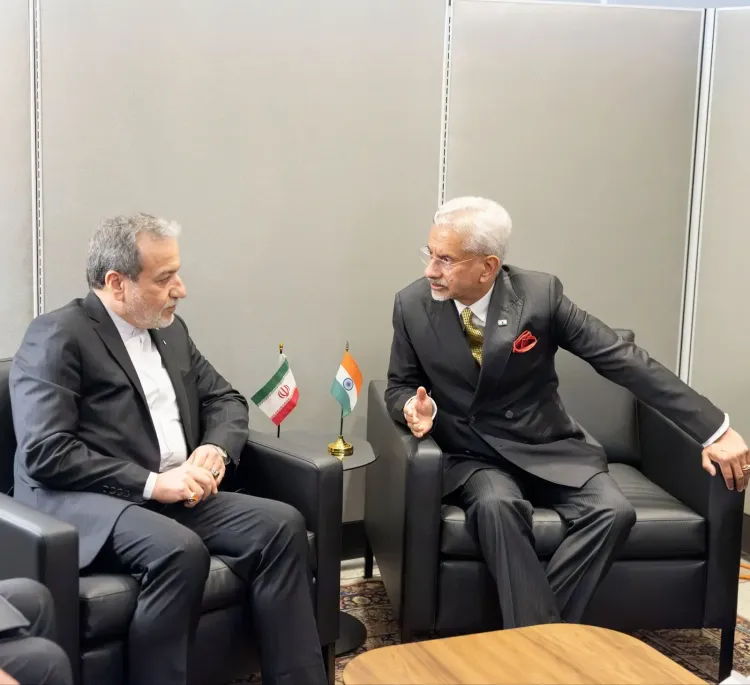
Jaishankar meets Iran FM Araghchi at UNGA 81 to discuss Gulf conflict
Synopsis
On the sidelines of UNGA 81, India's External Affairs Minister Jaishankar held talks with Iran's Foreign Minister Araghchi on the Gulf conflict — a direct signal that New Delhi is keeping its diplomatic lines open with Tehran even as regional tensions escalate and global energy markets remain on edge.
Key Takeaways
Jaishankar met Iranian FM Abbas Araghchi on the sidelines of UNGA 81 in New York on 25 September 2026 .
Talks focused on the latest developments in the Gulf conflict and regional stability.
Jaishankar confirmed the meeting in a post on X , saying both sides 'will continue to be in touch.' India relies heavily on Gulf energy imports , giving maritime security and oil supply stability direct economic significance for New Delhi.
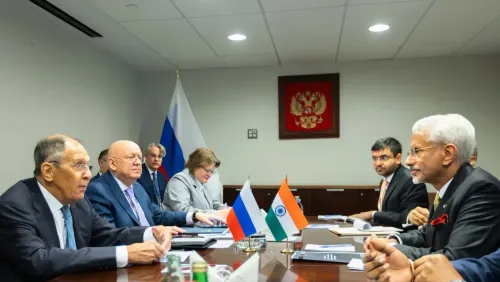
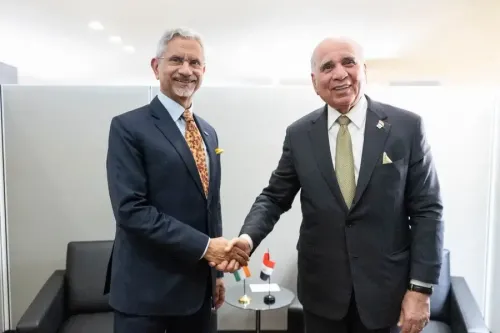
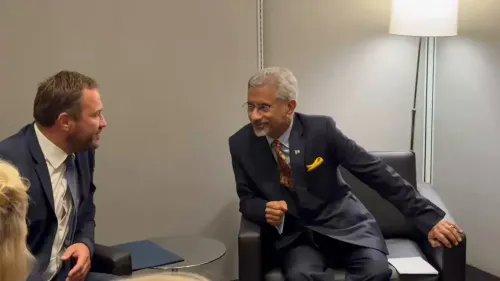
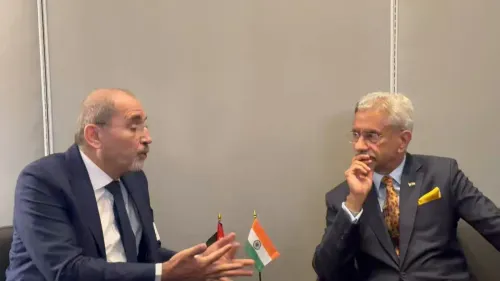
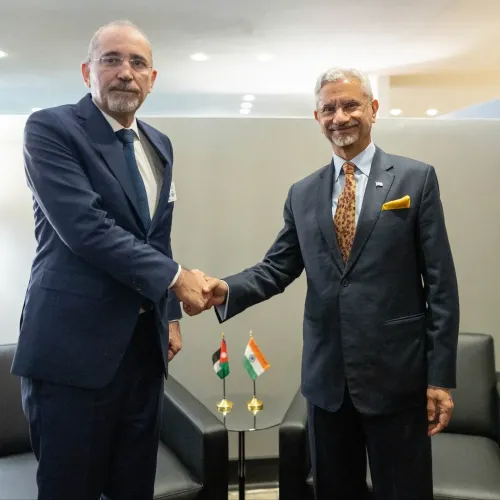
The meeting is part of a broader India diplomatic push at UNGA 81 that has included counterparts from Russia, Egypt, Jordan, and others.
Future India-Iran engagement is expected to cover Chabahar Port , energy cooperation, and regional stability frameworks.
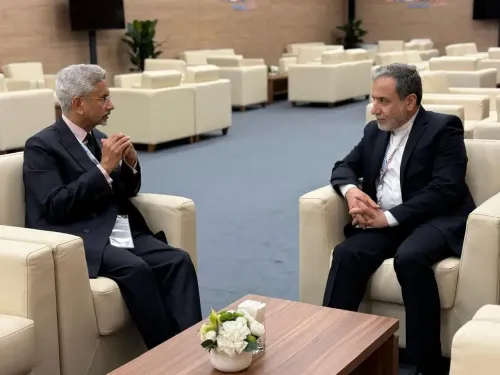
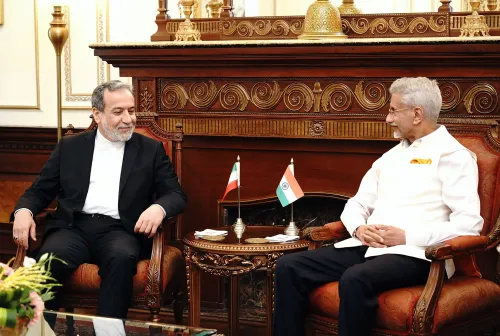
External Affairs Minister S. Jaishankar on Friday, 25 September 2026, held a detailed conversation with Iranian Foreign Minister Abbas Araghchi on the sidelines of the 81st United Nations General Assembly (UNGA) in New York, focusing on the latest developments in the Gulf conflict. The meeting underscores India's active diplomatic engagement with key West Asian stakeholders at a moment of heightened regional tensions.
What Jaishankar Said
Confirming the bilateral on social media platform X, Jaishankar wrote: 'Appreciate the conversation with FM @araghchi of Iran at the @UN #UNGA81. We discussed the latest developments regarding the Gulf conflict. Will continue to be in touch.' The post signals that the two sides intend to maintain regular contact as the situation in the Gulf evolves.
Why the India-Iran Meeting Matters
Iran remains a pivotal actor in the Gulf's strategic architecture. For India, the stakes are immediate and economic — the country is heavily reliant on Gulf energy imports, making maritime security, oil supply stability, and regional rivalry dynamics directly consequential for household budgets and industrial output. Diplomatic sources noted that the Gulf conflict, involving multiple regional actors, has been a recurring focus of Jaishankar's bilateral engagements throughout UNGA 81. This is consistent with India's long-standing position of advocating dialogue, de-escalation, and respect for international law to resolve disputes.
Tehran's Diplomatic Context
The meeting comes as Tehran seeks to broaden its diplomatic reach amid sustained international sanctions and a shifting regional alliance landscape. Iran's engagement with India at UNGA reflects the value both sides attach to the bilateral relationship, which spans energy trade, the strategically significant Chabahar Port connectivity project, and broader regional stability discussions. Notably, Jaishankar's engagement with Araghchi adds a crucial energy-security dimension to India's UNGA diplomacy that extends well beyond the General Debate.
India's Broader UNGA 81 Diplomatic Push
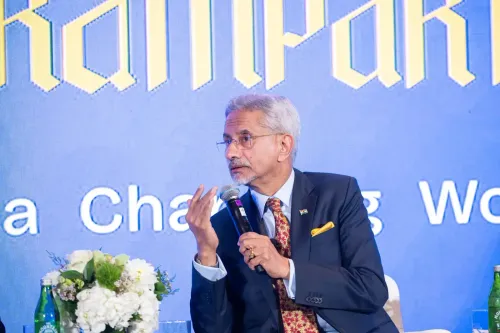
Jaishankar's bilateral with Araghchi is part of an extensive diplomatic calendar at UNGA 81 that has also included meetings with counterparts from Russia, Egypt, Jordan, and several other nations. His interventions in New York have consistently foregrounded India's role as a voice for the Global South, calling for reforms in multilateral institutions and coordinated responses to terrorism, climate change, and supply chain disruptions.
What Comes Next
The India-Iran dialogue initiated at UNGA is expected to continue in the coming months, with both sides likely to explore avenues for energy cooperation, advancement of the Chabahar Port project, and regional stability initiatives. How the Gulf conflict unfolds will determine the urgency and depth of that follow-up engagement.
Point of View
Jaishankar's engagement is less about optics and more about insurance. What mainstream coverage often misses is the Chabahar sub-text: any escalation in the Gulf directly threatens the connectivity project that India sees as its strategic answer to Pakistan's geographic chokehold on overland trade routes. The question is whether bilateral goodwill can be converted into durable frameworks before the next flare-up reshuffles regional alignments entirely.
NationPress
26 Sept 2026
Frequently Asked Questions
What did Jaishankar and Iran's FM Araghchi discuss at UNGA 81?
They discussed the latest developments regarding the Gulf conflict and regional stability on the sidelines of the 81st United Nations General Assembly in New York on 25 September 2026. Jaishankar confirmed the meeting on X and said both sides would continue to stay in touch.
Why does an India-Iran meeting at UNGA matter for India?
India is heavily dependent on Gulf energy imports, making regional stability in West Asia directly consequential for its economy and energy security. Iran is a central player in the Gulf's strategic landscape, and any escalation there affects oil supply, maritime security, and India's Chabahar Port connectivity project.
What is the Chabahar Port and why is it relevant to India-Iran ties?
Chabahar Port is a strategically significant connectivity project on Iran's southeastern coast that India has invested in to secure an overland trade route to Afghanistan and Central Asia, bypassing Pakistan. It is a recurring agenda item in India-Iran diplomatic conversations and is expected to feature in follow-up engagement after the UNGA meeting.
Who else has Jaishankar met at UNGA 81?
Alongside his meeting with Iranian FM Araghchi, Jaishankar has held bilateral meetings with counterparts from Russia, Egypt, Jordan, and several other nations during UNGA 81, emphasising India's role as a voice for the Global South and pushing for multilateral institutional reforms.
What is India's stated position on the Gulf conflict?
India has consistently advocated dialogue, de-escalation, and respect for international law to resolve disputes in the Gulf. New Delhi positions itself as a neutral interlocutor with stakes in regional stability, given its energy dependence and large diaspora in the Gulf region.