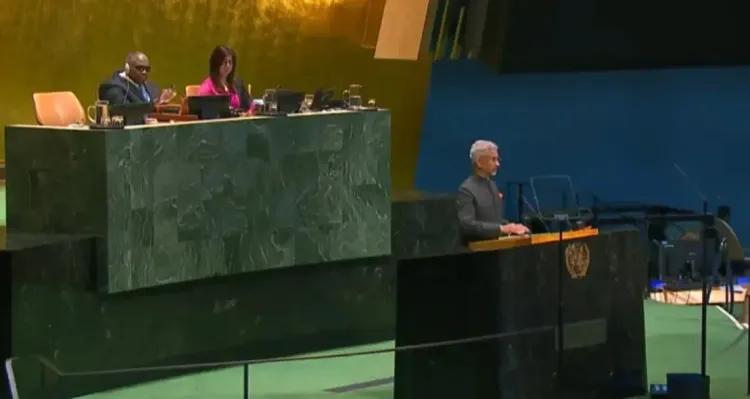
Jaishankar at UNGA: India urges end to Gulf, Ukraine conflicts
Synopsis
At the UN General Assembly, External Affairs Minister Jaishankar delivered India’s sharpest diplomatic signal yet — invoking PM Modi’s direct message to Putin that ‘endless war must give way now to an end to war.’ With both Gulf and Ukraine conflicts squeezing global food and energy supplies, India is staking out its role as the Global South’s most consequential peace advocate.
Key Takeaways
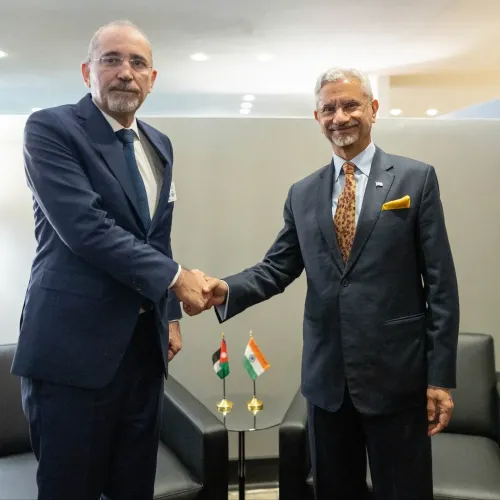
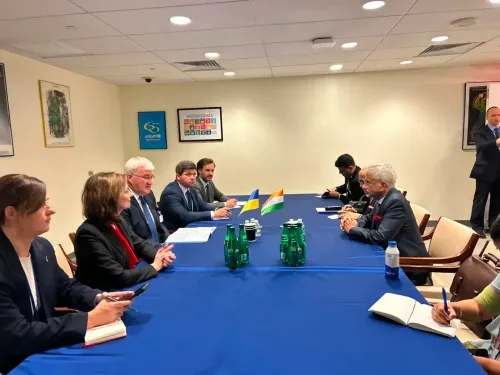
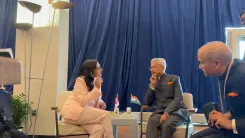
Jaishankar addressed the UN General Assembly on 27 September , calling for an end to hostilities in the Gulf and Ukraine .
He warned the conflicts were ‘threatening progress and retarding development’ far beyond their immediate regions.
On the Gulf , India urged all parties to exercise restraint, protect civilians, and ensure uninterrupted flow of energy and commerce.
Jaishankar quoted PM Modi’s message to President Putin : ‘Endless war must give way now to an end to war.’ India reaffirmed its support for a two-state solution for Israel and Palestine and confirmed ongoing humanitarian assistance to the Palestinian people .
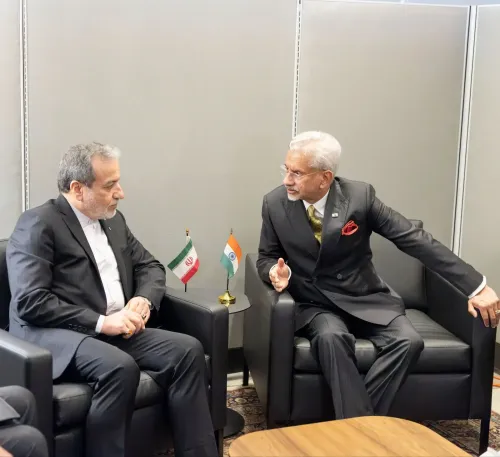
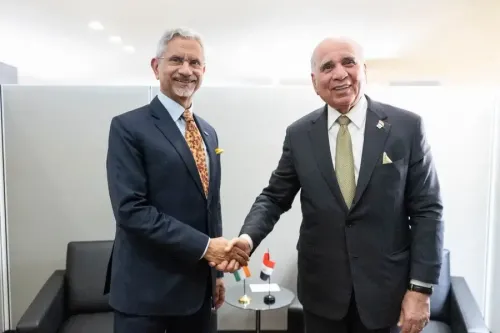
External Affairs Minister S. Jaishankar on 27 September called for an immediate end to hostilities in the Gulf and Ukraine, warning at the United Nations General Assembly (UNGA) that the ongoing conflicts were “threatening progress and retarding development” well beyond their immediate theatres. India, he said, stands ready to do everything possible to support improvements in food security and energy security.
India’s Stand on the Gulf Conflict
Addressing the global forum, Jaishankar expressed deep concern over the deteriorating situation in the Gulf, describing the conflict as “exacerbating an already difficult situation.” He called on all parties to “exercise restraint, de-escalate tensions, ensure protection of civilians, and uninterrupted flow of energy and commerce.”
The minister’s remarks come as Gulf tensions continue to ripple through global commodity markets, with crude oil prices and shipping routes remaining under strain. India, as one of the world’s largest energy importers, has a direct stake in the stability of Gulf sea lanes.
Ukraine: Seafarers, Foodgrains, and the Path to Peace
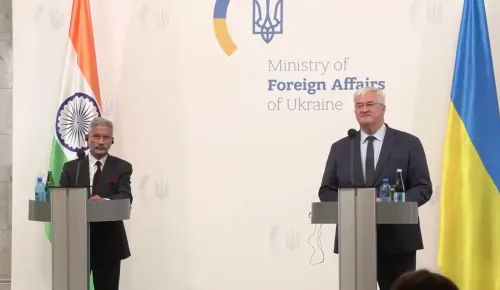
On the Ukraine conflict, Jaishankar stressed the urgent need to protect seafarers and ensure uninterrupted supplies of foodgrains and energy — both of which have been disrupted since the conflict began. “India supports ongoing initiatives to bring peace,” he stated.
Invoking Prime Minister Narendra Modi’s direct message to Russian President Vladimir Putin, Jaishankar quoted: “As Prime Minister Narendra Modi stated, endless war must give way now to an end to war.” The remark echoes Modi’s widely noted personal diplomacy, including his visits to both Kyiv and Moscow in recent years.
West Asia: Two-State Solution Remains India’s Position
Turning to West Asia, Jaishankar reiterated India’s longstanding support for a two-state solution, envisioning Israel and Palestine coexisting as sovereign states in peace. He described this framework as “essential for durable peace” in the region.
India is also actively contributing to humanitarian efforts. “India is contributing to humanitarian assistance and relief efforts for the Palestinian people,” Jaishankar confirmed, underscoring New Delhi’s commitment to civilian welfare even as it maintains diplomatic ties with all regional actors.
The Broader Message from New Delhi
Jaishankar’s address at the UNGA reflects India’s consistent post-2022 posture — advocating dialogue and diplomacy over escalation, while positioning itself as a credible, non-aligned voice in a fractured global order. This comes amid renewed international pressure on major powers to reach negotiated settlements, and as India holds an increasingly prominent role in multilateral forums including the G20, BRICS, and the SCO.
With global food and energy markets still absorbing the shocks from both conflicts, India’s calls for protecting supply chains carry significant economic weight for the Global South.
Point of View
To Washington, and to Moscow simultaneously that it remains the indispensable interlocutor in a fragmented world order. The Modi-to-Putin quote is deliberately loaded: it reminds Western audiences of India’s unique channel to the Kremlin while avoiding any explicit condemnation that would complicate New Delhi’s energy and defence dependencies on Russia. The two-state reaffirmation on Israel-Palestine is similarly calibrated — India has deepened ties with Tel Aviv while keeping its traditional solidarity with Palestinians intact. What mainstream coverage misses is the economic subtext: every reference to food and energy security is a direct message to African and Asian nations watching their import bills surge because of conflicts they had no hand in.
NationPress
27 Sept 2026
Frequently Asked Questions
What did EAM Jaishankar say at the UN General Assembly?
External Affairs Minister S. Jaishankar called for an end to hostilities in the Gulf and Ukraine at the UN General Assembly on 27 September, warning the conflicts were ‘threatening progress and retarding development’ globally. He also reiterated India’s support for a two-state solution for Israel and Palestine and confirmed India’s humanitarian contributions to the Palestinian people.
What is India’s position on the Ukraine conflict?
India supports ongoing peace initiatives and has called for the protection of seafarers and uninterrupted supplies of foodgrains and energy disrupted by the war. Jaishankar cited PM Modi’s direct message to Russian President Vladimir Putin — ‘endless war must give way now to an end to war’ — to underline India’s peace-oriented stance.
What did Jaishankar say about the Gulf conflict?
He described the Gulf conflict as exacerbating an already difficult situation and called on all parties to exercise restraint, de-escalate tensions, protect civilians, and ensure uninterrupted flow of energy and commerce. India, as a major energy importer, has a direct stake in Gulf stability.
What is India’s stand on the Israel-Palestine conflict?
India supports a two-state solution, with Israel and Palestine existing as sovereign states side by side in peace. Jaishankar described this as essential for durable peace and confirmed India is contributing to humanitarian assistance and relief efforts for the Palestinian people.
Why does India’s call for peace at UNGA matter?
India’s stance matters because it holds rare diplomatic access to all major parties — Russia, the US, Gulf states, and Israel — while also representing the concerns of the Global South on food and energy security. Its non-aligned, dialogue-first approach positions it as a credible mediator at a time when other major powers are seen as partisan.