Jaishankar, EU's Kallas discuss Ukraine, Gulf conflicts at G20 in Atlanta
Synopsis
On the sidelines of the G20 Foreign Ministers' meeting in Atlanta, EAM Jaishankar and EU's Kaja Kallas met for a second time in under a week — their agenda: Ukraine, the Gulf, and the mounting cost of conflict on Global South nations. Jaishankar's warning that the developing world is 'disproportionately bearing the consequences' of attacks on civilian shipping is India's sharpest multilateral statement yet on the maritime fallout of these twin crises.
Key Takeaways
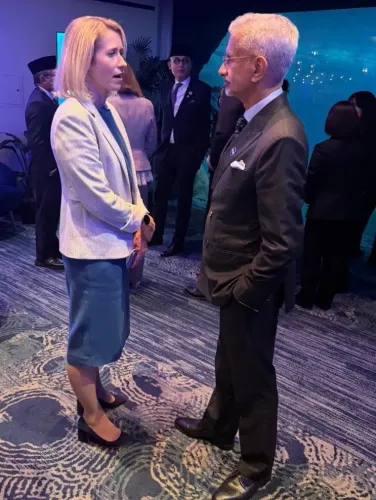
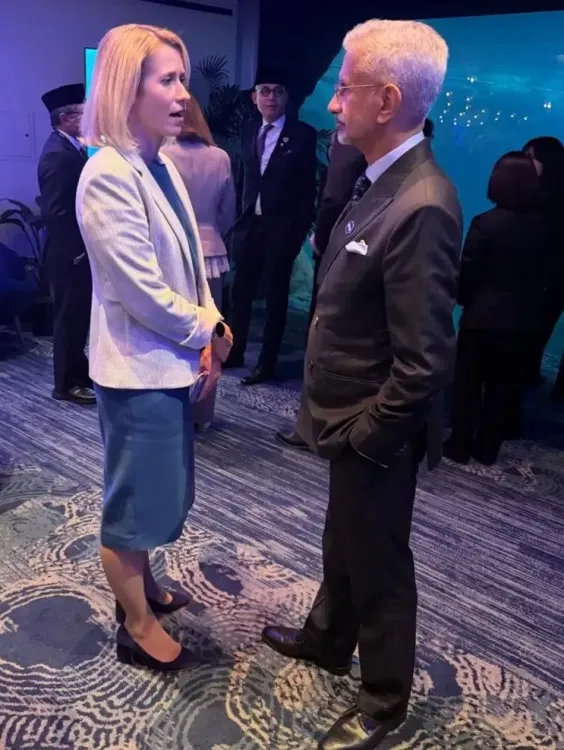
Jaishankar met EU HRVP Kaja Kallas on the sidelines of the G20 Foreign Ministers' meeting in Atlanta on 31 October 2026 .
The two discussed the Ukraine conflict and the Gulf situation — their second engagement in under a week after a phone call on 25 October .
Kallas called for a Black Sea freedom of navigation arrangement and opposed tolls on international shipping routes.
Jaishankar warned that the Global South is 'disproportionately bearing the consequences' of attacks on civilian shipping, affecting fuel, food and fertiliser costs.
India stressed an urgent need to preserve freedom of navigation under international law, particularly UNCLOS .
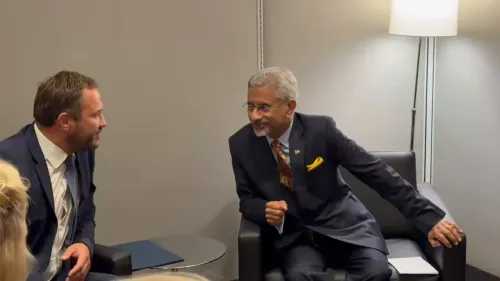
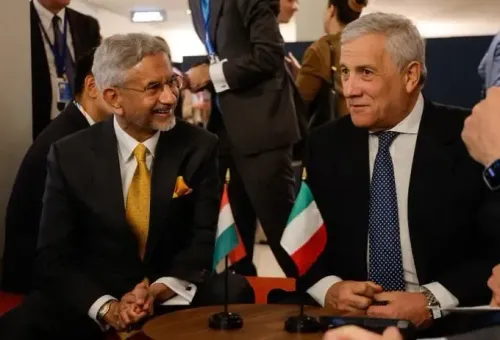
External Affairs Minister S. Jaishankar met EU High Representative for Foreign Affairs and Security Policy Kaja Kallas on the sidelines of the G20 Foreign Ministers' meeting in Atlanta on 31 October 2026, with the two leaders discussing the ongoing Ukraine conflict and the Gulf situation. The meeting marks the second direct exchange between the two diplomats in under a week, following a phone call on 25 October to coordinate positions on key global issues.
What Jaishankar and Kallas Discussed
Jaishankar confirmed the meeting in a post on X, stating: 'Discussed the Ukraine conflict and the Gulf situation with EU HRVP Kaja Kallas.' The brief bilateral on the G20 sidelines follows their earlier phone conversation, during which both sides aligned on the conflict in the Gulf region and broader global diplomatic challenges.
Kallas Calls for Black Sea Freedom of Navigation
At the first plenary session of the G20 meeting, Kallas underscored the dual threat posed by the Russia-Ukraine war and the Middle East conflict to global supply chains. In a post on X, she stated: 'Russia's war in Ukraine and the crisis in the Middle East pose major threats to energy and food supplies, trade and freedom of navigation. Maritime routes are global lifelines.' She called for a Black Sea freedom of navigation arrangement and reaffirmed the EU's opposition to tolls and fees on international shipping routes, stressing that 'energy security and supply chain resilience are vital for global economic stability.'
India's Position: Diplomacy Over Military Solutions
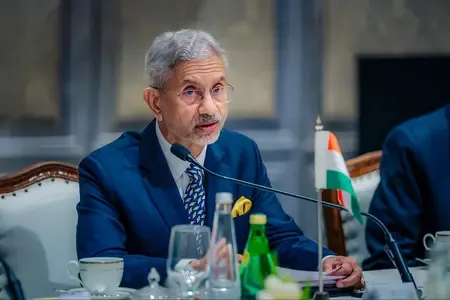
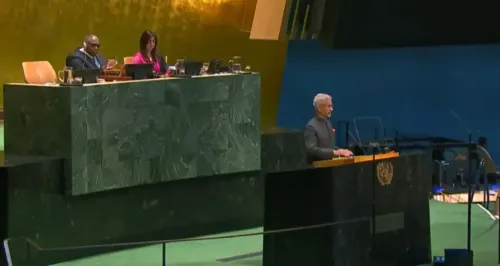
Jaishankar, also addressing the plenary session, reiterated India's consistent stance that military action cannot resolve global conflicts. He emphasised that 'diplomacy must be given a chance' and drew attention to the outsized burden borne by developing nations. 'Global South is disproportionately bearing the consequences of attacks on civilian shipping and seafarers, jeopardising the availability and cost of fuel, food and fertilisers,' he said in his remarks, which he shared via a post on X.
India's Push for UNCLOS-Based Maritime Security
Jaishankar stressed an 'urgent need to preserve the freedom of navigation and ensure cessation of attacks within the framework of international law, especially UNCLOS.' The statement aligns with India's long-standing multilateral approach to maritime security and reflects New Delhi's growing assertion of Global South interests on international platforms. This comes amid intensifying international pressure to stabilise critical shipping corridors in the Red Sea and the Gulf, which have faced repeated disruptions linked to the Middle East conflict.
Context and What Comes Next
The Atlanta G20 Foreign Ministers' meeting brings together top diplomats at a moment of acute global stress — with the Ukraine war showing no signs of resolution and Middle East hostilities continuing to disrupt energy and food trade. India's dual engagement with both the EU and the broader G20 forum underscores New Delhi's effort to position itself as a credible mediator and advocate for the Global South. Further bilateral meetings on the G20 sidelines are expected as the summit proceedings continue.
Point of View
India is weaponising the Global South's economic pain — disrupted shipping, costlier fuel and food — as a diplomatic lever. This is a consistent pattern since 2022, but the UNCLOS invocation sharpens it into a legal argument that other developing nations can rally around. The question is whether India's moral authority on maritime security can translate into a concrete multilateral mechanism, or whether it remains a rhetorical posture in the absence of enforcement muscle. Kallas's Black Sea navigation call, meanwhile, signals the EU is willing to push harder on the maritime dimension — potentially creating a rare area of India-EU convergence at a forum otherwise divided by the Ukraine fault line.
NationPress
31 Oct 2026
Frequently Asked Questions
Why did Jaishankar meet Kaja Kallas at the G20 in Atlanta?
External Affairs Minister S. Jaishankar met EU High Representative Kaja Kallas on 31 October on the sidelines of the G20 Foreign Ministers' meeting in Atlanta to discuss the Ukraine conflict and the Gulf situation. It was their second engagement in under a week, following a phone call on 25 October focused on coordinating diplomatic positions.
What did India say about attacks on shipping at the G20?
Jaishankar stated that the Global South is 'disproportionately bearing the consequences of attacks on civilian shipping and seafarers, jeopardising the availability and cost of fuel, food and fertilisers.' He called for an urgent preservation of freedom of navigation under international law, especially UNCLOS.
What did EU's Kaja Kallas propose at the G20 meeting?
Kallas called for a Black Sea freedom of navigation arrangement and reaffirmed the EU's opposition to tolls and fees on international shipping routes. She also highlighted the threat posed by Russia's war in Ukraine and the Middle East conflict to energy and food supplies, trade, and maritime security.
What is India's position on the Ukraine conflict?
India has consistently argued that military solutions cannot resolve global conflicts and that diplomacy must be given a chance. Jaishankar reiterated this stance at the Atlanta G20 plenary session, while also highlighting the economic impact on developing nations.
What is UNCLOS and why did Jaishankar invoke it?
UNCLOS — the United Nations Convention on the Law of the Sea — is the primary international legal framework governing maritime rights, navigation, and resource use. Jaishankar invoked it to argue that cessation of attacks on civilian shipping must occur within an established legal framework, positioning India's maritime security concerns on multilateral legal ground.