G20 Atlanta: Ukraine war tensions divide Western ministers at Lavrov talks
Synopsis
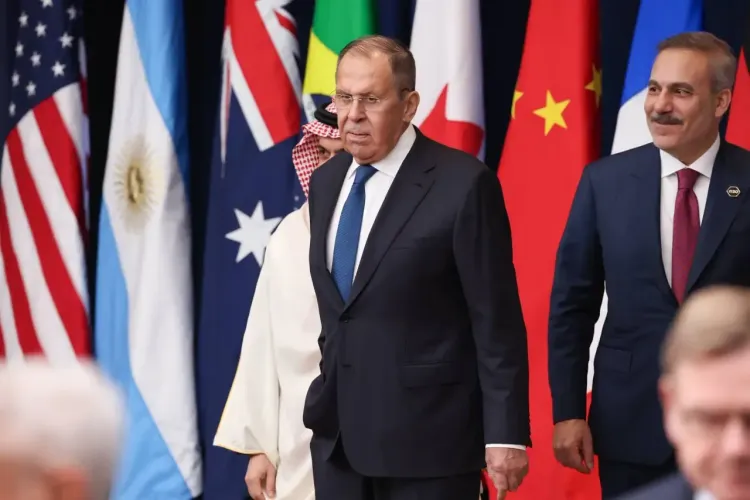
At the G20 Foreign Ministers' Meeting in Atlanta, Lavrov's presence exposed a West divided: some diplomats refused a group photo with Russia's top diplomat while Germany's foreign minister insisted dialogue must continue — even as he ruled out 'normalcy' with Moscow. Ukraine wasn't in the room, but the war dominated every corner of it.
Key Takeaways
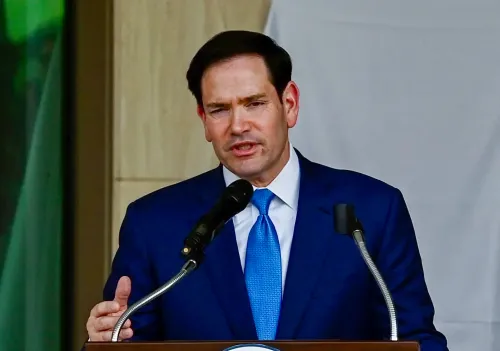
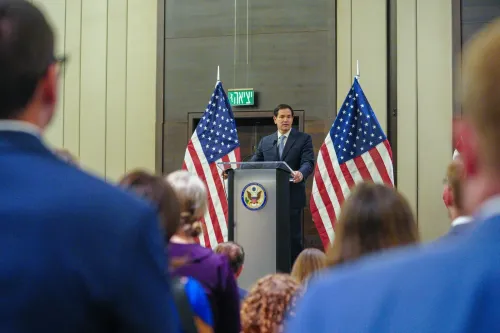
The G20 Foreign Ministers' Meeting opened in Atlanta on 30 October , chaired by US Secretary of State Marco Rubio .
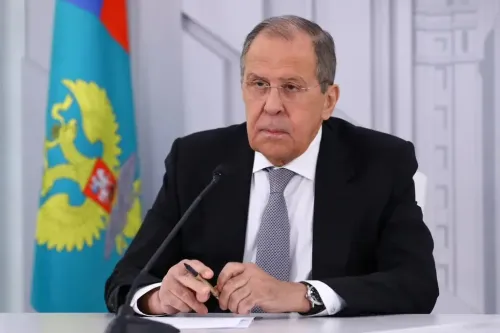
Russian Foreign Minister Sergei Lavrov's attendance triggered a dispute over the traditional group photograph, with some Western diplomats reportedly refusing to appear alongside him.
German Foreign Minister Johann Wadephul said he would not shun the photo but stressed there can be 'no normalcy' with Moscow while the Ukraine war continues.
EU foreign policy chief Kaja Kallas attended; Ukraine was excluded as participation was restricted to G20 members and designated organisations.
Rubio warned of 'interconnected economic and geopolitical crises' , citing threats to energy, food markets, and supply chains.
No peace breakthrough was announced at the opening of the two-day meeting.
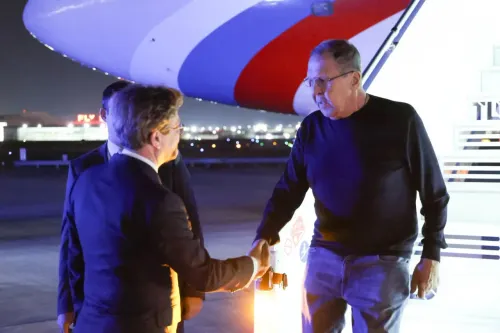
Russian Foreign Minister Sergei Lavrov's attendance at the G20 Foreign Ministers' Meeting in Atlanta on 30 October laid bare deep diplomatic fault lines among Western nations, as disagreements over engaging Moscow overshadowed the summit's stated economic agenda. The two-day gathering, chaired by US Secretary of State Marco Rubio, brought together representatives of major economies at a moment of acute tension over Russia's ongoing war in Ukraine.
Fractured Photo-Op and Diplomatic Signals
Tensions surfaced even before formal discussions began. Reports indicated that the traditional group photograph would not take place, with some Western diplomats reportedly unwilling to be photographed alongside Lavrov. Organisers had reportedly considered separate photographs — with and without the Russian minister — before the plan was apparently abandoned.
German Foreign Minister Johann Wadephul took a notably different stance, saying he would not refuse to appear in a joint photograph because maintaining dialogue was part of his diplomatic responsibilities. He nonetheless insisted there could be 'no normalcy' in relations with Moscow while the war in Ukraine continued — a formulation that reflected the broader contradiction facing European governments.
EU and European Security Concerns at the Table
European Union foreign policy chief Kaja Kallas was among the senior officials present at the Atlanta meeting. The European External Action Service confirmed on 29 October that Kallas would participate in the 30–31 October discussions and hold bilateral meetings on the sidelines.
Her attendance placed European security priorities directly alongside the economic and trade agenda being advanced by Washington during its G20 presidency. This comes amid ongoing EU efforts to maintain a unified front on accountability for Russia's actions in Ukraine, even as individual member states adopt varying postures on diplomatic engagement.
Ukraine Excluded; Russia Pushes Multipolar Agenda
Ukraine was not represented at the Atlanta meeting. Washington restricted participation to G20 member states and designated organisations, leaving Kyiv outside the formal discussions despite the conflict being central to the diplomatic atmosphere.
Russia, meanwhile, signalled its intent to use the gathering to advocate reforms to international economic institutions and advance its vision of a multipolar world order. Separately, Russian Foreign Ministry spokeswoman Maria Zakharova raised concerns about visa formalities for the Russian delegation, saying the paperwork had been resolved only shortly before Lavrov's departure — a logistical friction that critics noted was itself diplomatically pointed.
What Rubio Said: Economics and Geopolitics as One Crisis
In his opening remarks, Rubio framed the meeting's stakes in stark terms. 'We are facing a series of interconnected economic and geopolitical crisis, many of which pose severe threats,' he told participating ministers. He identified disruptions to energy supplies, food markets, international trade, supply chains, and freedom of navigation as challenges requiring coordinated responses.
The opening plenary focused on freedom of navigation and food security — reflecting Washington's attempt to anchor the G20's geopolitical anxieties within an economic cooperation framework. No breakthrough in peace negotiations was announced at the opening of the Atlanta gathering.
Why This Meeting Matters Beyond Atlanta
The G20 — which includes Russia, the United States, China, India, and major European economies — was established as a forum for international economic cooperation. It has increasingly been forced to confront the consequences of geopolitical conflict for trade, energy markets, and global financial stability. This Atlanta meeting underscores the structural tension at the heart of the G20: it is a club that cannot expel members, yet must reach consensus in an era of deep ideological fracture.
The competing approaches among Western governments — whether to engage Russia in multilateral settings or risk legitimising its position — are likely to define the tone of G20 diplomacy for the remainder of the year.
Point of View
Regardless of what it does militarily. Western disagreement over something as symbolic as a group photograph signals that even the performative architecture of multilateralism is under strain. More significantly, Ukraine's exclusion from a meeting ostensibly shaped by its war is a telling reminder that geopolitical victims rarely get a vote in the forums adjudicating their fate. Rubio's 'interconnected crises' framing is shrewd — it allows Washington to discuss Russia's war through the less confrontational language of supply chains and food security — but it also risks laundering a military conflict into an economic management problem.
NationPress
30 Oct 2026
Frequently Asked Questions
What happened at the G20 Foreign Ministers' Meeting in Atlanta?
The G20 Foreign Ministers' Meeting opened in Atlanta on 30 October, chaired by US Secretary of State Marco Rubio. Russia's ongoing war in Ukraine dominated the atmosphere, with Russian Foreign Minister Sergei Lavrov's attendance sparking diplomatic tensions, including a reported dispute over a group photograph.
Why did the group photo controversy arise at the G20 Atlanta meeting?
Some Western diplomats were reportedly unwilling to be photographed alongside Russian Foreign Minister Sergei Lavrov, given Russia's continuing war in Ukraine. Organisers had considered separate photographs before German Foreign Minister Johann Wadephul said he would not refuse to participate in a joint photo, though he insisted there could be 'no normalcy' with Moscow while the war persists.
Why was Ukraine not at the G20 Foreign Ministers' Meeting?
Ukraine is not a G20 member, and Washington restricted attendance at the Atlanta meeting to G20 member states and designated participating organisations. This left Kyiv outside the formal discussions despite the war in Ukraine being central to the diplomatic agenda.
What did US Secretary of State Rubio say at the opening?
Rubio warned that economic and geopolitical crises were increasingly interconnected, saying: 'We are facing a series of interconnected economic and geopolitical crisis, many of which pose severe threats.' He identified energy supplies, food markets, trade, supply chains, and freedom of navigation as priority areas requiring coordinated action.
What is Russia's position at the G20 given the Ukraine war?
Russia remains a full G20 member, and Lavrov attended the Atlanta meeting. Moscow indicated it intended to use the gathering to advocate changes to international economic institutions and promote a multipolar world order. Separately, Russia's foreign ministry noted that visa formalities for Lavrov's delegation were resolved only shortly before departure.