Rubio warns G20 ministers of geopolitical threats to energy, food security

Synopsis
At the G20 Foreign Ministers' Meeting in Atlanta, US Secretary of State Marco Rubio sounded the alarm on interconnected crises threatening energy supplies, food markets, and freedom of navigation — framing the two-day summit as a critical moment to build multilateral resilience before the threats deepen further.
Key Takeaways
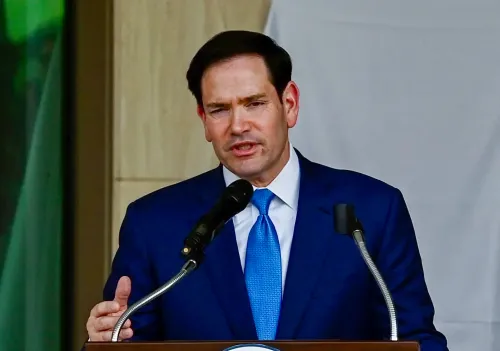
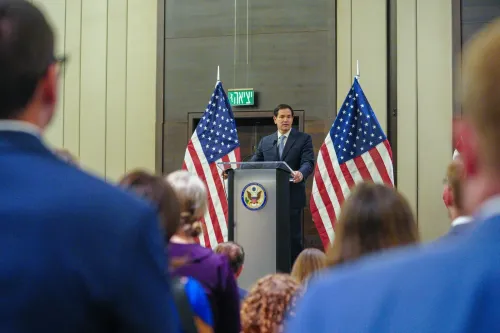
US Secretary of State Marco Rubio opened the G20 Foreign Ministers' Meeting in Atlanta on 30 October 2026 .
Rubio warned that interconnected geopolitical crises posed 'severe threats' to global energy supplies , food markets , trade , and freedom of navigation .
The opening plenary centred on two themes: freedom of navigation and food security .
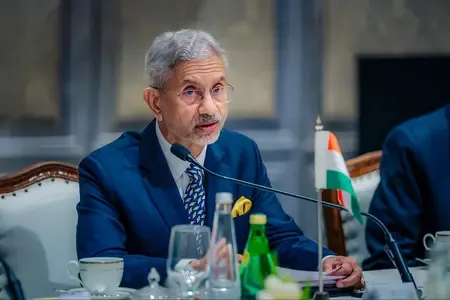
External Affairs Minister S.
Jaishankar is leading the Indian delegation at the two-day meeting.
Rubio called for collective coordination, saying practical cooperation could 'reinforce global stability' and benefit citizens across all G20 member nations.
India, as a major energy importer, has a direct stake in maritime security — issues also central to its own G20 presidency in 2023 .
US Secretary of State Marco Rubio on 30 October 2026 opened the G20 Foreign Ministers' Meeting in Atlanta with a stark warning that interconnected economic and geopolitical crises were imperilling global energy supplies, food markets, international trade, and freedom of navigation. Rubio called for collective action, urging the world's leading economies to strengthen resilience and protect the markets underpinning global growth.
Key Warning at Atlanta Summit
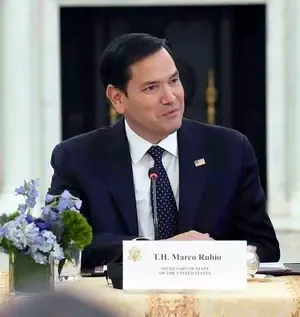
'We are facing a series of interconnected economic and geopolitical crisis, many of which pose severe threats,' Rubio told ministers gathered for the two-day meeting. He stressed that the challenges confronting the international community required responses that recognised their wider economic and geopolitical implications — a reflection of the broader agenda set under President Donald Trump's G20 presidency.
Rubio specifically identified disruptions to global energy and food supplies, international trade, supply chains, and freedom of navigation as the principal challenges facing G20 member nations. He urged foreign ministers to translate shared interests into 'practical cooperation and real action' to reinforce global stability and deliver meaningful results for citizens across member countries.
Freedom of Navigation and Food Security in Focus
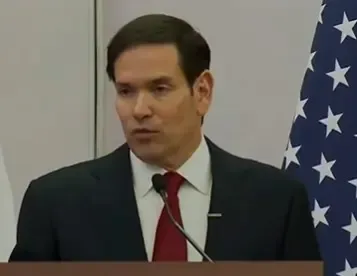
The opening plenary was structured around two themes that have grown increasingly critical to international economic security: freedom of navigation and food security. 'We're going to cover two issues in this plenary session, freedom of navigation and food security,' Rubio told the gathering, with each delegation given an opportunity to respond.
Freedom of navigation carries outsized weight because major maritime routes transport energy shipments, agricultural commodities, and manufactured goods essential to global supply chains. Disruptions can raise transport costs and delay delivery of critical commodities. Food security, meanwhile, is tightly linked to the movement of agricultural products, fertilisers, and energy — interruptions in which can drive up food prices, particularly in import-dependent economies.
India's Stake in the Discussions
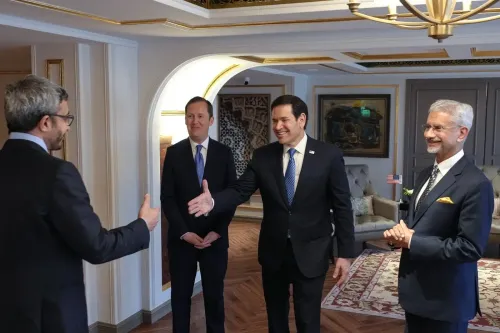
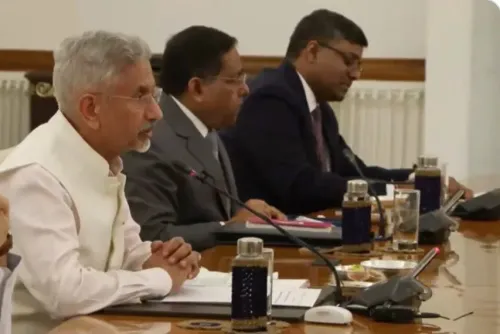
External Affairs Minister S. Jaishankar is leading the Indian delegation at the meeting. As a major energy importer and active participant in international trade, India has a direct stake in the security of maritime routes and the stability of global supply chains. These issues also featured prominently during India's own G20 presidency in 2023, underscoring New Delhi's sustained interest in multilateral frameworks for economic resilience.
Rubio's Call for Multilateral Coordination
Rubio placed particular emphasis on the responsibility of foreign ministers to coordinate responses before crises deepen. 'We are tasked, on behalf of the nations that we serve, to work together with one another to coordinate responses to emerging crisis and to protect our shared interests,' he said. He added that the Atlanta meeting could help establish conditions for greater geopolitical stability ahead of the G20 leaders' summit, where the economic prosperity agenda would receive further consideration.
This comes amid ongoing disruptions to Red Sea shipping and continued volatility in global energy markets, making the Atlanta meeting a critical diplomatic checkpoint for the world's largest economies.
Point of View
Whose actions are, by many accounts, among the proximate causes of the very disruptions he described. The decision to anchor the opening plenary around freedom of navigation and food security is also pointed: both are pressure points for the Global South, making them useful rhetorical tools for Washington to project leadership. For India, this is comfortable terrain — New Delhi has consistently championed supply-chain resilience and food security at multilateral forums, and Jaishankar's presence signals that India sees Atlanta as a platform to reinforce its own strategic equities. What remains to be seen is whether the meeting produces actionable commitments or another communiqué of well-worded intentions.
NationPress
30 Oct 2026
Frequently Asked Questions
What did Marco Rubio say at the G20 Foreign Ministers' Meeting in Atlanta?
Rubio warned G20 foreign ministers that interconnected economic and geopolitical crises posed severe threats to global energy supplies, food markets, international trade, and freedom of navigation. He urged collective coordination and practical cooperation to reinforce global stability.
Where and when is the G20 Foreign Ministers' Meeting taking place?
The G20 Foreign Ministers' Meeting is being held in Atlanta, United States, on 30 October 2026, as a two-day gathering of ministers from the world's leading economies.
Who is representing India at the G20 Foreign Ministers' Meeting?
External Affairs Minister S. Jaishankar is leading the Indian delegation at the Atlanta meeting. India has a direct interest in the discussions given its status as a major energy importer and active participant in international trade.
Why are freedom of navigation and food security the focus of the G20 meeting?
These two issues were placed at the centre of the opening plenary because they are increasingly critical to international economic security. Major maritime routes carry energy, food, and manufactured goods, while food security is closely tied to agricultural, fertiliser, and energy supply chains — both of which face ongoing disruption.
What is India's interest in the G20 discussions on energy and supply chains?
As a major energy importer and participant in global trade, India has a direct stake in secure maritime routes and stable supply chains. These issues were also central to India's own G20 presidency in 2023, reflecting New Delhi's consistent emphasis on multilateral economic resilience.