CM Shivakumar writes to Centre on sugarcane FRP, MSP
Synopsis
Karnataka CM D.K. Shivakumar has written to Union Minister Pralhad Joshi demanding ₹5,500/tonne sugarcane FRP under the Swaminathan C2+50% formula, a sugar MSP hike from ₹31 to ₹41.50/kg, restoration of the 9.5% base recovery rate, fair ethanol allocation and a revised revenue-sharing formula for farmers.
Key Takeaways
Shivakumar wrote to Union Minister Pralhad Joshi on 30 October 2026 outlining five demands for Karnataka's sugarcane farmers.
Farmers seek an FRP of ₹5,500 per tonne under the Swaminathan C2+50% formula, against the current ₹3,650 per tonne at 10.25% recovery.
Karnataka wants the base recovery rate restored to 9.5% , at which it recommends an FRP of ₹4,440 per tonne .
The sugar Minimum Selling Price has not changed since February 2019 ; the state wants it raised from ₹31 to ₹41.50 per kg .
Karnataka received only 117 crore litres of ethanol allocation in ESY 2025-26 against a capacity of 225 crore litres ; the state recommends prices of ₹73, ₹67 and ₹61 per litre.
The state cleared 99.85% of 2025-26 cane dues by 15 October 2026 and disbursed ₹290 crore as additional farmer support.
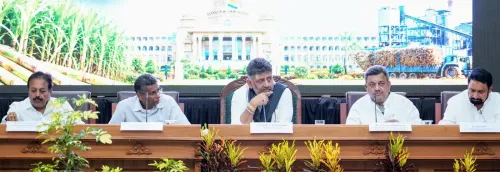
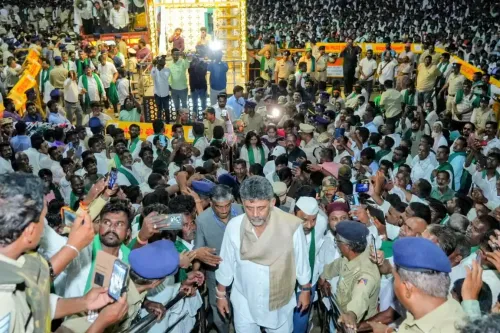
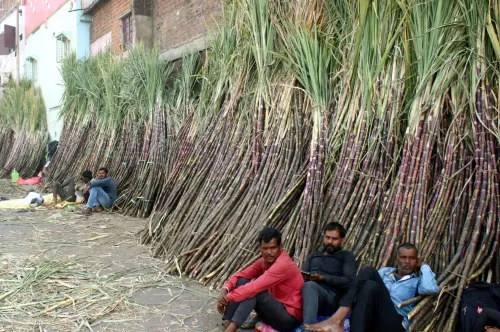
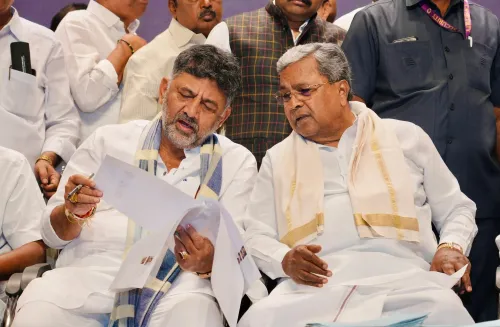
Karnataka's sugarcane farmers are caught between a price formula that hasn't moved in years and climate-hit fields that yield less sugar than the rules assume — and now Chief Minister D.K. Shivakumar has put that frustration in a formal letter to Union Minister Pralhad Joshi, demanding a sweeping reset of how the Centre prices their crop. The letter, announced by the Chief Minister's Office of Karnataka on Friday, 30 October 2026, lays out five specific demands that touch everything from the base Fair and Remunerative Price to ethanol allocation and sugar's long-frozen Minimum Selling Price.
The ₹1,850-per-tonne gap farmers are fighting to close
At the centre of the letter is a stark arithmetic grievance. The current central FRP stands at ₹3,650 per tonne at a 10.25% sugar recovery rate. Karnataka's farmers want ₹5,500 per tonne — a figure derived from the C2+50% formula recommended by the Dr. M.S. Swaminathan Commission in 2006, which factors in the full cost of cultivation including imputed family labour and land rent. That gap of roughly ₹1,850 per tonne is the financial chasm the state is asking New Delhi to bridge.
The letter also targets the recovery benchmark itself. At 10.25% recovery, many small and climate-affected farms in Karnataka fall short, meaning farmers are effectively penalised for geography and weather. Shivakumar has asked the Centre to restore the base recovery rate to 9.5% — the level Karnataka had itself recommended — at which the state's proposed FRP would be ₹4,440 per tonne, a more immediately achievable ask than the full Swaminathan number.
A sugar MSP frozen since February 2019
The Minimum Selling Price of sugar has not moved from ₹31 per kg since February 2019 — a stretch of more than seven years during which input costs, wages and fuel have all risen sharply. Karnataka wants it revised to ₹41.50 per kg. The MSP effectively sets a floor for mill revenues and, by extension, caps what mills can afford to pay farmers above the FRP; keeping it flat depresses the entire downstream chain.
Ethanol: a ₹225-crore-capacity sector receiving barely half its quota
Ethanol has become a critical second revenue stream for sugar mills under the National Policy on Biofuels 2018, which set aggressive blending targets. But Karnataka says its cane and molasses-based distilleries have a capacity of roughly 225 crore litres, yet received an allocation of only 117 crore litres in ESY 2025-26 — barely half. The state has recommended procurement prices of ₹73, ₹67 and ₹61 per litre for different feedstock grades and is urging a fair reallocation.
Linked to this is the revenue-sharing formula set by the Dr. C. Rangarajan Committee in 2012, which determines how ethanol profits are divided between mills and farmers. As ethanol revenues have grown, the formula has not kept pace, and the Chief Minister is asking the Centre to revisit it so farmers capture a proportionate share of the windfall.
What Karnataka has already delivered — and what it's watching next
Shivakumar's letter is not empty advocacy: it is backed by a state track record. He noted that 99.85% of 2025-26 cane dues had been cleared as of 15 October 2026. Mills had voluntarily paid ₹500–600 per tonne above FRP under farmer agreements, and the state government had channelled ₹290 crore as an additional ₹100 per tonne support. Transparency measures — NABL-accredited mill laboratories, digital weighment systems and fortnightly checks — are also in place. The state will separately review the approximately 8% deduction applied on machine-harvested cane in consultation with mills and farmers.
The consultations that preceded the letter were held at Suvarna Vidhana Soudha, Belagavi, and included a session with the committee chaired by economist Prof. Ramesh Chand. The Chief Minister has asked the Union Government to announce FRP both with and without harvesting and transportation charges, revise C-heavy ethanol prices, and review the ethanol directive after the February 2027 crop estimate — setting a clear calendar checkpoint for the next round of pressure.
Five demands, seven years of frozen sugar pricing, and a crop estimate due in four months: the sugarcane standoff between Bengaluru and New Delhi just got a formal deadline to meet.
Point of View
Which successive central governments have acknowledged but never fully implemented, making the letter simultaneously a policy intervention and an accountability document. The February 2027 crop-estimate deadline Shivakumar has proposed is tactically significant: it forces the Centre to respond on a specific calendar rather than defer indefinitely. If the Union Government does not act before the next crushing season, Karnataka has already established its paper trail for voter-facing messaging in cane-belt constituencies.
NationPress
30 Oct 2026
Frequently Asked Questions
What is the current FRP for sugarcane and what is Karnataka demanding?
The current central Fair and Remunerative Price (FRP) for sugarcane is ₹3,650 per tonne at a 10.25% recovery rate. Karnataka is demanding ₹5,500 per tonne based on the Swaminathan Commission's C2+50% formula, and also recommends ₹4,440 per tonne if the base recovery rate is restored to 9.5%.
What is the Swaminathan Commission's C2+50% formula?
The Dr. M.S. Swaminathan Commission in 2006 recommended that crop support prices be set at C2+50%, where C2 is the comprehensive cost of cultivation including imputed rent on land and family labour. Adding a 50% profit margin on top is intended to ensure genuinely remunerative prices for farmers.
Why hasn't the sugar MSP changed since 2019?
The Minimum Selling Price of sugar was fixed at ₹31 per kg in February 2019 by the central government and has not been revised since. Karnataka argues this freeze depresses mill revenues and limits what mills can pay farmers above the FRP.
What is the ethanol allocation dispute between Karnataka and the Centre?
Karnataka's cane and molasses-based distilleries have a combined capacity of roughly 225 crore litres , but the state received an allocation of only 117 crore litres in Ethanol Supply Year 2025-26 — less than half. Karnataka wants a fair reallocation and has recommended procurement prices of ₹73, ₹67 and ₹61 per litre for different feedstocks.
Has Karnataka paid all sugarcane dues to farmers?
Yes, the Chief Minister's letter stated that 99.85% of 2025-26 cane dues had been cleared as of 15 October 2026 . Mills paid ₹500–600 per tonne above FRP under agreements, and the state government disbursed ₹290 crore as an additional ₹100 per tonne support.