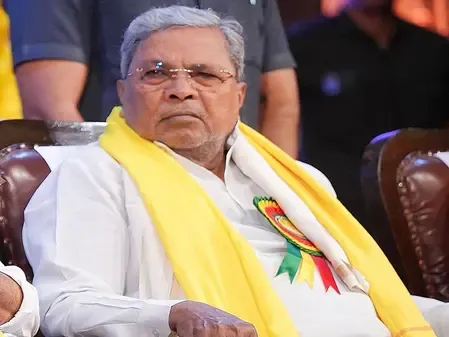
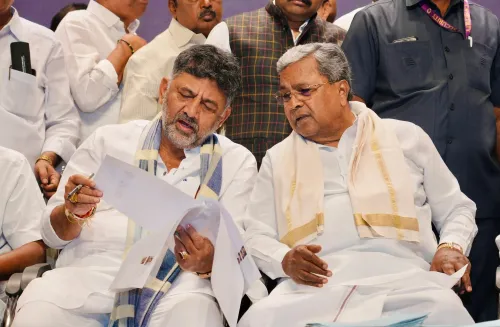
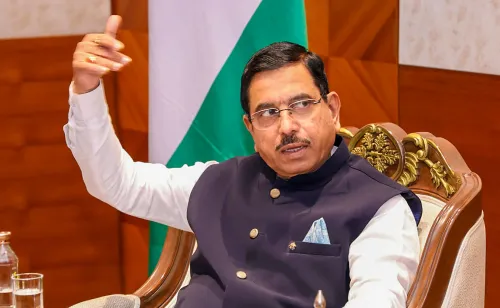
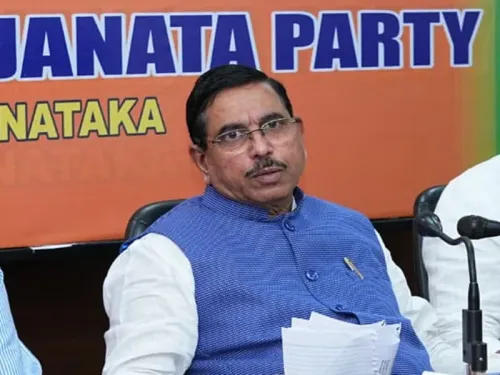
Karnataka CM Shivakumar writes to PM Modi over sugarcane farmers' agitation in North Karnataka
Synopsis
Karnataka's crushing season is stalled — and Chief Minister Shivakumar has escalated directly to PM Modi. With mature sugarcane unharvested in North Karnataka fields, road blockades disrupting public life, and five key demands that only the Centre can address, the letter is both a political pressure move and a cry for economic relief for lakhs of farmers.
Key Takeaways
Shivakumar wrote to PM Narendra Modi on 19 October 2026 seeking urgent intervention on sugarcane farmers' demands.
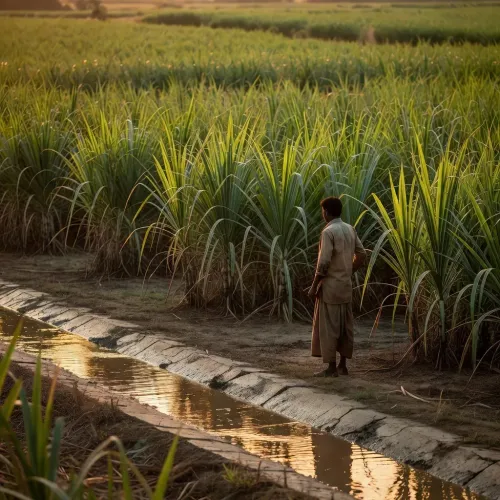
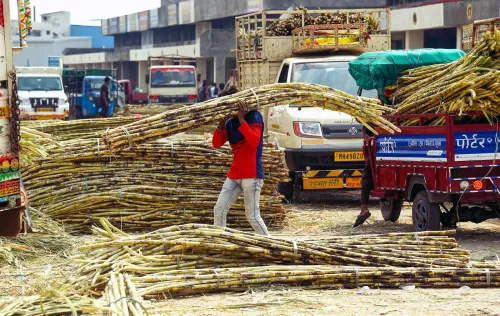
The crushing season in North Karnataka has not commenced, with mature sugarcane standing unharvested in fields.
Sugar MSP has been frozen at ₹31 per kg since 14 February 2019 , even as FRP rose from ₹2,750 to ₹3,650 per tonne .
Karnataka sought restoration of the FRP base recovery rate to 9.50% from the current 10.25% and review of cane-based ethanol exclusions from the 2026-27 procurement tender .
The state has paid approximately ₹290 crore directly to farmers as additional price support and lifted average sugar recovery to 11.09% in 2025-26.
The Union government's Ramesh Chand committee , constituted on 14 October , is examining the sugar sector, but Karnataka has urged action ahead of the panel's final report.
Karnataka Chief Minister D.K. Shivakumar has written a three-page letter to Prime Minister Narendra Modi seeking urgent intervention to resolve the ongoing sugarcane farmers' agitation in North Karnataka, which has stalled the start of the crushing season across the region. The letter, dispatched on Monday, 19 October 2026, lists five key demands that the Chief Minister says fall squarely within the Centre's jurisdiction.
The Demands on the Table
Chief Minister Shivakumar urged the Centre to revise the Minimum Selling Price (MSP) of sugar, which has been frozen at ₹31 per kg since 14 February 2019, even as the Fair and Remunerative Price (FRP) payable to farmers has risen from ₹2,750 to ₹3,650 per tonne over the same period. He argued that mills cannot afford to pay farmers a fair price when the selling price of sugar has not kept pace with input costs.
The Chief Minister also called for separate MSPs for domestic and commercial sugar — a measure aimed at shielding household consumers while ensuring bulk commercial buyers pay a fair rate. Additionally, he sought a review of the exclusion of cane-based ethanol — produced from sugarcane juice, sugar syrup, and B-heavy molasses — from an oil marketing companies' procurement tender issued on 16 October for the Ethanol Supply Year 2026-27. Only ethanol from C-heavy molasses remained eligible under that tender. Karnataka has an annual cane-based ethanol production capacity of 225 crore litres, and the exclusion, Shivakumar warned, could squeeze mill revenues and delay payments to farmers.
He further sought upward revision of ethanol prices for products derived from sugarcane juice and B-heavy molasses, which have remained unchanged since 2022-23, even as grain-based ethanol prices have been revised upward in subsequent years. The fifth demand was the restoration of the FRP base recovery rate to 9.50 per cent from the current 10.25 per cent, arguing that recovery levels depend on soil, climate, and crushing timing — factors beyond farmers' control — making it unjust to penalise growers in low-recovery areas.
The Ground Situation in North Karnataka
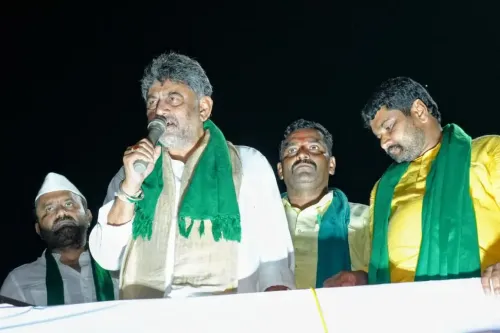
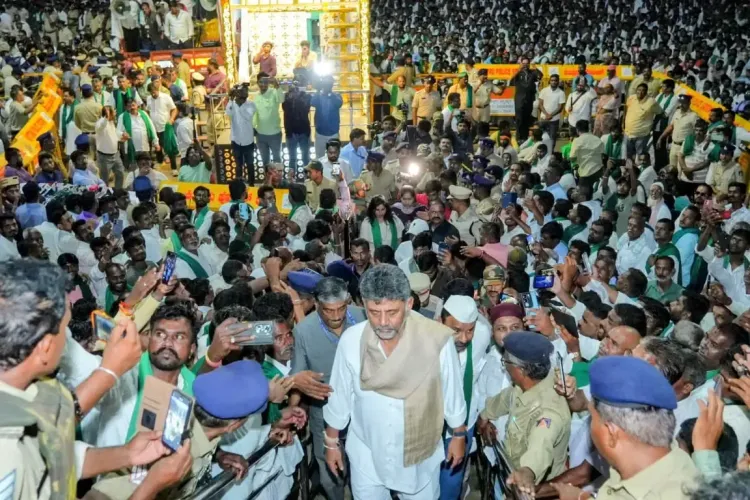
Sugarcane farmers in North Karnataka have been holding protests, conducting padayatras from multiple towns towards Hubballi, and blocking roads at several locations. Their stated aim was to gherao the residence of Union Minister Pralhad Joshi. The Karnataka High Court has since issued directions restraining that particular protest at Joshi's residence.
Shivakumar visited Kittur in Belagavi district on 17 October and personally appealed to farmers to withdraw the padayatra, but the farmers held firm, insisting their demands could only be addressed by the Union government. The Chief Minister described the situation as 'grave', noting that mature sugarcane was standing unharvested in fields, with every day of delay causing losses in cane weight and sugar content.
What Karnataka Has Already Done
The letter details steps taken by the state government within its own powers. Under a government order dated 27 November 2023, the Legal Metrology Department issued a Standard Operating Procedure to curb irregularities at sugar mill weighbridges. All 81 operational mills have transitioned from analogue to digital load cells, and district-level inspection teams have been mandated to visit each mill at least twice a month during the 2025-26 season.
These reforms reportedly helped lift average sugar recovery from 9.91 per cent in 2022-23 to 11.09 per cent in 2025-26. The state also ensured an additional ₹100 per tonne over the price agreed with mills, bearing ₹50 per tonne itself, with approximately ₹290 crore paid directly to farmers.
Centre's Committee and the Push for Faster Action
Karnataka welcomed the committee constituted by the Union government on 14 October under former NITI Aayog member Ramesh Chand to examine issues relating to sugarcane farmers and the sugar sector. However, Shivakumar stressed that urgent decisions were necessary even as the committee continued its deliberations, arguing that waiting for the panel's final report would leave farmers in the lurch through the current season.
The Chief Minister concluded by urging Prime Minister Modi to make a clear and timely announcement on the five demands, saying that such a signal would enable the state government to persuade farmers to call off the agitation and allow the crushing season to begin without further delay — a decision he said was critical for lakhs of sugarcane farmers across Karnataka.
Point of View
A structural squeeze that no state-level measure can fix. The exclusion of cane-based ethanol from the new supply year tender is particularly glaring: if grain-based ethanol prices are revised annually while cane-based prices are frozen, the Centre is effectively tilting its own blending programme against sugar states like Karnataka. The Ramesh Chand committee is a useful deferral mechanism, but with the crushing season already delayed, a seasonal window is closing fast — and the cost of inaction will be counted in tonnes of unharvested cane, not committee pages.
NationPress
19 Oct 2026
Frequently Asked Questions
Why are sugarcane farmers protesting in North Karnataka?
Sugarcane farmers in North Karnataka are protesting because their key demands — including revision of the sugar MSP, restoration of the FRP base recovery rate, and fair ethanol pricing — fall within the Union government's jurisdiction and have not been addressed. The agitation has delayed the start of the crushing season, leaving mature cane standing unharvested in fields.
What are the five demands Karnataka CM Shivakumar raised with PM Modi?
The five demands are: revision of the sugar MSP (frozen at ₹31 per kg since 2019); separate MSPs for domestic and commercial sugar; review of the exclusion of cane-based ethanol from the 2026-27 procurement tender; upward revision of ethanol prices for sugarcane juice and B-heavy molasses-based products; and restoration of the FRP base recovery rate to 9.50% from 10.25%.
What is the current sugar MSP and why is it controversial?
The Minimum Selling Price of sugar has remained at ₹31 per kg since 14 February 2019. During the same period, the Fair and Remunerative Price paid to sugarcane farmers has risen from ₹2,750 to ₹3,650 per tonne. Critics argue this frozen MSP prevents mills from paying farmers adequately.
What has the Karnataka government done to support sugarcane farmers on its own?
Karnataka has ensured an additional ₹100 per tonne over the mill-agreed price, bearing ₹50 per tonne itself and paying approximately ₹290 crore directly to farmers. It has also moved all 81 operational mills to digital load cells, introduced district-level recovery inspections, and achieved average sugar recovery of 11.09% in 2025-26, up from 9.91% in 2022-23.
What is the Ramesh Chand committee and will it resolve the crisis?
The Union government constituted a committee on 14 October 2026 under former NITI Aayog member Ramesh Chand to examine issues concerning sugarcane farmers and the sugar sector. Karnataka has said it will participate fully, but CM Shivakumar has urged the Centre to take urgent decisions even before the committee concludes its work, given the ongoing crushing season delay.