CM Shivakumar Writes to PM Modi on Karnataka Sugarcane Farmers
Synopsis
Karnataka CM D.K. Shivakumar has written to PM Modi demanding the Centre revise sugar MSP from ₹31/kg, create separate domestic-commercial MSPs, fix ethanol procurement exclusions, raise ethanol prices and restore FRP base recovery to 9.50% before the North Karnataka crushing season begins.
Key Takeaways
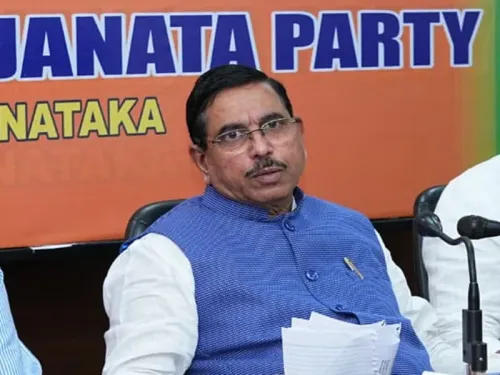
Shivakumar wrote to PM Narendra Modi on 19 October 2026 seeking urgent Central action for Karnataka's sugarcane farmers.
The letter demands the sugar MSP be revised upward from its ₹31 per kg level, unchanged since 2019 .
Separate MSPs for domestic and commercial sugar are proposed to balance consumer protection with fair mill pricing.
Karnataka wants ethanol procurement exclusions reviewed and cane-based ethanol prices raised under the Ethanol Blending Programme .
The FRP base recovery rate must be restored to 9.50% to protect farmers in low-recovery regions such as North Karnataka .
The state says it has already improved weighment transparency, recovery testing and farmer financial support within its own powers.
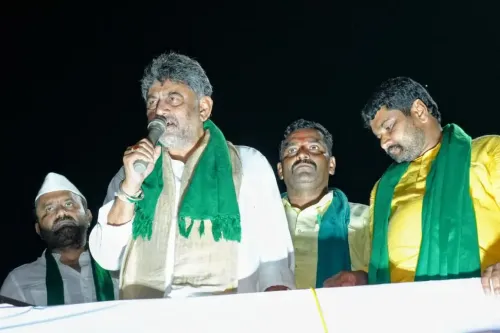
With the crushing season on the line and North Karnataka's sugarcane belt bracing for another difficult year, Chief Minister D.K. Shivakumar has fired off a formal letter to Prime Minister Narendra Modi, demanding urgent Central action on five fronts that farmers and mills say will make or break the 2026-27 season.
The Five Demands on Modi's Desk
At the heart of Shivakumar's letter is the sugar Minimum Selling Price, frozen at ₹31 per kg since 2019 — a figure the Karnataka government argues is deeply out of step with the rising cost of growing cane. The CM has asked the Union Government to revise it upward without delay. Alongside that, the letter calls for a structural split: separate MSPs for domestic sugar and commercial sugar, so household consumers are not squeezed while bulk buyers pay a price that reflects real market conditions.
The third and fourth demands target the Ethanol Blending Programme, the national initiative that turned sugarcane juice, sugar syrup and B-heavy molasses into a revenue lifeline for mills — and, by extension, for farmers. Karnataka wants the Centre to review procurement exclusions that have left certain ethanol streams unfairly sidelined, and to raise cane-based ethanol prices in line with rising input costs. Together, the two asks reflect a broader anxiety: that the blending programme's promise is being diluted just as mills need it most.
The fifth demand is perhaps the most technically significant. The letter calls for restoring the Fair and Remunerative Price (FRP) base recovery rate to 9.50% — the historic benchmark that determines how much mills must pay farmers per tonne of cane. In low-recovery regions, a depressed base rate can legally allow mills to pay less, hitting farmers in precisely the zones, like parts of North Karnataka, where yields are already under pressure.
What Karnataka Has Already Done — and Why It Is Not Enough
Shivakumar's office was careful to note that the state has not been a passive bystander. The Karnataka government says it has moved to tighten weighment transparency, strengthen sugar recovery testing at mills, and extend additional financial support to farmers — all within the limits of state authority. The implicit message is pointed: the state has done its part; the Centre must now do its own.
That framing reflects a familiar pattern in Indian sugar politics. States set the pace of the crushing calendar and police mill conduct, but the big pricing levers — MSP, FRP, ethanol procurement prices — sit firmly with New Delhi. When those levers stay stuck, even a well-run state programme cannot fully protect farmer incomes.
North Karnataka's Crushing Season and the Ticking Clock
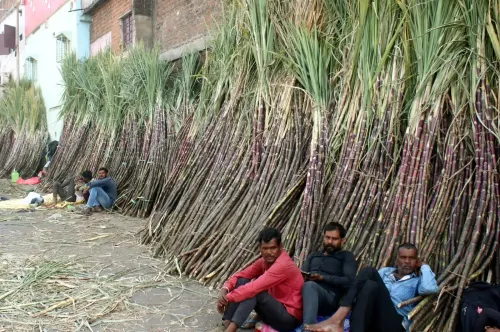
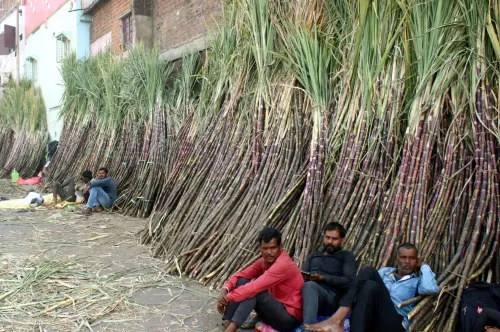
The timing of the letter is not incidental. The crushing season in North Karnataka — a major sugarcane belt — is poised to begin, and delays have repeatedly eaten into farmer revenues in past years. If Central pricing signals do not arrive before mills start operations, the entire season's economics get locked in at rates farmers and the state government consider unfair.
The Union Food Ministry's response — whether a revision to sugar MSP, a fresh look at ethanol procurement rules, or a Cabinet-level FRP review — will set the terms for hundreds of thousands of cane growers across the state. With the season opening imminent, the clock is running.
Point of View
Where states hold operational authority but pricing power is entirely federal — forcing state governments to go public with demands in order to build political costs around inaction. The five demands are technically coherent and touch real policy gaps: a seven-year-old sugar MSP freeze, ethanol procurement loopholes and an FRP base rate that disproportionately burdens low-recovery belts. With the Karnataka Congress government's rural credibility at stake ahead of local body elections, the political incentive to be seen fighting for farmers is as strong as the policy case — and the Centre will feel pressure to at least signal a response before the crushing season locks in this year's economics.
NationPress
19 Oct 2026
Frequently Asked Questions
What is the current sugar MSP and why does Karnataka want it changed?
The sugar Minimum Selling Price has been fixed at ₹31 per kg since 2019 . Karnataka argues that input costs for growing sugarcane have risen significantly since then, making the current MSP unfair to farmers and mills alike.
What is the FRP base recovery rate and why does 9.50% matter?
The Fair and Remunerative Price (FRP) is the minimum cane price mills must pay farmers, linked to the sugar recovery rate from cane. A base rate of 9.50% protects farmers in low-recovery regions; if the base is lowered, mills can legally pay less per tonne, directly cutting farmer income.
Why is the ethanol blending programme important for Karnataka sugarcane farmers?
The Ethanol Blending Programme allows mills to produce ethanol from sugarcane juice, sugar syrup and B-heavy molasses and sell it to oil companies, providing an additional revenue stream. Karnataka wants procurement exclusions removed and prices raised so mills — and therefore farmers — benefit more from the scheme.
What is the crushing season and why does its start matter?
The crushing season is when sugar mills process harvested sugarcane into sugar. In North Karnataka , delays in starting the season have repeatedly reduced farmer incomes; locking in low Central prices before the season begins compounds those losses for the entire year.
What steps has the Karnataka government already taken for sugarcane farmers?
The Karnataka government says it has improved transparency in cane weighment, strengthened sugar recovery testing at mills, and extended additional financial support to farmers — measures within state jurisdiction. It is now pressing the Union Government to act on the pricing and ethanol levers that only the Centre controls.