Maharashtra CM Fadnavis seeks loan restructuring, MSP hike for sugar industry
Synopsis
Maharashtra's sugar sector is bleeding — production costs have hit ₹43/kg while the MSP stays frozen at ₹31/kg, farmer dues have crossed ₹10,000 crore, and ethanol's sugarcane share has collapsed from 90% to under 30%. CM Fadnavis took the crisis directly to Amit Shah on 27 May, with a 10-day deadline now on the clock.
Key Takeaways
CM Devendra Fadnavis led a delegation to meet Union Minister Amit Shah in New Delhi on 27 May 2026 over the sugar industry crisis.
The delegation demanded an MSP hike from ₹31 per kg to ₹43 per kg , citing verified production costs of ₹42–43 per kg .
Sugarcane FRP has risen 29.49 per cent since the last MSP revision — from ₹2,750/tonne in 2018–19 to ₹3,650/tonne in 2026–27.
Outstanding dues to sugarcane farmers have crossed ₹10,000 crore .
The delegation sought loan restructuring with a two-year moratorium and 10–12 year repayment period on all dues as of 31 March 2026 .
Amit Shah reportedly assured action within 10 days .
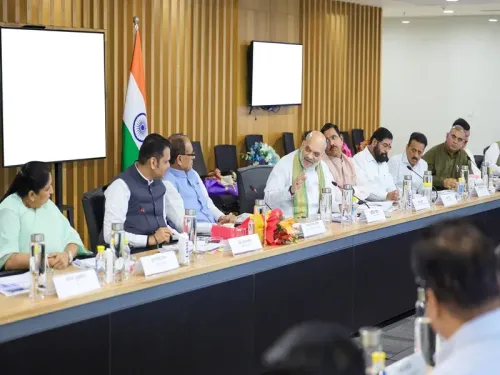
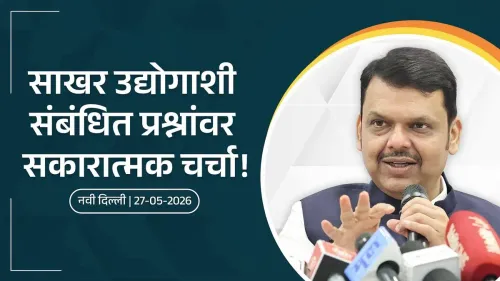
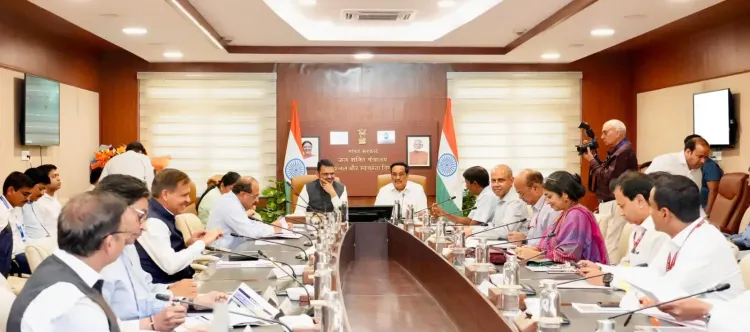
Maharashtra Chief Minister Devendra Fadnavis led a high-level delegation of ministers and sugar industry leaders to New Delhi on Wednesday, 27 May, urging the Centre to intervene in a deepening financial crisis gripping the state's sugar sector. The delegation met Union Minister of Cooperation Amit Shah, presenting a comprehensive set of demands ranging from loan restructuring to a sharp revision in the Minimum Selling Price (MSP) of sugar.
Key Demands Before the Centre
The delegation, which also included former Cooperation Minister Dilip Walse Patil, placed several urgent demands before the Union government. These included a special loan restructuring scheme for sugar mills, an MSP hike for sugar, 100 per cent ethanol procurement allocation for Maharashtra — amounting to 424 crore litres annually — dual pricing for bulk and household sugar consumers, linking of the Fair and Remunerative Price (FRP) with the MSP, and lifting the current ban on sugar exports.
The MSP Gap: Production Costs Outpacing Prices
At the heart of the crisis is a widening gap between production costs and the prevailing MSP. The delegation argued that the MSP for sugar must be raised from the current ₹31 per kg to ₹43 per kg, as the actual cost of production has climbed to approximately ₹42–43 per kg — a figure verified by chartered accountants — owing to rising FRP, wages, energy, transport, fuel, chemicals, and financial expenses.
Notably, the sugarcane FRP has risen from ₹2,750 per tonne in 2018–19 to ₹3,650 per tonne in 2026–27 — an increase of roughly 29.49 per cent — while the sugar MSP has remained unchanged over the same period. The delegation contended that the MSP revision is unlikely to significantly impact the Consumer Price Index at current retail prices, and could in fact generate additional GST revenue for the government.
Ethanol Programme Under Strain
The delegation flagged that ethanol production from B-Heavy Molasses and Sugarcane Juice/Syrup has become financially unviable because procurement prices have not kept pace with rising input costs. Sugar mills have made substantial capital investments in ethanol plants to support the government's 20 per cent ethanol blending target, yet the share of sugarcane-based ethanol in total supply has fallen from nearly 90 per cent in the programme's early years to below 30 per cent today.
The delegation requested that the price of B-Heavy Molasses-based ethanol be fixed at ₹67 per litre and Sugarcane Juice/Syrup-based ethanol at ₹72 per litre. It also sought a balanced allocation between sugarcane-based and grain-based ethanol, emphasising that cooperative sugar mills — which are farmer-owned — return ethanol profits to growers through higher sugarcane prices.
Loan Restructuring and Export Relief
Given the sector's financial stress, the delegation called for restructuring all outstanding loans to cooperative sugar mills as of 31 March 2026, with a two-year moratorium and a repayment window of 10 to 12 years. Interest subvention on the lines of earlier soft loan schemes such as SEFASU was also sought.
On exports, the delegation warned that the recently imposed restrictions are disrupting pre-existing international contracts, straining trade relationships and squeezing mill cash flows. It requested that exports contracted prior to the restrictions for the 2025–26 season be permitted to proceed, so that mills can honour commitments and maintain liquidity for farmer payments.
Farmer Dues Cross ₹10,000 Crore
The cumulative financial pressure has pushed outstanding dues to sugarcane farmers above ₹10,000 crore, which the delegation described as a matter of grave concern. While mills are prioritising farmer payments, restricted cash flows have made it difficult to clear dues to employees, transporters, vendors, and banks.
According to CM Fadnavis and Walse Patil, Union Minister Amit Shah assured the delegation that he would sympathetically examine the issues raised and take action within the next 10 days. The sugar industry will be watching closely to see whether that commitment translates into policy movement before the next crushing season begins.
Point of View
But the numbers now make the policy inaction harder to defend. An MSP frozen at ₹31/kg against a verified production cost of ₹43/kg is a structural subsidy in reverse — mills absorb losses while the Centre defers revision. The FRP-MSP decoupling, left unaddressed since 2018–19, has quietly transferred the burden of sugarcane price support from the government to the mills, and ultimately to farmers in the form of delayed payments. The ethanol pivot — once positioned as a lifeline for surplus sugar — has been diluted by grain-based competition, leaving mill capacity stranded. Amit Shah's 10-day assurance is a familiar political gesture in an election-proximate state; what the industry needs is a formula-linked MSP revision mechanism, not another round of sympathetic listening.
NationPress
11 Oct 2026
Frequently Asked Questions
What did Maharashtra CM Devendra Fadnavis demand for the sugar industry?
CM Fadnavis led a delegation to New Delhi on 27 May 2026 demanding an MSP hike from ₹31/kg to ₹43/kg, loan restructuring with a two-year moratorium, 100 per cent ethanol allocation for Maharashtra, lifting of the sugar export ban, and linking of FRP with MSP. The delegation also sought dual pricing for bulk and household sugar consumers.
Why is the Maharashtra sugar industry in a financial crisis?
The sugar MSP has remained at ₹31/kg while production costs have risen to approximately ₹42–43/kg, verified by chartered accountants. Sugarcane FRP has increased 29.49 per cent since the last MSP revision, and ethanol procurement prices have not kept pace with rising input costs, making production financially unviable for many mills.
How much do sugar mills owe to sugarcane farmers?
Outstanding dues to sugarcane farmers have risen to over ₹10,000 crore, according to the delegation. Mills are prioritising farmer payments but face restricted cash flows that make it difficult to clear dues to employees, transporters, vendors, and banks simultaneously.
What loan restructuring did the delegation seek from the Centre?
The delegation requested restructuring of all outstanding cooperative sugar mill loans as of 31 March 2026, with a two-year moratorium and a repayment period of 10 to 12 years. It also sought interest subvention on the lines of earlier schemes such as SEFASU.
What was the Centre's response to the Maharashtra sugar industry demands?
Union Minister of Cooperation Amit Shah reportedly assured CM Fadnavis and former Cooperation Minister Dilip Walse Patil that he would sympathetically examine the issues raised and take action within the next 10 days. No formal policy announcement was made at the meeting.