Multi-state cooperative model to revamp India's sugar sector
Synopsis
India's Ministry of Cooperation is pushing a first-of-its-kind multi-state cooperative model for the sugar sector, bringing together 31 mills from Maharashtra and Karnataka under a circular economy framework that could turn by-products into high-value outputs and reduce fuel dependency — a structural bet on rural industrial transformation.
Key Takeaways
The Ministry of Cooperation proposed a multi-state cooperative society to transform India's sugar sector on 28 May 2025 .
Around 31 cooperative sugar mills from Maharashtra's Kolhapur, Solapur, and Sangli districts and Karnataka's Belagavi district participated in the discussions.
The model targets conversion of sugar by-products into higher-value outputs and greater use of green energy and bio-based chemicals .
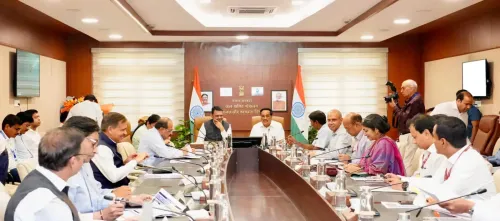
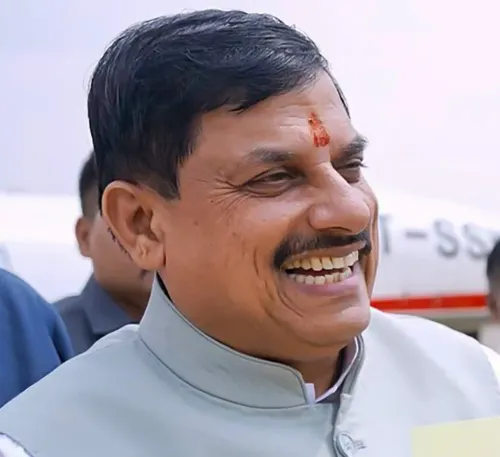
The event was chaired by Union Minister of State Murlidhar Mohol and organised by NCDC's Pune regional office at VAMNICOM, Pune .
Raman Kumar , Joint Secretary, Ministry of Cooperation, identified Maharashtra as a potential lead state for scaling the model.
The Ministry of Cooperation on 28 May 2025 outlined plans to build a circular economy-based framework for India's sugar sector through the proposed formation of a multi-state cooperative society, aimed at strengthening cooperative sugar mills, improving sustainability, and unlocking additional revenue from industry by-products. The initiative signals a significant structural push to modernise rural sugar cooperatives under a unified national model.
What Was Discussed
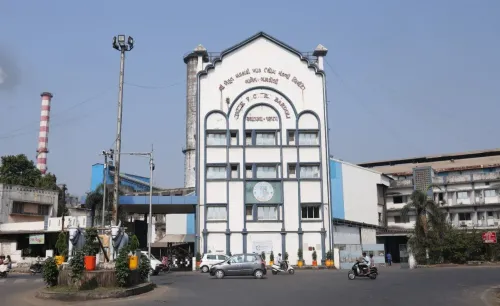
The proposal was deliberated at a programme titled 'Promoting Circular Economy in the Sugar Sector through Formation of a Multi-State Cooperative Society', organised by the Pune regional office of the National Cooperative Development Corporation (NCDC) at the Vaikunth Mehta National Institute of Cooperative Management (VAMNICOM), Pune. The event was chaired by Union Minister of State for Cooperation and Civil Aviation Murlidhar Mohol and attended by senior ministry officials, representatives of Indian Potash Limited, and members of cooperative sugar mills.
Around 31 cooperative sugar mills from Maharashtra's Kolhapur, Solapur, and Sangli districts, along with representatives from Karnataka's Belagavi district, participated in the deliberations.
What the Government Said
Addressing the gathering, Mohol said the objective was to give practical shape to the growth of cooperative sugar mills through an integrated circular economy model under the proposed multi-state cooperative framework. He noted that such a structure could generate opportunities for converting sugar industry by-products into higher-value products while strengthening rural industrial ecosystems.
Mohol added that increased use of green energy and bio-based chemicals under the proposed model could help reduce fuel consumption and improve long-term sustainability in the sector.
Key Presentations and Official Positions
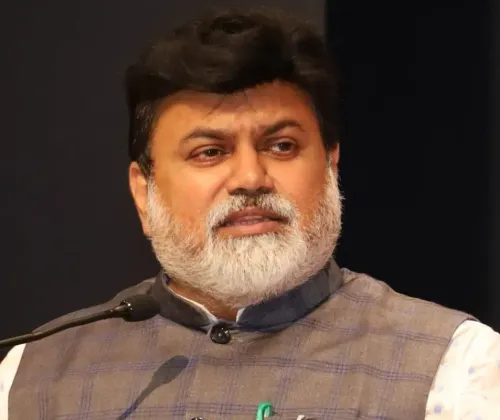
Indian Potash Limited presented details of the proposed initiative, highlighting existing challenges facing the sugar sector and the potential benefits of forming a multi-state cooperative society. Raman Kumar, Joint Secretary in the Ministry of Cooperation, observed that Maharashtra, with its strong cooperative ecosystem, could play a pivotal role in adopting and scaling such a model across other states.
Broader Policy Context
The programme also included open discussions with cooperative sugar mill representatives, who raised queries and concerns related to the proposed framework. This comes amid the government's wider push to expand cooperative-led models across sectors as part of efforts to strengthen rural economic ecosystems and farmer-centric institutions. Notably, the sugar sector — a major employer in rural Maharashtra and Karnataka — has long grappled with issues of price volatility, by-product waste, and limited value addition at the mill level. A circular economy model, if implemented, could address several of these structural bottlenecks simultaneously.
The Ministry of Cooperation is expected to advance the framework further, with Maharashtra's cooperative network likely to serve as the pilot for any national rollout.
Point of View
But India has a mixed record on scaling cooperative frameworks beyond their home states. Maharashtra's sugar cooperatives are politically powerful and structurally entrenched — their willingness to cede autonomy to a national body will be the real test. The circular economy framing is sound in principle; by-products like bagasse, molasses, and press mud remain chronically underutilised. But without clear governance structures, revenue-sharing norms, and an enforcement mechanism, this risks becoming another well-attended workshop that stops short of implementation.
NationPress
11 Oct 2026
Frequently Asked Questions
What is the multi-state cooperative society proposed for India's sugar sector?
It is a proposed national cooperative body that would bring together cooperative sugar mills from multiple states under a single circular economy framework, enabling joint processing of by-products, adoption of green energy, and collective value addition. The initiative is being driven by the Ministry of Cooperation through the NCDC.
Which states and mills were part of the initial discussions?
Around 31 cooperative sugar mills from Maharashtra's Kolhapur, Solapur, and Sangli districts, as well as representatives from Karnataka's Belagavi district, participated in the programme held at VAMNICOM, Pune on 28 May 2025.
What are the key benefits of a circular economy model for sugar mills?
The model aims to convert sugar industry by-products — such as bagasse, molasses, and press mud — into higher-value products, reduce fuel consumption through green energy adoption, and improve overall sustainability. It also targets additional revenue streams for cooperative mills and stronger rural industrial ecosystems.
Who chaired the programme and which organisations were represented?
The programme was chaired by Union Minister of State for Cooperation and Civil Aviation Murlidhar Mohol. Senior officials from the Ministry of Cooperation, representatives of Indian Potash Limited, and members of cooperative sugar mills attended the event.
What happens next with this proposal?
The Ministry of Cooperation is expected to advance the framework further, with Maharashtra's cooperative network likely serving as the pilot for a broader national rollout. No formal timeline has been announced yet.