Gadkari at Pune: Sugar Industry Is Becoming Energy Industry
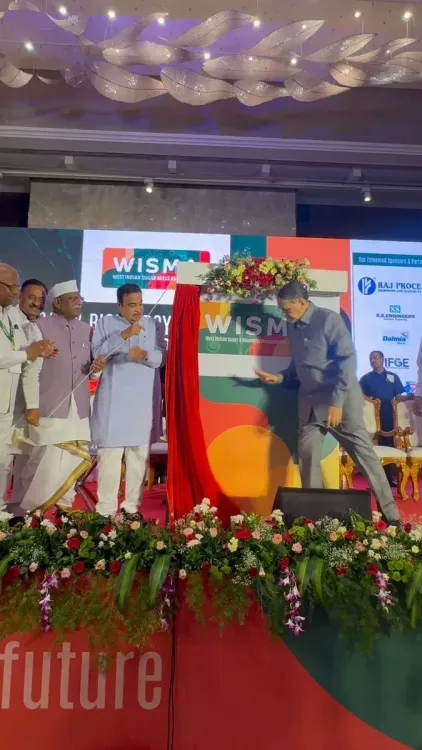
Synopsis
Union Minister Nitin Gadkari told the WISMA Sugar and Bioenergy Conference in Pune on 30 May 2026 that India's sugar mills are evolving into full-spectrum energy producers — generating ethanol, bio-CNG, and green hydrogen — and that farmers are now energy providers as much as food providers.
Key Takeaways
Gadkari addressed the WISMA Sugar and Bioenergy Conference in Pune on 30 May 2026 .
He stated that Maharashtra's sugar industry has been a major driver of rural employment and village development.
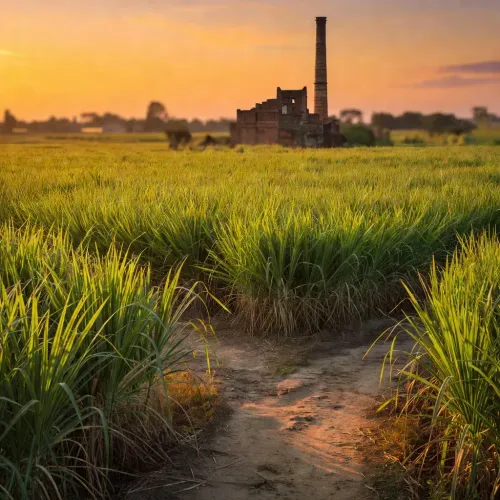
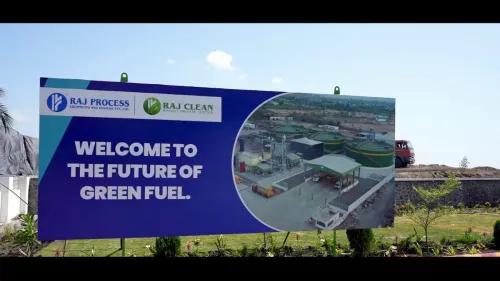
Sugar mills are now producing ethanol, electricity, bio-CNG, and green hydrogen alongside sugar.
Gadkari declared that India's farmers have become 'energy providers' ( ऊर्जादाता ) in addition to food providers.
India crossed 10 percent ethanol blending in petrol in 2022 , ahead of the original schedule, underpinned by the National Policy on Biofuels, 2018 .
Gadkari called for collaboration among farmers, industry, and R&D institutions to strengthen the economy through bioenergy.
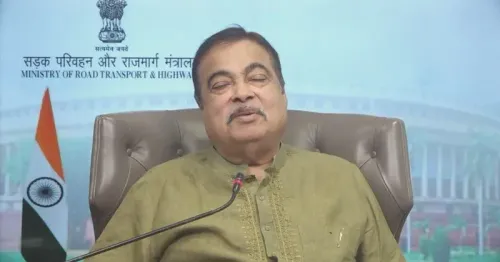
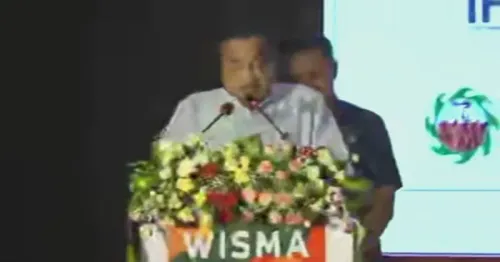
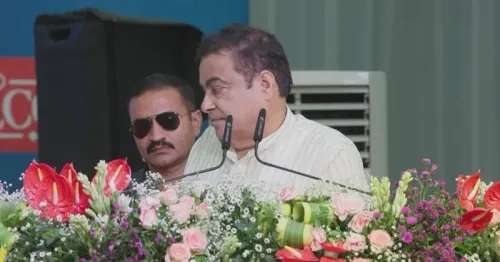
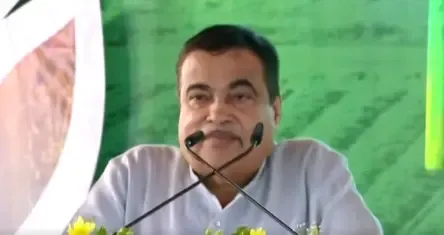
Union Road Transport and Highways Minister Nitin Gadkari addressed the WISMA Sugar and Bioenergy Conference organised by the West Indian Sugar Mills Association (WISMA) in Pune on Saturday, 30 May 2026, calling on the sugar sector to fully embrace its role as a bioenergy platform and urging farmers, industry, and research institutions to work in concert to drive the country's energy self-reliance.
Context
Addressing a gathering that included Rajasthan Governor Haribhau Bagade, Maharashtra Cooperation Minister Babasaheb Patil, Dilip Walse-Patil, WISMA President B. B. Thombre, Sugar Commissioner Sanjay Kolte, and Member of Parliament Bajrang Sonawane, Gadkari underscored the transformative contribution of Maharashtra's sugar industry to rural livelihoods. 'महाराष्ट्रातील साखर उद्योगाने ग्रामीण अर्थव्यवस्थेला मोठी ताकद दिली आहे' ['Maharashtra's sugar industry has given great strength to the rural economy'], he said, noting that sugar factories have generated large-scale employment and accelerated village development.
Policy Backdrop
Gadkari highlighted that biofuel use in India is rising as an alternative to petrol and diesel, and that sugar mills are now producing not just sugar but also ethanol, electricity, bio-CNG, and green hydrogen. He declared that the Indian farmer has evolved from being an 'अन्नदाता' ['food provider'] to also becoming an 'ऊर्जादाता' ['energy provider'], capable of contributing significantly to national energy independence through sugarcane-derived fuels.
This framing aligns with a decade-long policy arc. The National Policy on Biofuels, 2018 expanded feedstock options and set progressive blending targets. India crossed the 10 percent ethanol blending milestone in 2022, ahead of schedule, after a 2019 decision permitted mills to divert sugarcane juice and B-heavy molasses directly for ethanol production — moves that stabilised cane arrears and boosted mill revenues.
Stakeholders and Impact
For Maharashtra's sugarcane farmers — the state is India's second-largest sugar producer — the pivot to bioenergy offers a more stable income stream beyond the volatile sugar price cycle. Mills that diversify into ethanol, bio-CNG, and green hydrogen create additional revenue lines that reduce dependence on government-mandated minimum support prices. The Ethanol Blended Petrol Programme has already channelled thousands of crore rupees to mills and, by extension, to farmers as cane payments.
Gadkari stressed that the government has consistently promoted modern technology, research, and investment, and called for a unified effort among farmers, industry, and R&D institutions to strengthen the economy — signalling continued policy support for capital expenditure in mill-level bioenergy infrastructure.
What's Next
The immediate policy watch is on state-level incentives for bio-CNG and green hydrogen projects at sugar factories, as well as the petroleum ministry's next review of ethanol blending targets beyond the current trajectory. Gadkari's presence at a sectoral conference of this scale signals that the road transport ministry's interest in alternative fuels — which directly intersects with vehicular biofuel mandates — will keep the sugar-bioenergy nexus at the centre of India's clean energy transition debate.
Point of View
Agriculture, and petroleum — remains a government priority heading into the next ethanol blending target review. By casting farmers as 'energy providers,' the minister is reinforcing a political narrative that links rural income support to national energy security, insulating the programme from fiscal scrutiny. The emphasis on green hydrogen at the mill level is newer and more ambitious, and its credibility will depend on whether state governments follow through with the capital-subsidy frameworks that make such projects bankable. Maharashtra's sugar cooperatives, with their deep political roots, are well-positioned to leverage this framing for fresh investment and policy concessions.
NationPress
20 Sept 2026
Frequently Asked Questions
What is the WISMA Sugar and Bioenergy Conference?
It is an industry conference organised by the West Indian Sugar Mills Association (WISMA), a body representing sugar mills in western India, focused on the sugar sector and its expanding role in bioenergy production.
What did Gadkari say about farmers at the Pune conference?
Gadkari said that Indian farmers have become 'energy providers' (ऊर्जादाता) in addition to 'food providers' (अन्नदाता), because sugarcane is now used to produce ethanol, bio-CNG, and green hydrogen alongside sugar.
What biofuels are sugar mills in India producing?
Indian sugar mills are now producing ethanol, electricity, bio-CNG, and green hydrogen from sugarcane, in addition to conventional sugar, as part of the country's bioenergy diversification drive.
What is India's ethanol blending target and current status?
India achieved 10 percent ethanol blending in petrol in 2022, ahead of its original schedule. The government has set higher blending targets since then, supported by the National Policy on Biofuels, 2018.
How does the sugar industry help Maharashtra's rural economy?
Sugar factories in Maharashtra generate large-scale rural employment, accelerate village development, and provide farmers with a stable income stream — increasingly supplemented by payments linked to ethanol and other bioenergy outputs.