Gadkari addresses Sugar, Ethanol & Bio-Energy India Conference 2026
Synopsis
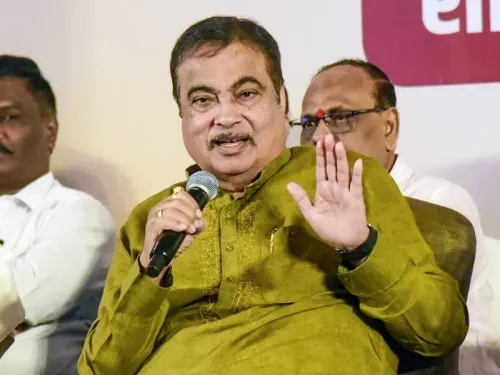
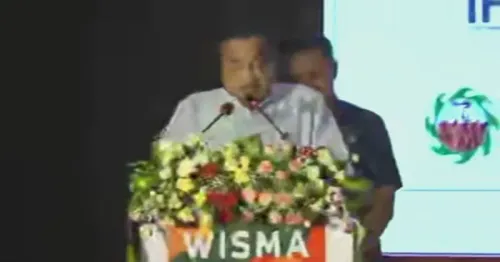
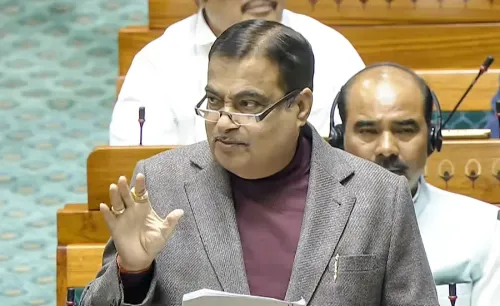
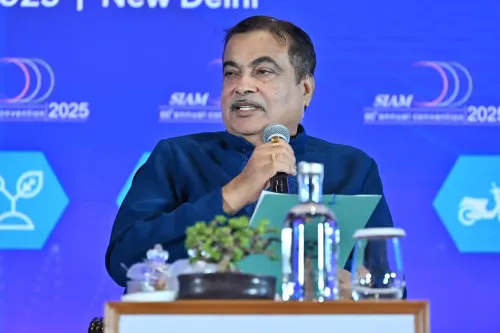
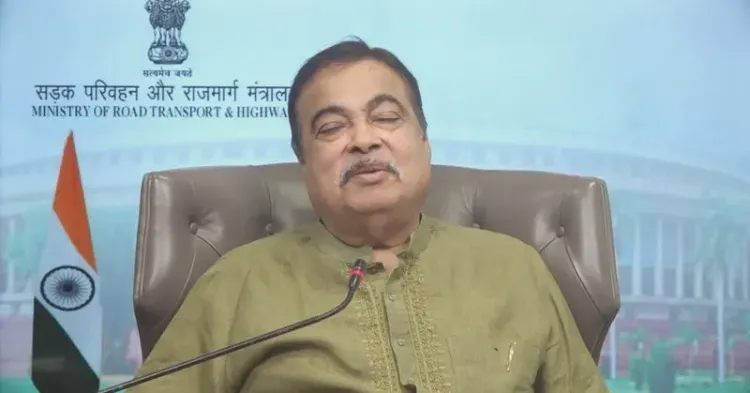
Union Minister Nitin Gadkari addressed the Sugar, Ethanol and Bio-Energy India Conference 2026 organised by Chini Mandi on 13 June, underlining the government's sustained push for higher ethanol blending in petrol as a lever for energy security and farmer income support.
Key Takeaways
Nitin Gadkari addressed the Sugar, Ethanol and Bio-Energy India Conference 2026 on 13 June 2026 , organised by Chini Mandi .
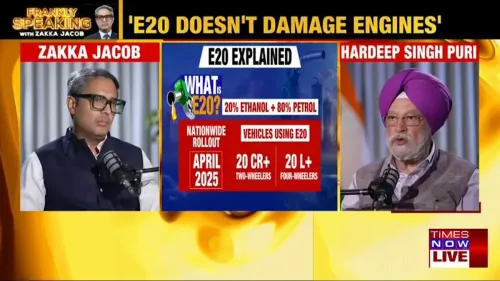
India's Ethanol Blended Petrol Programme dates to 2003 ; the 20% blending target was advanced from 2030 to 2025 under the National Policy on Biofuels 2018 .
The 2022 Union Budget expanded feedstocks beyond sugarcane to include maize and surplus rice .
Sugarcane farmers, sugar mills, and oil marketing companies are the primary stakeholders in India's biofuel value chain.
The Road Transport Ministry coordinates fuel-quality standards for higher ethanol blends alongside the Petroleum Ministry.
Policy watchers are monitoring the E20 rollout progress and potential announcements on flex-fuel vehicle mandates and feedstock pricing.
Union Road Transport and Highways Minister Nitin Gadkari addressed the Sugar, Ethanol and Bio-Energy India Conference 2026 on Saturday, 13 June 2026, organised by industry body Chini Mandi, reaffirming the government's focus on expanding India's biofuel ecosystem.
Context
The annual conference, convened by Chini Mandi, brings together sugar mills, ethanol producers, oil marketing companies, and policymakers to assess the state of India's bio-energy value chain. Gadkari has been one of the most consistent ministerial voices in favour of ethanol blending, framing it as a tool to reduce India's crude-oil import bill while boosting rural farm incomes.
His participation in the 2026 edition signals continued high-level political attention to the sector at a time when the government's E20 ethanol-blending target — originally set for 2030 and advanced to 2025 — is under active review for its rollout progress.
Policy Backdrop
India's Ethanol Blended Petrol (EBP) Programme, first launched in 2003, has undergone successive expansions. A key inflection came after 2014, when differential pricing for ethanol from different feedstocks — sugarcane juice, B-heavy molasses, C-heavy molasses — was introduced to make production commercially viable for mills.
The National Policy on Biofuels 2018 set an indicative target of 20% ethanol blending in petrol and broadened the feedstock basket to include surplus grains and agricultural residue. The 2022 Union Budget further permitted maize and surplus rice as ethanol feedstocks, diversifying supply beyond the sugarcane belt.
The Road Transport Ministry, under Gadkari, has coordinated fuel-quality and compatibility standards for higher ethanol blends alongside the Petroleum Ministry, making it a central stakeholder in the programme's implementation.
Stakeholders and Impact
Sugarcane farmers across states such as Uttar Pradesh, Maharashtra, and Karnataka stand to benefit directly as higher ethanol offtake provides sugar mills an additional revenue stream, helping them clear cane-price arrears. Oil marketing companies are the primary buyers of ethanol under long-term procurement contracts tied to government-set prices.
For the broader economy, every percentage-point increase in blending reduces India's dependence on imported crude, with cumulative foreign-exchange savings running into thousands of crore rupees over the programme's lifetime. Reduced vehicular emissions are an added environmental co-benefit that aligns with India's climate commitments.
What's Next
Attention will now turn to any policy signals or announcements that emerge from the 2026 conference proceedings, particularly around the E20 rollout timeline, feedstock pricing revisions, and potential fiscal incentives for second-generation ethanol from agricultural residue. The Road Transport Ministry's stance on flex-fuel vehicle mandates — which Gadkari has previously advocated — is also closely watched by the auto and fuel sectors.
With India's sugar output remaining robust and global crude prices volatile, the strategic case for accelerating ethanol blending continues to strengthen, making the policy direction signalled at forums like this conference consequential for both energy security and the farm economy.
Point of View
Industry stakeholders are watching for clarity on what comes next in terms of pricing, mandates, and second-generation biofuels. His continued engagement also signals that ethanol blending remains a political priority, linking farm-distress management in sugarcane states with the broader energy-security narrative ahead of state election cycles. Any fresh policy signal from the 2026 conference could set the tone for biofuel investment decisions through the remainder of the decade.
NationPress
29 Jul 2026
Frequently Asked Questions
What is the Sugar, Ethanol and Bio-Energy India Conference 2026?
It is an annual industry conference organised by Chini Mandi , bringing together sugar mills, ethanol producers, oil marketing companies, and policymakers to discuss India's bio-energy value chain and ethanol blending progress.
What is India's ethanol blending target in petrol?
India's indicative target is 20% ethanol blending (E20) in petrol, set under the National Policy on Biofuels 2018 . The target date was advanced from 2030 to 2025 in 2019.
Why is Nitin Gadkari involved in ethanol policy?
As Union Road Transport and Highways Minister , Gadkari oversees fuel-quality and vehicle-compatibility standards for higher ethanol blends, making his ministry a key stakeholder alongside the Petroleum Ministry in the Ethanol Blended Petrol Programme.
Who benefits from higher ethanol blending in India?
Sugarcane farmers gain a more stable income as mills have an additional revenue stream; sugar mills reduce cane-price arrears; and the broader economy saves foreign exchange by reducing crude oil imports.
What feedstocks are allowed for ethanol production in India?
Beyond sugarcane and its by-products, the 2022 Union Budget permitted maize and surplus rice as ethanol feedstocks, diversifying supply and reducing dependence on a single crop.