Gujarat approves ₹1,500 crore sugarcane payment relief for cooperative mills
Synopsis
Gujarat has cleared a decade-old tax dispute worth ₹1,500 crore for its cooperative sugar mills by formally recognising above-FRP sugarcane payments made between 2007 and 2015 — a resolution made possible by a 2023 amendment to the Income Tax Act. On the same day, the state opened MSP registration for summer moong at ₹8,768 per quintal, with market prices currently running below that floor.
Key Takeaways
The Gujarat government on 26 May granted formal approval to sugarcane prices paid by cooperative mills to farmers during 2007-08 to 2014-15 .
The move provides financial relief of approximately ₹1,500 crore by resolving outstanding Income Tax Department demand notices.
The dispute arose because payments above the Fair and Remunerative Price (FRP) were classified as taxable profit; a 2023 amendment to the Income Tax Act enabled the fix.
Online registration for summer moong MSP procurement opens 27 May and closes 10 June at e-Gram centres across Gujarat.
The Centre has fixed the summer moong MSP at ₹8,768 per quintal for 2025-26 ; market prices are reportedly below this level.
Combined measures are expected to benefit more than two lakh farmers and cooperative institutions in the state.
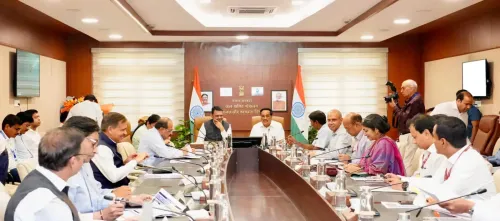
The Gujarat government on Tuesday, 26 May granted formal approval to sugarcane prices paid by cooperative sugar mills to farmers during 2007-08 to 2014-15, providing financial relief of around ₹1,500 crore to the state's cooperative sugar sector. The decision simultaneously unlocks online registration for farmers to sell summer moong at the Minimum Support Price (MSP), with combined measures expected to benefit more than two lakh farmers and cooperative institutions across Gujarat.
The Tax Dispute Behind the Relief
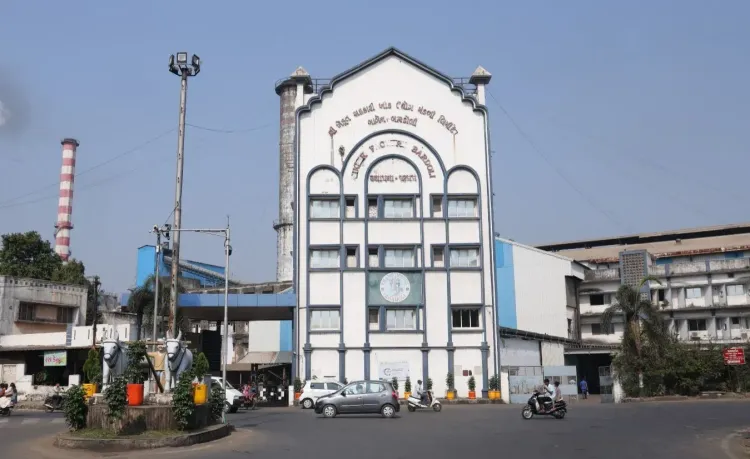
The relief addresses a long-standing tax liability that had hung over cooperative sugar mills for years. The Income Tax Department had treated payments made above the Fair and Remunerative Price (FRP) — the floor price fixed by the Centre — as profit, and subsequently issued tax demand notices to several mills. This created a potential liability estimated at ₹1,500 crore for the sector.
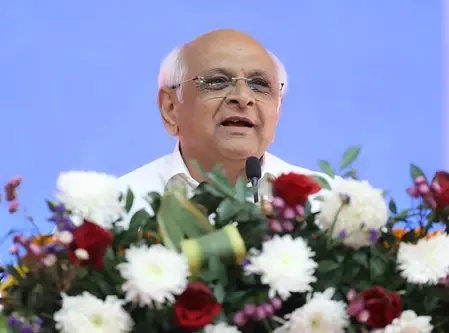
Agriculture and Cooperation Minister Jitu Vaghani said: 'The state government has granted official approval to sugarcane prices paid by cooperative sugar mills to farmers during the period 2007-08 to 2014-15.' He added that the approval 'provides formal recognition to these payments, which were made as part of revenue-sharing practices in the cooperative model.'
How Gujarat's Sugar Cooperatives Function
Minister Vaghani explained that Gujarat's sugar cooperatives have consistently distributed earnings from by-products — including molasses, ethanol, and co-generated electricity — directly to farmers, resulting in better returns for sugarcane growers compared with several other states. It is this above-FRP distribution that the tax authorities had classified as taxable profit, triggering the dispute.
The resolution follows national-level legislative changes. According to officials, amendments were made in 2023 to the Income Tax Act under the Ministry of Cooperation, allowing state-approved sugarcane pricing structures to be recognised for tax purposes. A high-level committee constituted by the state government subsequently recommended formal approval of the payments made during the disputed period.
MSP Registration for Summer Moong Opens May 27
Alongside the sugarcane decision, the Agriculture Department announced the opening of online registration for summer moong procurement under the MSP scheme for the 2025-26 season. Registration begins on 27 May and runs through 10 June, conducted at e-Gram centres across Gujarat via biometric fingerprint or face authentication.
The Centre has fixed the MSP for summer moong at ₹8,768 per quintal for 2025-26. Given that prevailing market prices are reportedly below this level, procurement has been planned under the Pradhan Mantri Annadata Aay Sanrakshan Abhiyan to ensure farmers receive the guaranteed floor price. Only land parcels registered under the applicant's survey numbers will be eligible, and farmers have been advised to update all land records before applying.
Registration is also accessible through the 'Farmer Registry Gujarat' mobile application, the government portal, CSC centres, VCE operators, or village-level agriculture staff.
What Happens Next
With formal state approval now in place, cooperative sugar mills can seek resolution of outstanding tax demand notices, potentially freeing up significant working capital. For moong farmers, the procurement window closes on 10 June, making timely registration critical to accessing MSP benefits this season.
Point of View
500 crore relief is less a new policy win and more the belated closing of an administrative gap — cooperative mills were taxed on payments that were, in substance, farmer revenue shares, not profit. The 2023 Income Tax Act amendment that made this resolution possible took nearly two years to translate into state-level action, raising questions about how quickly similar legacy disputes in other cooperative-heavy states will be addressed. The simultaneous MSP window for moong is welcome, but the 14-day registration period and biometric authentication requirement at e-Gram centres could exclude smaller or remote farmers who lack updated land records — the very group MSP schemes are designed to protect.
NationPress
25 Sept 2026
Frequently Asked Questions
Why did Gujarat's cooperative sugar mills face a ₹1,500 crore tax liability?
The Income Tax Department classified payments made by cooperative sugar mills to farmers above the Fair and Remunerative Price (FRP) as profit, triggering tax demand notices. This created a potential liability of around ₹1,500 crore for the sector, which the Gujarat government's formal approval now seeks to resolve.
What is the significance of the 2023 Income Tax Act amendment for sugar cooperatives?
The 2023 amendment to the Income Tax Act allowed state-approved sugarcane pricing structures to be recognised for tax purposes, providing the legal basis for states like Gujarat to formally validate above-FRP payments. Without this change, cooperative mills would have remained liable for taxes on payments that were effectively farmer revenue shares.
How can Gujarat farmers register for summer moong MSP procurement?
Farmers can register online from 27 May to 10 June 2025 at e-Gram centres across Gujarat using biometric fingerprint or face authentication. Registration is also available through the 'Farmer Registry Gujarat' mobile app, the government portal, CSC centres, VCE operators, or village-level agriculture staff.
What is the MSP for summer moong in 2025-26?
The Centre has fixed the Minimum Support Price for summer moong at ₹8,768 per quintal for the 2025-26 season. Since prevailing market prices are reportedly below this level, procurement is being arranged under the Pradhan Mantri Annadata Aay Sanrakshan Abhiyan.
Who is eligible for the summer moong MSP scheme in Gujarat?
Registered farmers whose land records are updated in the system are eligible. Only land parcels linked to the registered survey numbers will qualify, making it essential for farmers to ensure their records are current before the 10 June deadline.