Gujarat MSP procurement crosses ₹65,570 crore in a decade, farmer participation up 7x
Synopsis
Gujarat's MSP data for 2016–2026 tells a striking story: farmer participation grew nearly seven-fold, annual procurement value rose 13x, and ₹65,570 crore reached farmers directly — with groundnut and cotton alone accounting for over ₹49,700 crore. As the national MSP debate intensifies, Gujarat's decade of implementation offers a rare, numbers-backed case study.
Key Takeaways
Gujarat procured agricultural produce worth ₹65,570 crore under MSP over 10 years (2016–2026) .
Farmer participation grew nearly seven-fold , from 2.01 lakh in 2016-17 to over 14 lakh in 2025-26.
Annual procurement value rose from ₹1,775 crore to ₹23,800 crore over the same period.
Groundnut (52.48 lakh MT, ₹31,941 crore) and cotton (25.23 lakh MT, ₹17,759 crore) led procurement volumes.
Hybrid jowar MSP rose 127% and bajra by 108% — the steepest increases among major crops.
Payments are now made via Direct Benefit Transfer (DBT) directly into farmers' bank accounts, reducing intermediaries.
Gujarat has procured agricultural produce worth ₹65,570 crore under the Minimum Support Price (MSP) mechanism over the past 10 years, with nearly 49 lakh farmers benefiting from the programme, according to figures released by the state government on 13 June. A total of 1.05 crore metric tonnes of crops were purchased between 2016 and 2026, marking one of the largest sustained agricultural procurement expansions in the state's history.
Scale of Growth
Farmer participation in Gujarat's MSP programme has grown nearly seven-fold over the decade — from 2.01 lakh beneficiaries in 2016-17 to more than 14 lakh in 2025-26. The annual value of procurement surged in parallel, rising from ₹1,775 crore to ₹23,800 crore over the same period. The state government attributed this expansion to systemic reforms in procurement infrastructure and a pricing policy designed to deliver returns above farmers' production costs.
Groundnut and Cotton Lead Procurement
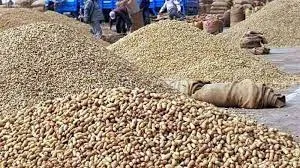
Groundnut and cotton accounted for the largest share of MSP purchases in Gujarat. Over the decade, the state procured 52.48 lakh metric tonnes of groundnut worth ₹31,941 crore, and 25.23 lakh metric tonnes of cotton for ₹17,759 crore. According to the government, cotton procurement has been particularly significant in shielding growers from volatility in global market prices.
Other major crops also saw substantial procurement. Farmers received ₹9,549 crore for 16.81 lakh metric tonnes of gram, while 4.97 lakh metric tonnes of pigeon pea (tur) were purchased for ₹3,222 crore. Crops including mustard, soybean, urad, and moong also benefited small and marginal farmers across the state.
MSP Rates Have Risen Sharply
The state government highlighted that MSP rates for several crops have increased substantially over the past decade. Bajra recorded the steepest rise at 108%, followed by hybrid jowar at 127%, groundnut at 102%, and cotton at 99%. Common paddy MSP rose by 61% and wheat by 59%. These rates are recommended by the Commission for Agricultural Costs and Prices based on input costs including seeds, fertilisers, electricity, diesel, and labour, and are now announced before the sowing season to enable better crop planning.
Digital Reforms and Direct Payments
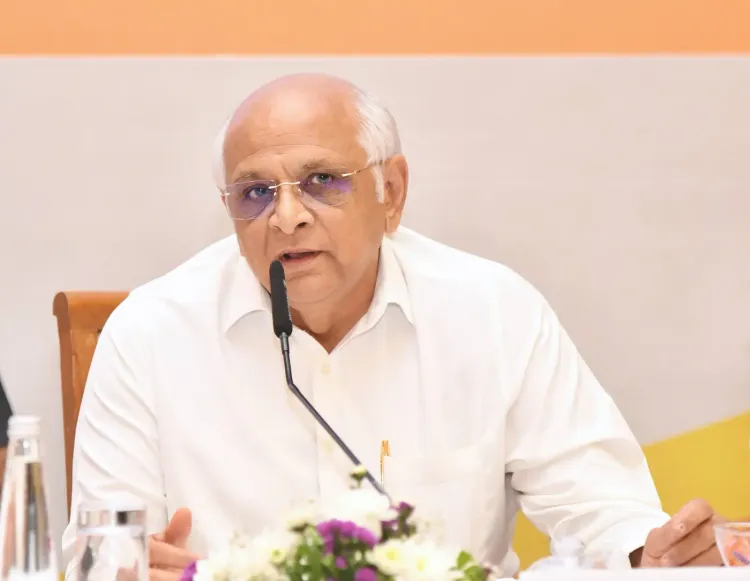
Alongside procurement expansion, the government has overhauled the operational process. Online registration, Direct Benefit Transfer (DBT) payments directly into farmers' bank accounts, and SMS-based communication have reduced the role of intermediaries and improved transparency. Chief Minister Bhupendra Patel and Agriculture Minister Jitu Vaghani have overseen the programme's expansion, according to the government.
Broader Impact on Rural Economy
The state government said the combination of expanded procurement, timely payments, and pre-sowing price announcements has strengthened farmer confidence and supported rural economic activity across Gujarat. This comes amid a national debate on MSP legalisation, making Gujarat's decade-long data a reference point for what sustained implementation can achieve at the state level.
Point of View
Suggesting the programme reached beyond early adopters to smaller and marginal growers. That said, the government's own framing deserves scrutiny: procurement value and volume growth do not automatically translate into income security if input costs have risen faster than MSP rates. The 108% rise in bajra MSP sounds impressive, but bajra's share of total procurement is not disclosed — a gap that matters for assessing whether the highest-percentage increases actually benefited the most farmers. As the Centre faces pressure to legally guarantee MSP nationally, Gujarat's numbers will be cited selectively by both sides of that debate.
NationPress
25 Sept 2026
Frequently Asked Questions
How much has Gujarat procured under MSP in the last 10 years?
Gujarat procured agricultural produce worth ₹65,570 crore under the MSP mechanism between 2016 and 2026, covering 1.05 crore metric tonnes of crops and benefiting nearly 49 lakh farmers, according to state government data.
Which crops saw the highest MSP procurement in Gujarat?
Groundnut and cotton led MSP procurement in Gujarat over the decade. The state purchased 52.48 lakh metric tonnes of groundnut worth ₹31,941 crore, and 25.23 lakh metric tonnes of cotton for ₹17,759 crore.
How much have MSP rates increased in Gujarat over the past decade?
MSP rates rose sharply across major crops: hybrid jowar by 127%, bajra by 108%, groundnut by 102%, cotton by 99%, paddy by 61%, and wheat by 59%, according to the state government.
How are MSP payments made to farmers in Gujarat?
Payments are transferred directly into farmers' bank accounts through the Direct Benefit Transfer (DBT) system, reducing intermediary involvement. Digital registration and SMS-based alerts have also streamlined the procurement process.
Who oversees Gujarat's MSP procurement programme?
Chief Minister Bhupendra Patel and Agriculture Minister Jitu Vaghani have overseen the expansion of the MSP procurement programme in Gujarat, according to the state government.