Is the Gujarat government set to procure tur at MSP of Rs 8,000 per quintal?
Synopsis
The Gujarat government is making significant strides in farmer welfare by announcing the procurement of tur at Rs 8,000 per quintal. This initiative, effective from December 22, aims to provide farmers with financial security and transparency in their sales.
Key Takeaways
The Gujarat government will procure tur at Rs 8,000 per quintal.
The procurement process starts on December 22.
Farmer registrations will also open on the same day.
This initiative aims to safeguard farmers from market fluctuations.
It reinforces the government’s commitment to agricultural welfare.
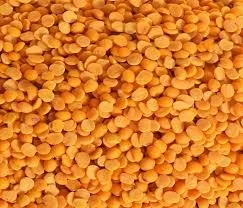
Ahmedabad, Dec 17 (NationPress) The cabinet of Gujarat engaged in extensive discussions on the procurement of tur (pigeon pea) at the Minimum Support Price (MSP) on Wednesday.
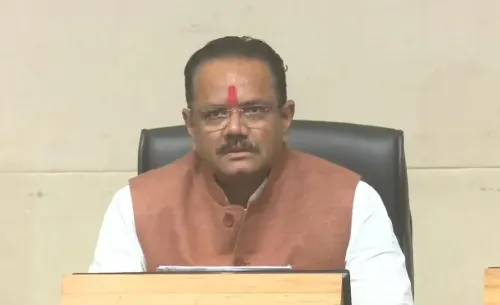
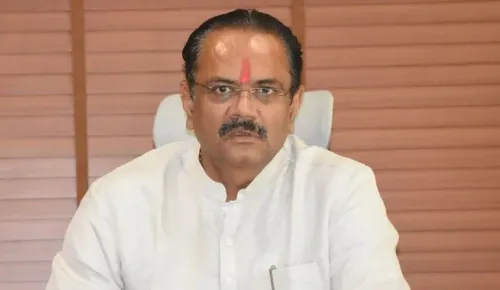
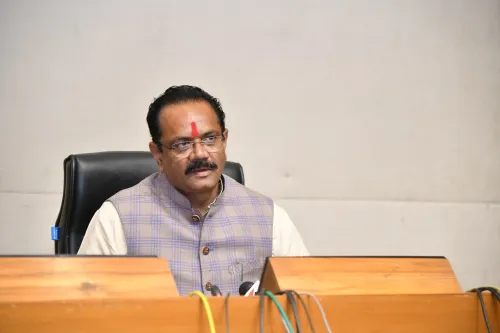
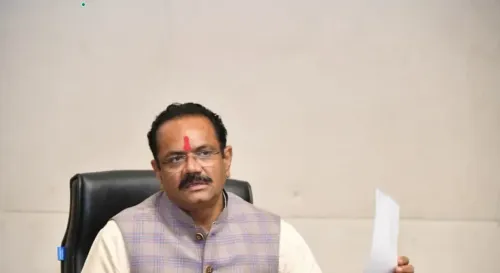
Agriculture Minister Jitu Vaghani declared that the state government will acquire tur at a support price of Rs 8,000 per quintal, adhering to the Central MSP policy.
The procurement initiative is set to kick off on December 22, coinciding with the opening of farmer registrations to facilitate a transparent process. This initiative aims to benefit numerous tur cultivators across Gujarat by providing them with equitable and rewarding prices for their harvest.
Referring to this as a significant measure to protect farmers from market fluctuations, Vaghani emphasized that this decision would enhance transparency in the sale of kharif crops and offer essential financial security to farmers.
He urged farmers to ensure their registrations are completed within the given time frame to access the benefits of this scheme.
The cabinet also assessed the distribution of assistance under the agricultural relief package.
Following these discussions, the MSP for tur was confirmed to guarantee that farmers avoid distress sales and receive adequate prices for their crops.
It is noteworthy that after the recent cabinet expansion, key ministries including Agriculture, Farmers’ Welfare, Cooperation, Animal Husbandry, Fisheries, and Protocol have been assigned to Jitu Vaghani.
In recent days, he has been actively advocating for farmer-centric policies, playing a vital role in the cabinet by addressing farmers' issues and promoting fair pricing strategies.
This decision is perceived as a timely response before the procurement season, reinforcing the government’s dedication to farmer welfare.
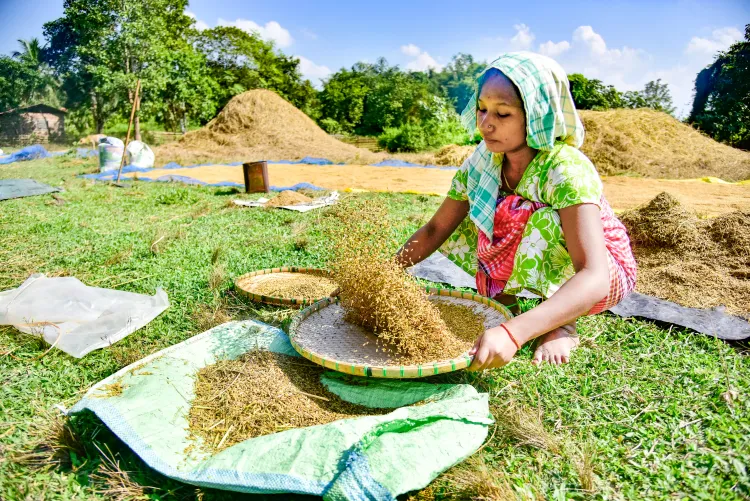
Gujarat boasts a vast and varied agricultural landscape, with approximately 54 lakh farmers involved in agricultural and allied sectors throughout the state. This demographic includes small and marginal farmers, who represent the majority, alongside medium and large landholders growing crops such as cotton, groundnut, tur, wheat, cumin, and various vegetables.
Agriculture is fundamental to rural Gujarat, supporting not only farmers but also millions of families reliant on animal husbandry, dairy, fisheries, and agriculture-related livelihoods.
With diverse agro-climatic conditions, ranging from arid Kutch to fertile central and southern Gujarat, the farming community is crucial in ensuring food security, sustaining rural employment, and contributing significantly to the state’s economy.
Point of View
I view the Gujarat government's decision as a proactive step towards enhancing farmer welfare. The assurance of a Minimum Support Price for tur cultivators not only stabilizes their income but also fortifies rural economies. It is vital for such measures to be implemented consistently to address the challenges faced by farmers in an unpredictable market.
NationPress
25 Sept 2026
Frequently Asked Questions
What is the MSP for tur in Gujarat?
The Minimum Support Price for tur in Gujarat has been set at Rs 8,000 per quintal.
When does the procurement process begin?
The procurement process for tur will commence on December 22.
How can farmers register for the procurement?
Farmers can register for the procurement process starting December 22, ensuring ease and transparency.
What is the significance of this decision for farmers?
This decision aims to protect farmers from market volatility and ensure they receive fair prices for their produce.
Who is the Agriculture Minister of Gujarat?
The Agriculture Minister of Gujarat is Jitu Vaghani.