How Much Have Kharif Crops Been Procured by Gujarat Government?
Synopsis
In an impressive feat, the Gujarat government has procured Kharif crops worth over Rs 12,000 crore, significantly benefiting over 10 lakh farmers. This article delves into the details of the MSP procurement process and its implications for the agricultural sector.
Key Takeaways
The Gujarat government has procured Kharif crops worth over Rs 12,000 crore.
More than 10 lakh farmers registered for the MSP procurement scheme.
The use of Aadhaar-enabled technology enhances the procurement process.
Groundnut registration has increased significantly compared to last year.
Procurement will continue until February 6.
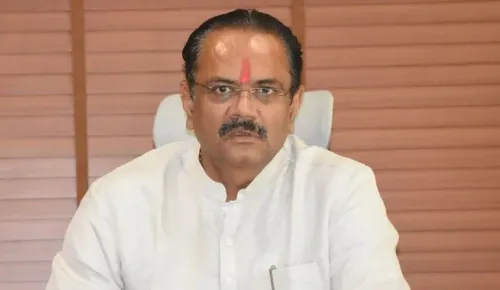
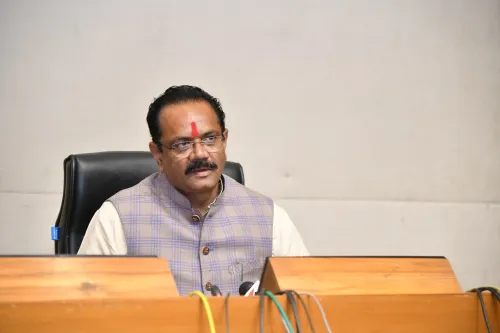
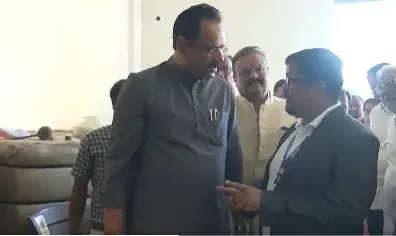
Gandhinagar, Jan 21 (NationPress) The government of Gujarat has successfully procured Kharif crops exceeding Rs 12,000 crore at Minimum Support Price (MSP), as announced by Minister Jitu Vaghani on Wednesday.
He revealed that more than 10.11 lakh farmers have registered for the MSP procurement scheme for crops including groundnut, moong, urad, and soybean as of January 20 this year.
Vaghani noted that 10,01,724 farmers submitted SMS requests for MSP procurement, with a total of 8,23,743 beneficiaries having their crops purchased.
“In total, 18,05,612.16 metric tons of crops have been procured, valued at Rs 12,965.37 crore, and payments amounting to Rs 9,907.86 crore have been disbursed to 6,33,149 beneficiaries,” he stated.
He further highlighted that in the current financial year 2025-26, between September 1 and 22, 2025, 10,11,936 farmers registered online.
The registration for groundnut this year has surged to 9.31 lakh farmers, up from 3.74 lakh last year.
The Central Government has sanctioned the purchase of 20.10 lakh metric tons of groundnut. The MSP procurement in the state commenced on November 9 last year and will continue until February 6.
The overall value of crops procured this Kharif season is projected to be around Rs 15,000 crore.
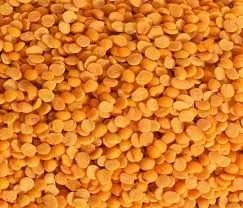
Registration for tur dal began on December 22, 2025, and by January 20, 2026, 1,30,640 farmers had registered on the e-Samruddhi portal.
In accordance with the Central Government's guidelines, procurement of tur, urad, and masoor can cover up to 100 percent of the state’s total production.
Vaghani emphasized that, for the first time, Aadhaar-enabled biometric or face authentication is being utilized for procurement from registered farmers.
This scheme also incorporates nominee-based sales, immediate DBT payments to Aadhaar-seeded bank accounts, and routine inspections of procurement centers at district and taluka levels by vigilance committees.
Point of View
I believe this procurement initiative by the Gujarat government highlights a commendable effort to support farmers. Such measures not only stabilize the agricultural economy but also ensure that farmers receive fair compensation for their produce. It's a step in the right direction towards enhancing food security and farmer welfare in the nation.
NationPress
14 Oct 2026
Frequently Asked Questions
What is the total value of Kharif crops procured by Gujarat?
The total value of Kharif crops procured by the Gujarat government is approximately Rs 12,965.37 crore.
How many farmers registered for the MSP procurement scheme?
More than 10.11 lakh farmers have registered under the MSP procurement scheme.
What technologies are being used for crop procurement?
The Gujarat government is utilizing Aadhaar-enabled biometric or face authentication for crop procurement from registered farmers.
When did the MSP procurement for groundnut begin?
The MSP procurement for groundnut began on November 9 last year.
How many metric tons of crops have been procured?
A total of 18,05,612.16 metric tons of crops have been procured.