CM Fadnavis Welcomes Amit Shah's Move on Sugar MSP, Ethanol Quota
Synopsis
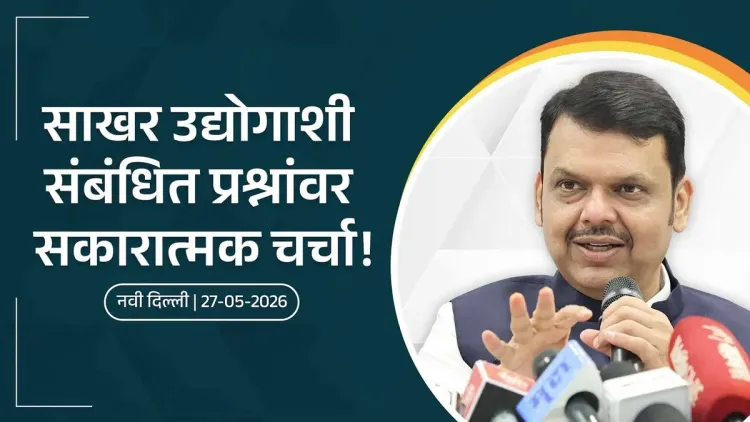
Maharashtra Chief Minister Devendra Fadnavis welcomed Union Minister Amit Shah's decision on 27 May 2026 to raise sugar MSP and expand the ethanol procurement quota, calling it a positive step for the state's cooperative sugar sector and its farmers.
Key Takeaways
CM Devendra Fadnavis publicly praised Union Minister Amit Shah on 27 May 2026 for a decision on sugar MSP and ethanol quota.
The announcement covers two instruments: revision of the sugar Minimum Support Price (MSP) and an increase in the ethanol procurement quota .
Maharashtra is among India's largest sugarcane-producing states, with cooperative mills central to its rural economy.
The Ethanol Blending Programme targets 20% blending in petrol by 2030 under the National Policy on Biofuels, 2018 .
Higher sugar MSP and expanded ethanol offtake are expected to improve mill revenues and reduce cane payment arrears owed to farmers.
State-level implementation details are awaited ahead of the 2026-27 crushing season .
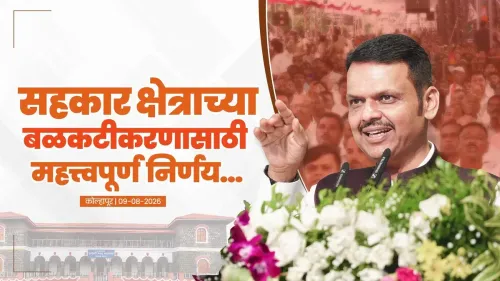
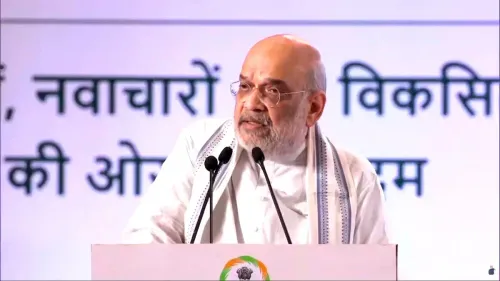
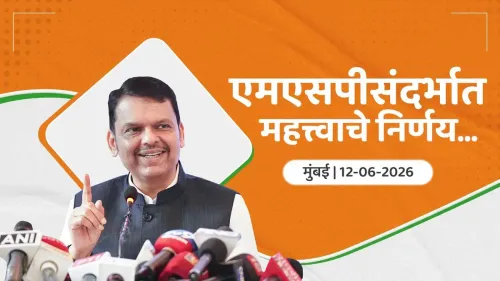
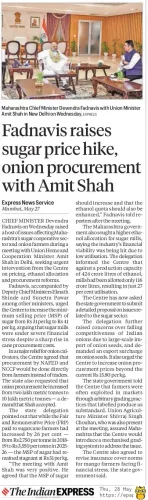
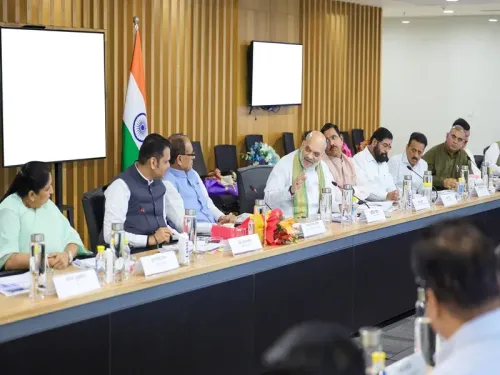
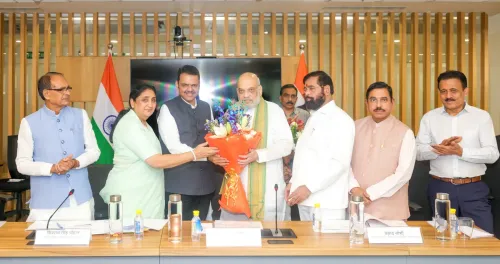
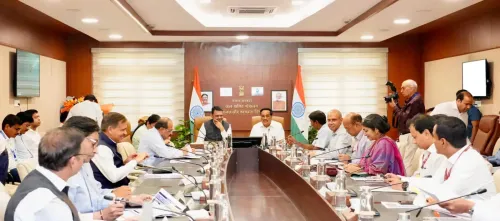
Maharashtra Chief Minister Devendra Fadnavis on Wednesday, 27 May 2026 publicly welcomed a decision by Union Home and Cooperation Minister Amit Shah to revise the Minimum Support Price (MSP) for sugar and increase the ethanol procurement quota, calling it a 'very positive decision' for the sector.
Context
Posting from New Delhi, Fadnavis wrote in both Marathi and Hindi: 'साखरेचा एमएसपी आणि इथेनॉल कोटा वाढीसंदर्भात मा. केंद्रीय गृह व सहकार मंत्री अमितभाई शाह यांनी अतिशय सकारात्मक निर्णय घेतला आहे' — meaning, 'Regarding the increase in sugar MSP and ethanol quota, Union Home and Cooperation Minister Amitbhai Shah has taken a very positive decision.' The post tagged @AmitShah directly, framing the announcement as a Centre-driven initiative with state-level significance.
Maharashtra is one of India's largest sugarcane-producing states, home to a dense network of cooperative sugar mills that collectively process millions of tonnes of cane each crushing season. Any revision to sugar MSP or ethanol quota directly affects the financial health of these mills and the income realised by farmers.
Policy Backdrop
The sugar sector's MSP — distinct from the Fair and Remunerative Price (FRP) paid to sugarcane growers — sets a floor for ex-mill sugar sales and is periodically revised by the central government under the Sugarcane (Control) Order, 1966. A higher MSP improves mill revenues, which in turn supports their capacity to clear dues owed to farmers.
The ethanol quota expansion fits within the National Policy on Biofuels, 2018, which set a target of 20% ethanol blending in petrol by 2030. Under the Ethanol Blending Programme, sugar mills supply ethanol derived from cane juice or molasses to oil marketing companies, providing an alternative revenue stream that helps mills manage surplus sugar stocks while advancing the country's energy security goals. Amit Shah, who has held the Cooperation portfolio since 2021, has been a central figure in aligning cooperative sugar sector interests with national biofuel policy.
Stakeholders and Impact
Sugarcane farmers across Maharashtra stand to benefit most directly: higher sugar MSP strengthens mill finances, reducing the risk of delayed or unpaid cane arrears that have historically been a source of rural distress. Cooperative sugar mills, which dominate the sector in the state, gain improved pricing certainty for their primary product.
An expanded ethanol quota also opens a larger procurement channel, allowing mills to divert more cane output towards ethanol production. This dual benefit — better sugar pricing and greater ethanol offtake — is seen as a structural support mechanism for a sector that has long been caught between surplus production and volatile market prices.
What's Next
The formal notification of revised ethanol procurement prices by the central government and the state-level rollout of any MSP-linked payment mechanisms will be closely watched ahead of the 2026-27 crushing season. Maharashtra's cooperative mills and farmer bodies are expected to assess the revised numbers once official orders are published.
For CM Fadnavis, the announcement offers a political moment to demonstrate that the state's engagement with the Centre on agricultural pricing is yielding results — a message likely to resonate in the sugarcane belt ahead of the new season.
Point of View
Who oversees both home affairs and the cooperative sector, this is a consolidation of influence over an economically and politically significant constituency. CM Fadnavis's swift, bilingual public endorsement signals Maharashtra's dependence on central pricing decisions and his intent to claim credit for the outcome in the state's sugar belt. The timing — ahead of the 2026-27 crushing season — suggests both New Delhi and Mumbai are calibrating the announcement for maximum rural impact.
NationPress
10 Oct 2026
Frequently Asked Questions
What is the sugar MSP and why does it matter to farmers?
The sugar MSP is the minimum price at which sugar mills must sell ex-mill sugar, set by the central government. A higher MSP improves mill revenues, which helps mills clear cane payment dues owed to farmers more promptly.
What did Amit Shah decide regarding sugar MSP and ethanol quota on 27 May 2026?
Union Home and Cooperation Minister Amit Shah took a decision to increase the sugar MSP and expand the ethanol procurement quota for sugar mills, according to Maharashtra CM Devendra Fadnavis 's post on 27 May 2026. Exact revised figures are subject to official notification.
How does the ethanol quota increase benefit sugar mills in Maharashtra?
A higher ethanol procurement quota allows mills to supply more ethanol — derived from cane juice or molasses — to oil marketing companies, providing an additional revenue stream and helping manage surplus sugar production.
What is India's ethanol blending target and which policy governs it?
India's National Policy on Biofuels, 2018 sets a target of 20% ethanol blending in petrol by 2030 . The Ethanol Blending Programme links sugar sector incentives to this national energy security goal.
Why is Maharashtra particularly affected by central sugar pricing decisions?
Maharashtra is one of India's largest sugarcane-producing states with a dense network of cooperative sugar mills. Central decisions on MSP and ethanol quotas directly determine mill viability and farmer income across the state's sugar belt.