CM Fadnavis Meets Media in Delhi on Sugar, Onion Farmer Issues
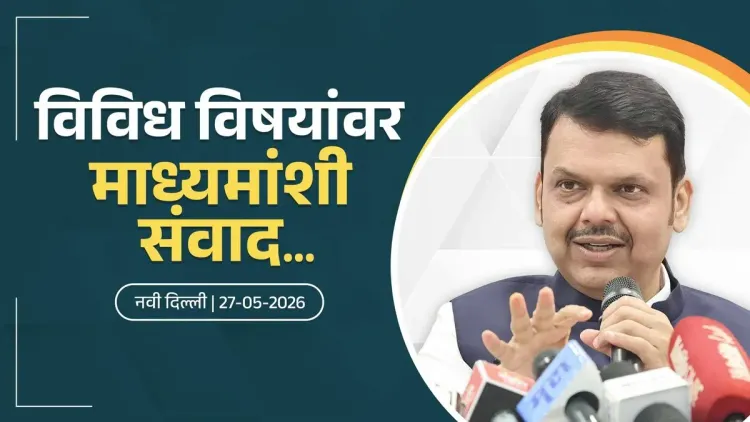
Synopsis
Maharashtra Chief Minister Devendra Fadnavis addressed the media in New Delhi on 27 May 2026, raising the challenges of the sugar mill sector, sugarcane farmers, and onion growers — two communities central to the state's rural economy and politically sensitive ahead of the monsoon season.
Key Takeaways
CM Devendra Fadnavis held a media interaction in New Delhi on 27 May 2026 .
Topics included difficulties faced by the sugar mill industry , sugarcane farmers , and onion farmers in Maharashtra.
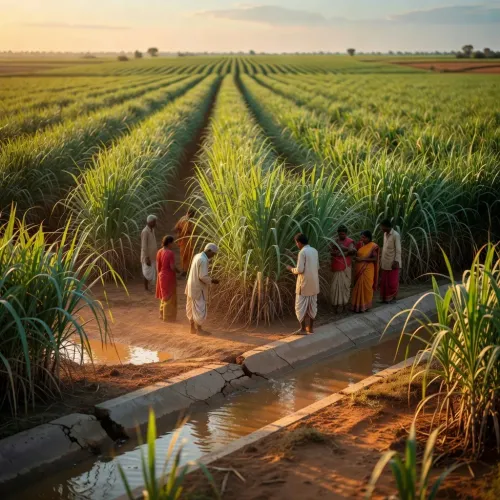
Maharashtra is India's largest sugarcane-producing state, with cooperative sugar factories dating to the 1950s–60s .
Onion farmers have faced recurring export restrictions, including in 2019 and 2020 , that hurt farm-gate prices.
Key unresolved issues include pending FRP arrears from mills and demands for relief on onion export policy ahead of the monsoon.
State-central coordination on agricultural policy is expected to continue in the coming weeks.
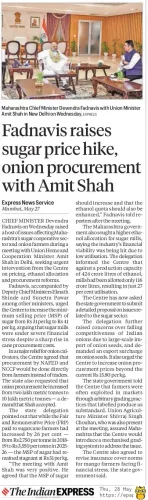
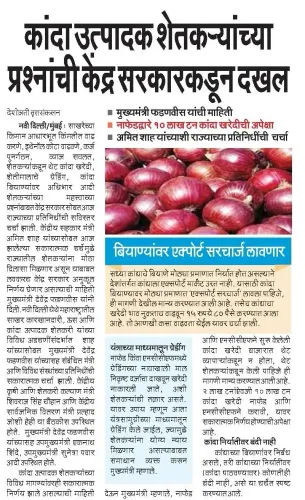
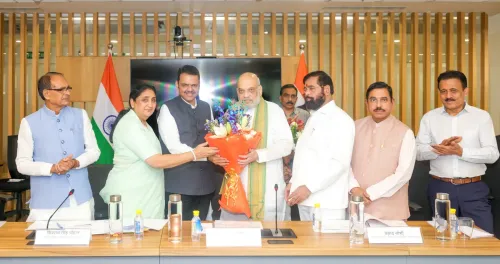
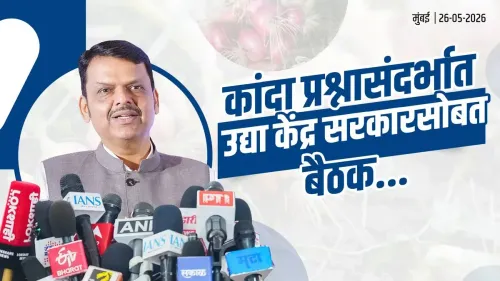
Maharashtra Chief Minister Devendra Fadnavis held a media interaction in New Delhi on Wednesday, 27 May 2026, addressing a range of issues including the challenges faced by the sugar mill industry, sugarcane farmers, and onion-growing farmers across the state.
Context
Posting on X, Fadnavis described the interaction as a wide-ranging conversation with the media — 'साखर कारखानदारी, ऊस उत्पादक शेतकरी आणि कांदा उत्पादक शेतकरी यांच्या अडचणी' ['the difficulties of the sugar mill industry, sugarcane-growing farmers, and onion-growing farmers'] among the topics discussed. The interaction took place in the national capital, where state chief ministers frequently engage central authorities on agricultural and policy matters.
The timing is significant: Maharashtra enters the pre-monsoon period with unresolved demands from two of its most politically sensitive farming communities — sugarcane growers in the cooperative sugar belt and onion cultivators concentrated in Nashik and neighbouring districts.
Policy Backdrop
Maharashtra is India's largest sugarcane-producing state, and its cooperative sugar factories — a legacy of the 1950s–60s cooperative movement — remain a powerful economic and political force in the rural economy. A persistent concern for farmers has been delayed payment of dues by mills, as well as demands for revision of the Fair and Remunerative Price (FRP) set by the central government.
Onion farmers in Maharashtra have faced recurring price volatility. The central government has in the past imposed export restrictions — including in 2019 and 2020 — to stabilise domestic prices, a move that farmers argued hurt their incomes. Any revision to export policy or introduction of relief measures ahead of the monsoon season is closely watched by farming communities across the state.
Stakeholders and Impact
The issues raised touch the livelihoods of millions of farmers. Sugarcane growers depend heavily on timely mill payments and favourable pricing, while onion farmers remain vulnerable to sudden policy shifts that can collapse farm-gate prices within days. Sugar mill operators, cooperative sector leaders, and farmer unions are all key stakeholders in any outcome from such discussions.
Fadnavis, as chief minister, occupies a pivotal role in channelling state-level demands to New Delhi, particularly on matters of central procurement policy, export regulation, and agricultural credit. His direct engagement with the media on these issues signals that the state government is actively seeking to keep these concerns in the public and policy spotlight.
What's Next
Observers will watch for any follow-up announcements on pending sugarcane arrears, possible relaxation of onion export norms, or new relief packages timed to the onset of the monsoon season. State-central coordination on FRP revisions and credit support for cooperative mills is likely to remain a focal point in the weeks ahead.
With the agricultural calendar pressing and farmer sentiment a key electoral variable in Maharashtra, the outcomes of such high-level interactions in New Delhi could shape both policy direction and political messaging in the state through the coming season.
Point of View
And any perceived inaction on mill arrears or export curbs can quickly translate into political cost. By flagging these issues openly, the chief minister positions himself as an active interlocutor between the state's farming communities and the central government. The interaction fits a broader pattern of Maharashtra CMs using Delhi visits to simultaneously advance policy demands and project responsiveness to farmer distress.
NationPress
10 Oct 2026
Frequently Asked Questions
What issues did CM Devendra Fadnavis raise in New Delhi on 27 May 2026?
Fadnavis addressed the media in New Delhi on 27 May 2026, raising challenges faced by the sugar mill industry, sugarcane farmers, and onion-growing farmers in Maharashtra, along with other topics.
Why are sugarcane farmers in Maharashtra facing difficulties?
Maharashtra's sugarcane farmers face recurring issues including delayed payment of dues by cooperative sugar mills and demands for revision of the Fair and Remunerative Price (FRP) set by the central government.
What is the problem with onion farmers in Maharashtra?
Onion farmers in Maharashtra face sharp price volatility, often worsened by central government export restrictions — imposed in 2019 and 2020 — that can collapse farm-gate prices rapidly.
Why does the Maharashtra CM meet media in Delhi about farm issues?
New Delhi is a key venue for state-central coordination; the Maharashtra chief minister engages central authorities on agricultural export policy, procurement, and credit — matters decided at the national level.
What could come next after Fadnavis's New Delhi media interaction on agriculture?
Possible outcomes include announcements on pending sugarcane mill arrears, revisions to onion export policy, or new relief packages for farmers ahead of the monsoon season.