CM Fadnavis raises sugar price hike, onion procurement with Amit Shah
Synopsis
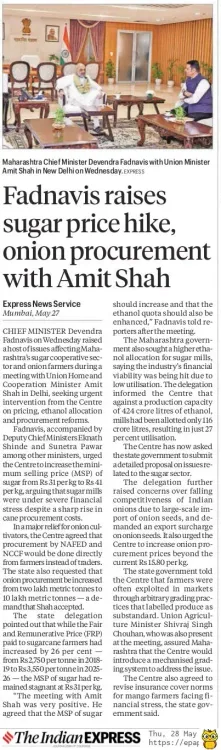
Chief Minister Devendra Fadnavis met Union Minister Amit Shah on 28 May 2026 to press for a sugarcane FRP hike and central onion procurement, as Maharashtra's cooperative mills and onion farmers face recurring price-cycle pressures ahead of the next crushing and kharif harvest season.
Key Takeaways
CM Devendra Fadnavis met Union Minister Amit Shah on 28 May 2026 to raise Maharashtra's agricultural concerns directly with the Centre.
The Chief Minister sought a hike in the Fair and Remunerative Price (FRP) for sugarcane, which is fixed annually by the central government.
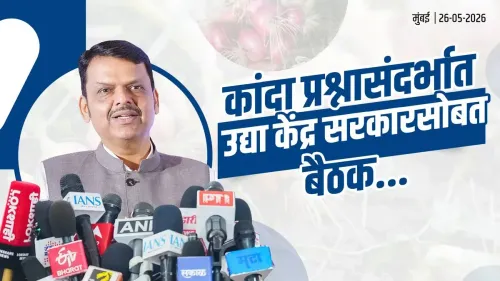
Maharashtra also requested central procurement of onions, likely through NAFED , to stabilise farm-gate prices ahead of the kharif harvest.
Maharashtra is India's largest sugarcane-producing state and a major onion-growing region, making both commodities critical to its rural economy.
The Ministry of Cooperation , created in 2021, gives Amit Shah direct jurisdiction over cooperative sugar mills and agricultural marketing bodies.
Outcomes may include a revised sugarcane FRP for the 2026-27 season or fresh onion procurement tenders from the Centre.
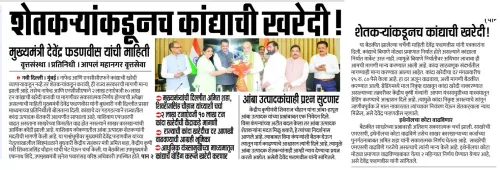
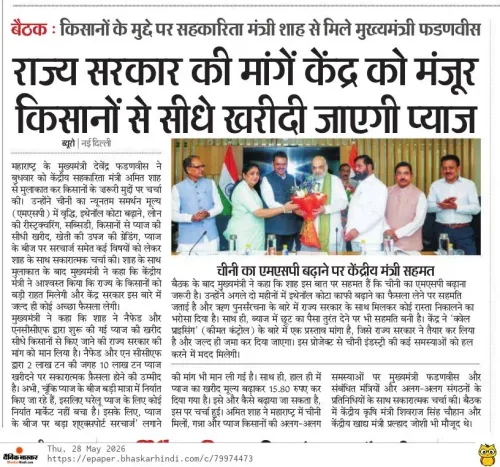
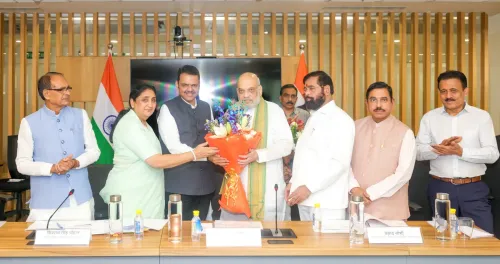
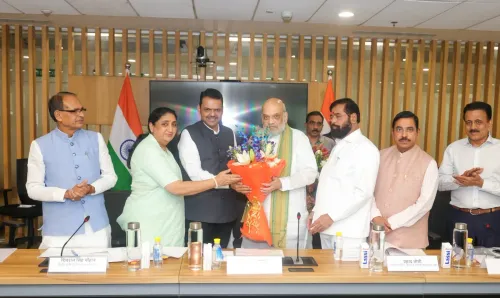
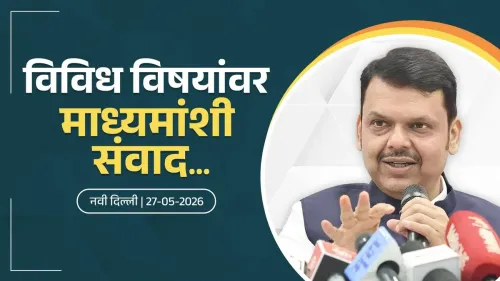
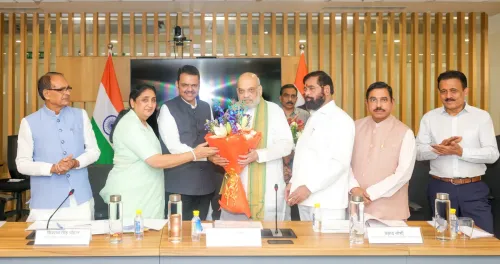
The Chief Minister's Office of Maharashtra announced on Thursday, 28 May 2026 that Chief Minister Devendra Fadnavis met Union Home and Cooperation Minister Amit Shah to raise two pressing agricultural issues: a hike in the sugarcane price and central procurement of onions.
Context
Maharashtra is India's leading sugarcane-producing state, home to a dense network of cooperative sugar mills that directly affect the livelihoods of millions of farmers. Onion cultivation, concentrated in districts such as Nashik and Ahmednagar, makes the state acutely sensitive to price swings in both commodities. When either market falters, the political and economic pressure on the state government is immediate.
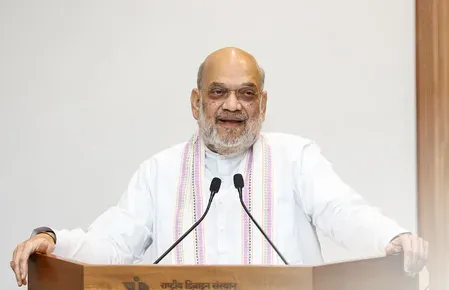
Chief Minister Fadnavis, a Bharatiya Janata Party leader who has served multiple terms at the helm of Maharashtra, has consistently positioned agricultural stability as a priority. His direct meeting with Amit Shah — who holds both the Home Affairs and Cooperation portfolios — reflects the dual leverage the Union minister wields over cooperative sugar factories and central market-intervention mechanisms.
Policy Backdrop
The central government fixes the Fair and Remunerative Price (FRP) for sugarcane annually under the Sugarcane (Control) Order. Cooperative mills in Maharashtra are legally bound to pay farmers at least this floor price, and any upward revision directly eases farmer distress and reduces arrear accumulation at mills. CM Fadnavis is understood to have sought an increase in the FRP for the upcoming crushing season.
On onions, the Centre has repeatedly deployed the state-owned NAFED to procure buffer stocks during price crashes — a mechanism used notably during the 2020-21 season — while also using export restrictions and minimum export prices to balance domestic inflation against farmer returns. Maharashtra has been a recurring petitioner for central procurement support ahead of kharif harvests, when fresh-crop arrivals can depress farm-gate prices sharply.
The Ministry of Cooperation, established in 2021, was created specifically to strengthen and regulate the cooperative sector, giving Amit Shah a direct institutional role in decisions that affect sugar mills and agricultural marketing cooperatives across the country.
Stakeholders and Impact
Sugarcane farmers, onion growers, and the operators of cooperative sugar mills are the primary stakeholders. A higher FRP translates into guaranteed income for cane farmers at the point of delivery, while timely central procurement of onions provides a price floor that prevents distress selling during peak-arrival months. Both measures also have downstream effects on rural credit cycles and cooperative mill solvency.
The meeting signals that Maharashtra is actively lobbying the Centre ahead of what could be a critical pricing and procurement window. State-level procurement budgets and farmer-income targets for the year hinge significantly on the outcomes of such centre-state consultations under India's cooperative federal structure.
What's Next
Attention will now focus on whether the central government revises the sugarcane FRP for the 2026-27 crushing season and whether fresh procurement tenders are floated for onions ahead of the kharif harvest. Any announcement from the Ministry of Cooperation or the Cabinet Committee on Economic Affairs in the coming weeks will be closely watched by farmer groups and cooperative mill associations across Maharashtra. The outcome of this meeting could set the tone for agricultural price policy in one of India's most politically consequential rural economies.
Point of View
The Chief Minister's direct outreach to the Cooperation Minister signals urgency ahead of a critical agricultural calendar window. The framing of both issues together — FRP revision and procurement support — suggests a coordinated ask designed to address farmer distress on two fronts simultaneously. How the Centre responds will reveal the limits of cooperative federalism when commodity price decisions intersect with electoral arithmetic in a state as large and agriculturally complex as Maharashtra.
NationPress
12 Oct 2026
Frequently Asked Questions
Why did CM Devendra Fadnavis meet Amit Shah in May 2026?
CM Devendra Fadnavis met Union Minister Amit Shah on 28 May 2026 to seek a hike in the sugarcane Fair and Remunerative Price and central procurement support for onions, two commodities critical to Maharashtra's rural economy.
What is the Fair and Remunerative Price for sugarcane?
The Fair and Remunerative Price (FRP) is the minimum price the central government mandates sugar mills to pay farmers for sugarcane, fixed annually under the Sugarcane (Control) Order. Maharashtra has been seeking an upward revision to ease farmer distress.
How does the Centre procure onions to support farmers?
The central government uses NAFED, a state-owned cooperative, to buy onions directly from farmers during price crashes, creating a buffer stock that stabilises farm-gate prices and prevents distress selling during peak-arrival months.
What is Amit Shah's role in Maharashtra's sugar and onion sector?
As Union Minister for Home Affairs and Cooperation, Amit Shah oversees the Ministry of Cooperation, which was created in 2021 to regulate cooperative sugar mills and agricultural marketing bodies, giving him direct authority over key decisions affecting Maharashtra's farmers.
What are the next steps after the Fadnavis-Shah meeting?
Analysts will watch for a central government revision of the sugarcane FRP for the 2026-27 crushing season and any fresh NAFED procurement tenders for onions ahead of the kharif harvest in Maharashtra.