Centre forms panel under Prof Ramesh Chand to address sugarcane farmers' concerns
Synopsis
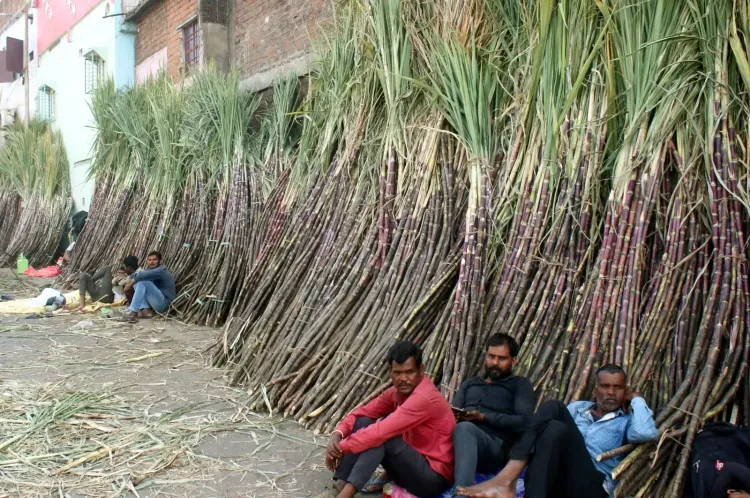
The Centre has formed a high-level committee chaired by former NITI Aayog Member Prof Ramesh Chand to tackle sugarcane farmers' demands on pricing, sugar MSP revision, and mill weighment practices. The panel's formation follows direct farmer-ministerial talks and puts the spotlight on structural flaws in India's sugar recovery and cane pricing architecture.
Key Takeaways
The Centre has constituted a committee chaired by Prof Ramesh Chand , former NITI Aayog Member, to examine sugarcane farmers' concerns.
The panel will review demands for higher remunerative returns to farmers and revision of the ex-mill Minimum Selling Price (MSP) of sugar .
Key focus areas include sugar recovery testing , sugarcane weighment practices , and deductions for mechanically harvested cane.
The committee will consult farmers' representatives , sugar mill associations , and state governments before submitting its report.
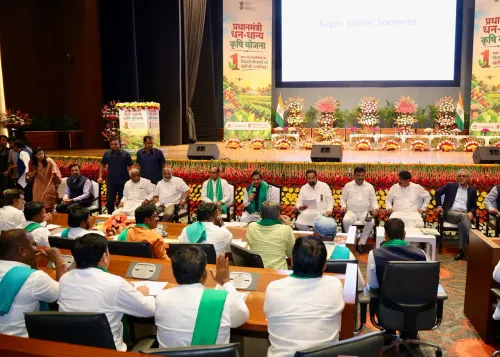
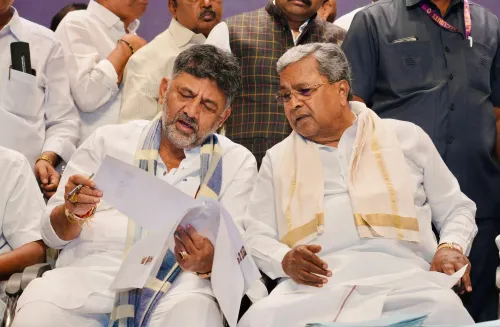
The move follows a meeting between Karnataka and Maharashtra sugarcane farmer representatives and Union Ministers of Agriculture and Consumer Affairs.
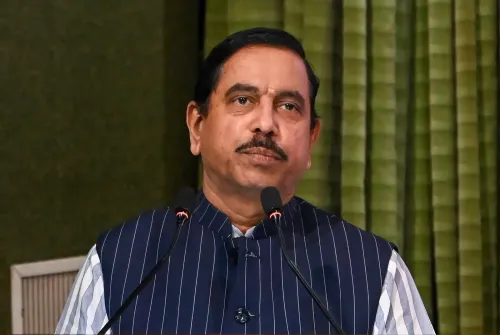
Prof Ramesh Chand served as NITI Aayog Member from 2015 to 2026 and is a member of the Fifteenth Finance Commission .
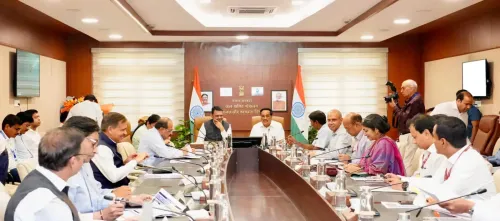
The Centre has constituted a high-level committee under the chairmanship of Prof Ramesh Chand, former Member of NITI Aayog, to examine issues raised by sugarcane farmers and recommend concrete measures to address their grievances. The move follows a meeting between representatives of sugarcane farmers from Karnataka and Maharashtra and the Union Ministers of Agriculture and Farmers Welfare and Consumer Affairs, Food and Public Distribution.
Panel Composition and Mandate
The committee includes the Agriculture Commissioner, Ministry of Agriculture and Farmers Welfare; the Joint Secretary, Sugar, Department of Food and Public Distribution; and the Joint Secretary, Legal Metrology, Department of Consumer Affairs as members. Its primary mandate is to examine the demand for higher remunerative returns to sugarcane farmers, factoring in cultivation costs and other relevant considerations.
The panel will also review the demand for a revision of the ex-mill Minimum Selling Price (MSP) of sugar, taking into account sugar production costs, market realisations, and the financial viability of sugar mills across the country.
Key Areas Under Scrutiny
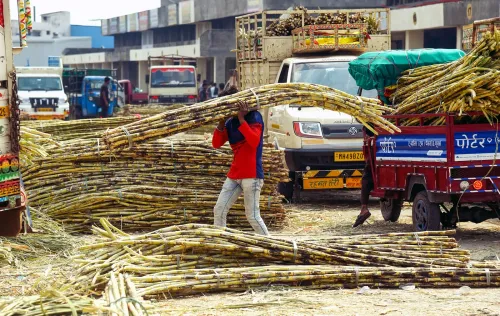
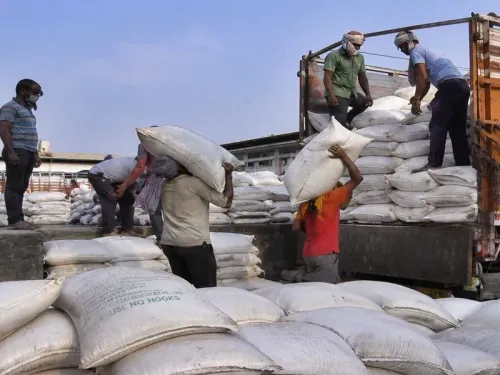
Among the critical areas the committee will investigate are existing mechanisms for testing and reporting sugar recovery rates, the adequacy of calibration and verification frameworks, and prevailing sugarcane weighment practices at sugar mills. Notably, the panel will also examine deductions applied to the weight of mechanically harvested sugarcane — a longstanding grievance — and assess whether actual losses justify current deduction norms.
The committee will evaluate the financial impact of existing practices on the cane price payable to farmers, and is empowered to take up any other related matters it deems necessary.
Stakeholder Consultations Planned
The committee is expected to consult a wide range of stakeholders, including farmers' representatives, sugar mill associations, state governments, and domain experts. It will submit a report containing its findings and specific recommendations to the competent authority as early as possible.
Who Is Prof Ramesh Chand
Prof Ramesh Chand is a distinguished agricultural economist and public policy expert who served as a NITI Aayog Member from 2015 to 2026. He previously served as Director of ICAR-NIAP and as a Member of the Fifteenth Finance Commission. His expertise spans agricultural development, food security, and agricultural markets and pricing policy — credentials that lend significant credibility to the panel's work.
This comes amid sustained farmer pressure from two of India's largest sugarcane-producing states, and signals the Centre's intent to move beyond ad hoc interventions toward a structured review of the sector's pricing and recovery architecture.
Point of View
Not another consultative exercise. The real test will be the timeline: if the report is shelved or delayed past the next harvest season, the committee will have served its political purpose without serving its stated one.
NationPress
14 Oct 2026
Frequently Asked Questions
Why has the Centre formed a committee on sugarcane farmers' issues?
The Centre formed the committee following a meeting between sugarcane farmer representatives from Karnataka and Maharashtra and the Union Ministers of Agriculture and Consumer Affairs. The panel will examine demands for better pricing, sugar MSP revision, and transparent weighment and recovery practices at mills.
Who is chairing the new sugarcane committee?
Prof Ramesh Chand, a former Member of NITI Aayog who served from 2015 to 2026, is chairing the committee. He is an agricultural economist with expertise in food security, agricultural markets, and pricing policy, and previously served on the Fifteenth Finance Commission.
What specific issues will the committee examine?
The committee will examine the demand for higher remunerative returns to sugarcane farmers, revision of the ex-mill Minimum Selling Price of sugar, sugar recovery testing mechanisms, sugarcane weighment practices at mills, and deductions applied to mechanically harvested cane.
Which states' farmers prompted the formation of this committee?
Sugarcane farmer representatives from Karnataka and Maharashtra met with Union Ministers, leading directly to the Centre's decision to constitute this committee. These are two of India's major sugarcane-producing states.
When will the committee submit its report?
The committee has been asked to submit its report containing findings and specific recommendations 'as early as possible' for consideration by the competent authority. No fixed deadline has been publicly specified.