CM Fadnavis Orders Banks to Stop Pressuring Farmers for Loan Recovery
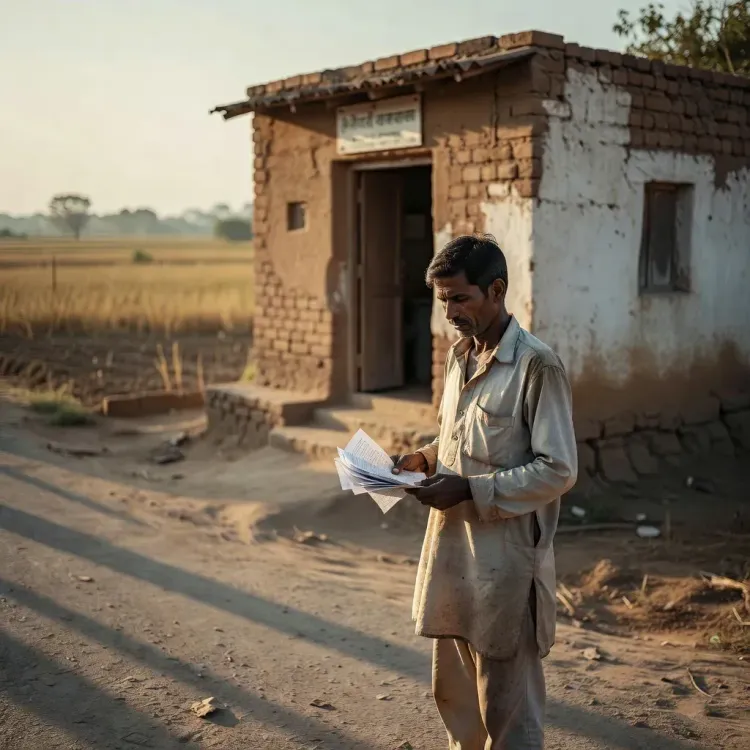
Synopsis
Maharashtra Chief Minister Devendra Fadnavis issued strict directions on 14 October 2026 barring District Central Cooperative Banks and Primary Agricultural Credit Societies from pressuring farmers for loan recovery, signalling relief for debt-stressed rural households across the state.
Key Takeaways
Devendra Fadnavis issued strict instructions on 14 October 2026 ordering cooperative banks and credit societies to stop pressuring farmers for loan repayments.
The directive covers District Central Cooperative Banks and Primary Agricultural Credit Societies (PACS) — the two main rural credit institutions in Maharashtra.
The announcement was made in both Marathi and Hindi , signalling wide reach across Maharashtra's farming communities.
Maharashtra has a precedent for such measures, including a large farm loan waiver announced in 2017 under Fadnavis's first tenure.
Compliance monitoring by district administrations and any follow-up relief orders will be key to the directive's real-world impact.
The move fits a recurring state-level pattern of issuing recovery-relief instructions during periods of agrarian stress.
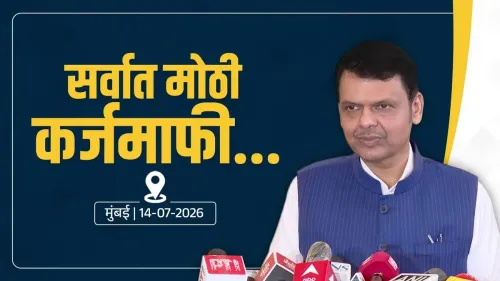
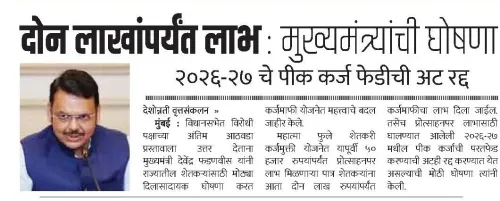
Relief arrived on Wednesday for debt-stressed farmers across Maharashtra — not as a waiver, but as a firm directive. Maharashtra Chief Minister Devendra Fadnavis on 14 October 2026 issued strict instructions to District Central Cooperative Banks and Primary Agricultural Credit Societies across the state, ordering them to immediately stop pressuring farmers for loan repayments.
Posting from Mumbai, Fadnavis announced — in both Marathi and Hindi — 'जिल्हा बँकांना व सोसायट्यांना शेतकऱ्यांकडे कर्जवसुलीसाठी तगादा न लावण्याचे कडक निर्देश' ('Strict instructions to district banks and societies not to harass farmers for loan recovery'). The dual-language communication signals a message aimed at both rural Maharashtra and a broader audience.
Who carries the debt — and who collects it
District Central Cooperative Banks are the backbone of rural credit in Maharashtra, channelling crop loans directly to farmers at the village level. Below them sit the Primary Agricultural Credit Societies (PACS) — grassroots bodies that handle the actual disbursal and collection in individual villages. Together, these institutions form the first and most immediate line of financial contact for millions of small and marginal farmers.
It is precisely this proximity that makes aggressive recovery drives so damaging. When a PACS agent or cooperative bank official shows up repeatedly at a farmer's doorstep during a distress period, the psychological and economic pressure can be severe — a reality Maharashtra's government has been forced to address more than once.
A state with a long memory on farm debt
This directive does not emerge from nowhere. In 2017, during Fadnavis's first term as Chief Minister, the Maharashtra government announced a farm loan waiver covering cooperative and nationalised bank dues of small and marginal farmers — one of the largest such exercises in the state's history. The political logic was the same then as now: agrarian stress, if left unaddressed, translates into rural unrest and deepening indebtedness spirals.
Maharashtra governments across party lines have periodically issued recovery-relief orders to cooperative credit institutions during periods of stress. The pattern is well established. What matters now is whether district-level compliance follows the directive or whether it remains a paper instruction.
What farmers and banks should expect next
The immediate practical effect of Fadnavis's order, if implemented, is a halt on recovery visits, notices, and pressure tactics directed at farm borrowers. For farmers carrying outstanding crop loans or overdue dues, this provides a temporary window of relief. For the cooperative banks and societies, it means a freeze on enforcement — which they will need to absorb without formal write-offs, unless a broader relief package follows.
The directive, for now, is a signal and a shield. Whether it evolves into a structured relief scheme — an extended moratorium, a partial waiver, or a restructuring mechanism — will be the question dominating Maharashtra's agricultural credit conversations in the weeks ahead. The assembly and district administrations will be watched closely for follow-up orders.
One thing is certain: in a state where farm indebtedness has repeatedly defined elections and governments, the Chief Minister has made his priorities clear on a Wednesday evening in October.
Point of View
High-visibility measure that halts recovery pressure without committing state finances to a full waiver. It fits a well-worn Maharashtra playbook: when rural distress signals mount, a recovery moratorium buys political goodwill and social stability while a larger package is assessed. The dual-language announcement suggests the Chief Minister is also messaging beyond Maharashtra, positioning himself as responsive to farmer welfare at a national BJP optics level. The real test is downstream — whether district banks comply or quietly continue enforcement, and whether this directive is the floor of relief or merely its opening move.
NationPress
14 Oct 2026
Frequently Asked Questions
What did CM Devendra Fadnavis order regarding farmers and loans?
On 14 October 2026, CM Fadnavis issued strict orders to District Central Cooperative Banks and Primary Agricultural Credit Societies in Maharashtra to immediately stop pressuring farmers for loan recovery.
Which banks and institutions are covered by Fadnavis's farmer relief directive?
The directive covers District Central Cooperative Banks and Primary Agricultural Credit Societies (PACS) — the two primary cooperative credit institutions that directly interact with farmers at the village level in Maharashtra.
Has Maharashtra issued such directives to protect farmers from loan recovery before?
Yes. Maharashtra governments have periodically issued recovery-relief instructions to cooperative institutions during periods of agrarian stress. In 2017, Fadnavis's government also announced a major farm loan waiver covering small and marginal farmers.
Does this directive mean Maharashtra farmers' loans are being waived?
No. The current directive orders banks to stop pressuring farmers for repayment — it is a recovery freeze, not a waiver. Whether a formal write-off or restructuring follows is not yet confirmed.
What happens next after Fadnavis's order to stop farmer loan recovery pressure?
Compliance reports from district banks and any follow-up state orders or assembly discussions on agricultural credit relief will determine whether the directive translates into lasting farmer relief or remains a temporary halt.