CM Himanta Turns Flyover Underbellies Into Urban Assets
Synopsis
Assam CM Himanta Biswa Sarma spotlights two initiatives — a sports zone under a Jorhat flyover and vertical gardens planned beneath Guwahati flyovers — and invites citizens to suggest more uses for underpass spaces, signalling a broader push to make transport infrastructure serve community needs.
Key Takeaways
Assam CM Himanta Biswa Sarma shared details of flyover underpass reuse projects on 14 October 2026 .
A sports zone has already been built under a flyover in Jorhat , eastern Assam.
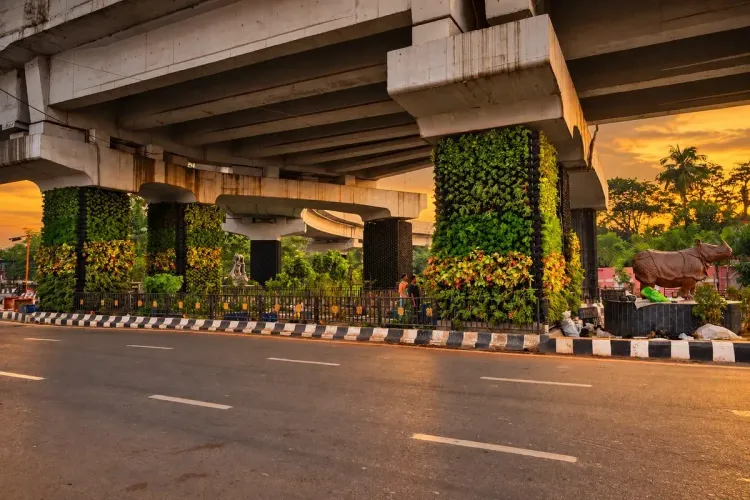
Vertical gardens are being installed under flyovers in Guwahati to improve aesthetics and reduce pollution.
The CM issued a public call for suggestions on further uses of flyover underpass spaces.
The initiatives fit a broader Assam government pattern of layering community amenities onto urban transport infrastructure.
Public responses could influence future tenders and plans under Assam's urban development department.
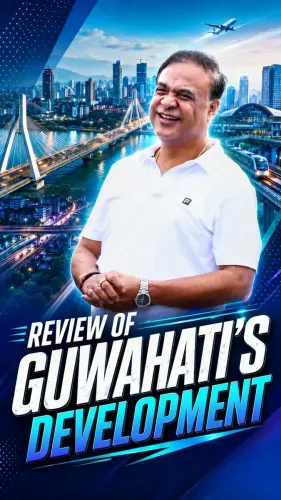
Under every flyover is a story waiting to be told — and Assam Chief Minister Himanta Biswa Sarma is determined to write a better one. On Wednesday, 14 October 2026, the Chief Minister shared how his government is transforming the dead space beneath flyovers into living, breathing community assets across Assam.
From Jorhat's Sports Zone to Guwahati's Green Walls
The post points to two distinct projects separated by both geography and ambition. In Jorhat, a major city in eastern Assam, the state government converted the underside of a flyover into a sports zone — handing commuter infrastructure a second life as a recreational facility for residents. The model proved the concept: unused concrete can become community square footage.
Now Guwahati, Assam's capital and its largest city, is getting a different treatment. Vertical gardens are being installed beneath flyovers to simultaneously lift the city's visual appeal and chip away at urban pollution. One problem, two interventions — tailored to each city's character.
Why Dead Infrastructure Space Matters in Fast-Growing Guwahati
Guwahati has seen flyover construction accelerate sharply under the current administration as the city wrestles with congestion from rapid urban expansion. That pace of building creates a secondary challenge: vast stretches of shadowed, underused ground-level space that can attract encroachment, dumping, and blight. Vertical gardens address that directly — green cover, air quality benefits, and an aesthetic signal that public space is owned and maintained.
The logic is not unique to Assam. Cities from Seoul to São Paulo have pioneered infrastructure reuse, turning elevated expressway columns into parks, galleries, and markets. What is notable here is the open, civic texture of Sarma's post — he closed with an explicit public call: 'Share your suggestions on how else can we utilize spaces below our flyovers.'
An Open Call That Could Shape Future Tenders
That crowd-sourcing invitation carries real policy weight. How citizens and urban planners respond could feed directly into future project briefs under Assam's urban development department. A street library under one flyover, a farmers' market under another, a bicycle maintenance hub somewhere else — ideas surfaced publicly can, and sometimes do, find their way into municipal budgets and tenders.
Assam has pursued urban mobility upgrades since the mid-2010s, but the current administration's willingness to layer community amenities onto core road projects marks a shift in ambition. Infrastructure is no longer just about moving vehicles — it is increasingly about the kind of city left behind once the concrete sets.
The vertical gardens in Guwahati and the Jorhat sports zone are modest in scale. But the pattern they represent — repurposing transport infrastructure for recreation and environment — is accumulating quietly across the state, one flyover at a time.
Point of View
Green walls in Guwahati — is less about individual projects and more about establishing a replicable template for urban infrastructure reuse across Assam's growing cities. The public call for suggestions is politically savvy: it positions the government as a listening administration while simultaneously crowdsourcing ideas that could reduce planning costs. If even a handful of citizen suggestions translate into pilot projects, the exercise becomes a visible, low-cost demonstration of participatory governance — a useful narrative asset heading into future electoral cycles.
NationPress
14 Oct 2026
Frequently Asked Questions
What was built under the Jorhat flyover in Assam?
The Assam government converted the space below a flyover in Jorhat into a sports zone, giving residents a recreational facility in an otherwise unused underpass area.
What are vertical gardens and why are they being installed under Guwahati flyovers?
Vertical gardens are plant installations grown on vertical surfaces. Guwahati is installing them beneath flyovers to enhance the city's visual appeal and help reduce urban air pollution.
How can I share suggestions for flyover underpass use in Assam?
CM Himanta Biswa Sarma invited public suggestions directly through his post on X. Citizens can reply to the post or engage through Assam government social media channels.
Which cities in Assam have flyover reuse projects underway?
Jorhat already has a sports zone under one of its flyovers, and Guwahati is currently developing vertical gardens beneath its flyovers as part of the state's urban livability push.
What is Assam's broader urban infrastructure policy under CM Himanta?
Under Chief Minister Himanta Biswa Sarma, Assam has accelerated flyover construction to tackle congestion while also pursuing community amenities alongside core road projects, aiming to improve urban livability across the state.