CM Himanta Reviews Guwahati Infrastructure on Ground
Synopsis
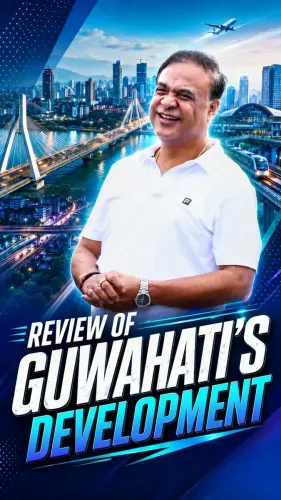
Chief Minister Dr. Himanta Biswa Sarma visited key locations across Guwahati on 14 June 2026 to review infrastructure, public facilities, and ongoing development works, continuing his administration's pattern of direct field-level oversight of urban projects in Assam's largest city.
Key Takeaways
Himanta Biswa Sarma conducted an on-ground review of infrastructure and public facilities across Guwahati on 14 June 2026 .
Guwahati is Assam's largest city and a designated beneficiary of the national Smart Cities Mission launched in 2015 .
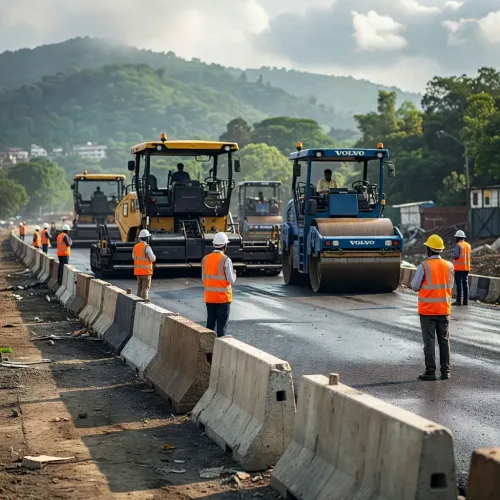
The Guwahati Master Plan 2025 , notified in 2016 , set long-term targets for roads, drainage, and public amenities that the state continues to pursue.
The Assam government announced an accelerated urban infrastructure package for Guwahati following Dr.
Sarma 's assumption of office in May 2021 .
Progress on drainage and flyover projects is expected to be reflected in the 2026-27 state budget and a mid-term review of Smart Cities Mission deliverables.
Direct field reviews by the Chief Minister are a recurring feature of Assam's approach to improving urban project implementation speed.
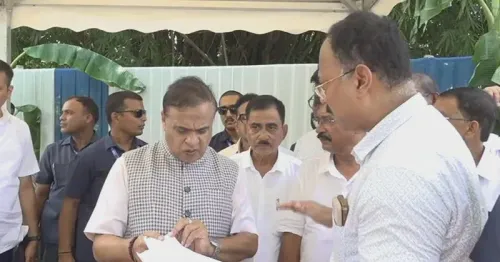
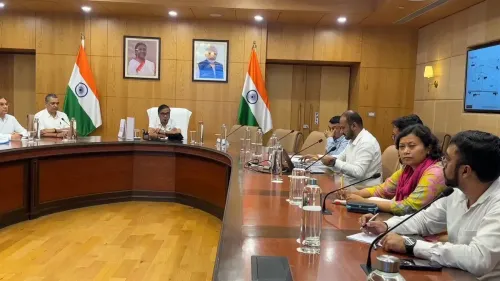
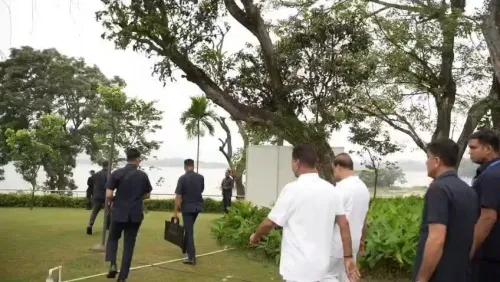
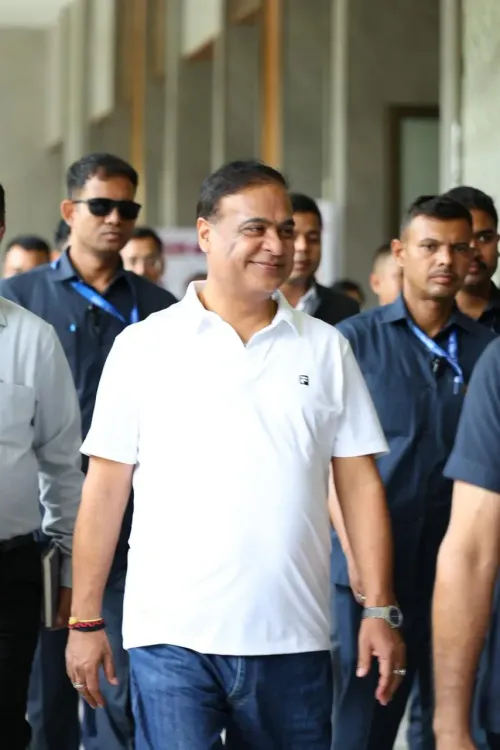
The Chief Minister's Office of Assam announced on Sunday, 14 June 2026 that Chief Minister Dr. Himanta Biswa Sarma conducted an on-ground review of key locations across Guwahati, inspecting infrastructure, public facilities, and ongoing development works in the city.
Context
The visit by CM Himanta Biswa Sarma reflects a pattern of direct, field-level oversight that has characterised his administration since he assumed office in May 2021. Assam governments have long used on-site reviews in Guwahati to accelerate project implementation, particularly ahead of the monsoon season when flooding and traffic congestion pose recurring civic challenges. The Chief Minister's Office confirmed the review covered 'key locations across Guwahati' encompassing infrastructure, public facilities, and development works, though specific sites inspected have not been detailed in the official communication.
Policy Backdrop
Guwahati was designated under the national Smart Cities Mission, launched in 2015, for integrated urban improvements spanning mobility, water supply, and public spaces. The Guwahati Master Plan 2025, notified in 2016, set long-term targets for roads, drainage, and public amenities that successive state governments have pursued. When Dr. Sarma took office in 2021, the Assam government announced an accelerated urban infrastructure package for the city, signalling renewed political priority for Guwahati's development.
As the state's largest city and primary commercial gateway, Guwahati carries outsized significance for Assam's economy and connectivity with the broader Northeast. Urban local bodies and the state government have co-ordinated on drainage upgrades and flyover projects that are expected to feature in the 2026-27 state budget progress reports. The Smart Cities Mission mid-term review of deliverables is also being closely tracked by urban planners and civic groups.
Stakeholders and Impact
Residents of Guwahati stand to be the most immediate beneficiaries of any accelerated infrastructure push stemming from the review. Urban local bodies responsible for day-to-day civic maintenance are expected to receive fresh directives or timelines following the Chief Minister's field assessment. The exercise also signals to contractors and implementing agencies that political leadership is actively monitoring ground-level progress.
This approach of direct chief-ministerial supervision of centrally funded urban schemes mirrors a wider Northeast India pattern, where hands-on oversight is seen as a tool to improve implementation speed and accountability. For Guwahati residents who have long grappled with waterlogging during monsoons and traffic bottlenecks on key arterial roads, such reviews carry practical significance beyond their symbolic value.
What's Next
Detailed findings from the 14 June 2026 review are expected to translate into specific directives for urban agencies in the coming days. Progress on Guwahati's drainage and flyover projects will be a key metric in the upcoming 2026-27 state budget cycle. Any mid-term assessment of Smart Cities Mission deliverables for Guwahati will also provide a broader benchmark for how the state's urban renewal agenda is advancing under Dr. Himanta Biswa Sarma's leadership.
Point of View
On-ground accountability — a posture that serves both administrative and political purposes ahead of the monsoon season. The timing is significant: pre-monsoon reviews in Guwahati have historically been used to pressure implementing agencies on drainage and flood-mitigation works, issues that directly affect voter sentiment in the city. This visit also fits a broader Northeast India pattern where chief ministers use direct supervision of centrally funded schemes to claim ownership of development outcomes. Whether the review translates into measurable acceleration of stalled projects will be the real test of its administrative value.
NationPress
13 Sept 2026
Frequently Asked Questions
Why did CM Himanta Biswa Sarma visit Guwahati on 14 June 2026?
CM Dr. Himanta Biswa Sarma visited key locations across Guwahati on 14 June 2026 to review infrastructure, public facilities, and ongoing development works, as announced by the Chief Minister's Office of Assam.
What is the Smart Cities Mission and how does it relate to Guwahati?
The Smart Cities Mission is a national scheme launched in 2015 that designated Guwahati for integrated urban improvements including mobility, water supply, and public spaces. Guwahati is one of the cities receiving central funding under this programme.
What is the Guwahati Master Plan 2025?
The Guwahati Master Plan 2025 was notified in 2016 and set long-term targets for roads, drainage, and public amenities in the city. Successive Assam governments have pursued its implementation as a framework for urban development.
How long has Himanta Biswa Sarma been Chief Minister of Assam?
Dr. Himanta Biswa Sarma has served as Chief Minister of Assam since May 2021, with a stated focus on accelerating urban infrastructure and public facility upgrades across the state.
What are the main infrastructure challenges in Guwahati?
Guwahati faces recurring challenges including monsoon-related flooding due to inadequate drainage and traffic congestion on key arterial roads. The state government has undertaken drainage upgrades and flyover projects to address these issues.