CM Himanta Hails Guwahati Riverfront as a Top Public Space
Synopsis
Assam Chief Minister Himanta Biswa Sarma on 21 June 2026 lauded Guwahati's Brahmaputra riverfront as one of India's finest public spaces, urging citizens to cherish it responsibly — reflecting the state's ongoing urban renewal push under the Smart Cities Mission.
Key Takeaways
Assam CM Himanta Biswa Sarma on 21 June 2026 publicly praised Guwahati's riverfront as one of India's finest emerging public spaces.
Guwahati was selected under the central government's Smart Cities Mission in 2015 , which includes riverfront and public-space funding.
The riverfront runs along the Brahmaputra , one of the country's largest river systems and a defining geographic feature of Assam's capital city.
The BJP -led Assam government has linked urban infrastructure projects to tourism growth and improved liveability since 2021 .
The Chief Minister urged residents to use the space 'responsibly for generations to come,' signalling a civic upkeep message alongside the development announcement.
Next phases of Brahmaputra riverfront works and their integration with state tourism and municipal budgets remain the key developments to watch.
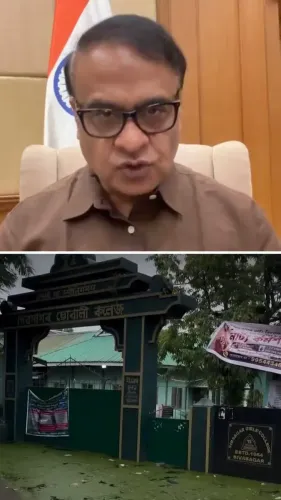
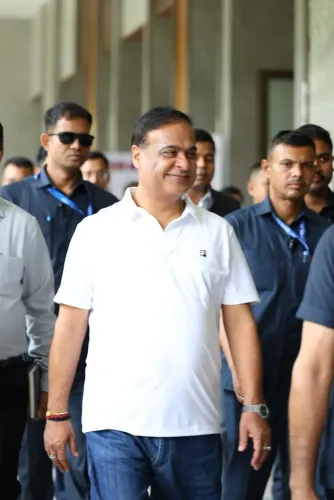
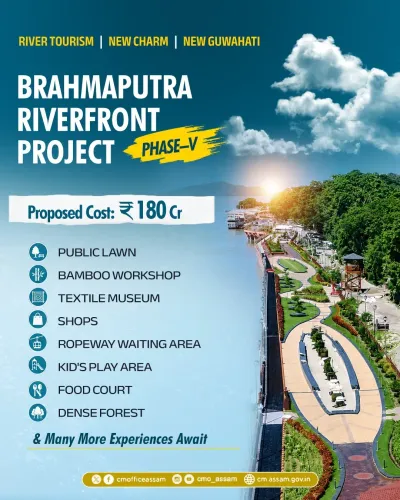
Assam Chief Minister Himanta Biswa Sarma on Sunday, 21 June 2026, took to X to celebrate the transformation of Guwahati's riverfront, calling it one of the finest public spaces in the country and urging citizens to cherish and use it responsibly for generations to come.
In his post, the Chief Minister wrote: 'Guwahati's riverfront is fast becoming one of the finest public spaces in the country. Let's cherish it and enjoy it responsibly for generations to come.' The message was accompanied by a video, offering residents and the wider public a visual glimpse of the waterfront's current state.
Context
Guwahati, the largest city in Assam, sits on the southern bank of the Brahmaputra — one of the world's great river systems — and has long carried the potential for a landmark riverfront. For much of its modern history, however, the water's edge remained underutilised, hemmed in by encroachments and limited civic investment. The Chief Minister's post signals that this reality is changing in a visible way.
The framing — 'fast becoming one of the finest' — positions the project as an ongoing transformation rather than a finished product, reflecting the continuing pace of development along the Brahmaputra waterfront.
Policy Backdrop
Guwahati was selected under the Smart Cities Mission in 2015, a central government programme that earmarked funding for urban renewal including riverfront and public-space components. The initiative sits alongside the AMRUT (Atal Mission for Rejuvenation and Urban Transformation) scheme, both of which have driven waterfront projects across Indian cities over the past decade.
State governments, including the BJP-led administration in Assam, have consistently linked such infrastructure works to twin goals: boosting local tourism and improving urban liveability. CM Sarma has made urban development in Guwahati a visible priority since taking office in 2021, and public posts of this nature form part of a broader pattern of highlighting civic progress to residents and investors alike.
Stakeholders and Impact
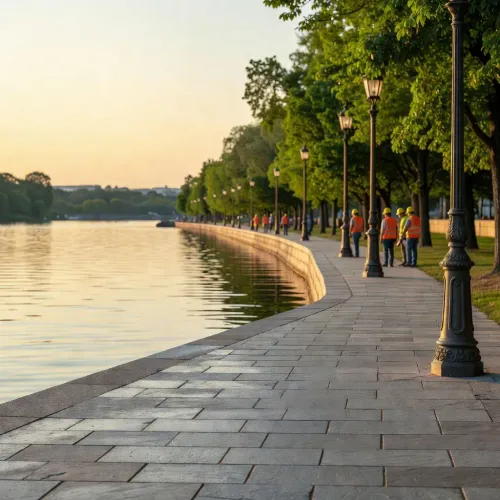
Guwahati's residents stand to benefit most directly from a well-developed riverfront — gaining green open space, pedestrian promenades, and recreational infrastructure along the Brahmaputra. The local tourism sector also has a direct stake: a landmark waterfront can draw visitors from across the North-East and beyond, supporting hospitality, food, and cultural businesses in the city.
The Chief Minister's call to 'enjoy it responsibly' carries an implicit civic message, nudging the public towards maintaining the cleanliness and order of a shared urban asset — a recurring challenge for high-footfall public spaces across Indian cities.
What's Next
Attention will now turn to the next phases of Brahmaputra riverfront works and how they are integrated with Assam's state tourism strategy and Guwahati Municipal Corporation budgets. The post is likely to renew public interest in the project's timeline, scope, and the facilities being added along the waterfront. How the administration balances rapid development with ecological sensitivity along the Brahmaputra — a river prone to seasonal flooding — will be a key question going forward.
Point of View
A framing that can deflect criticism if the space degrades over time. For the North-East more broadly, a flagship riverfront in Guwahati strengthens the city's claim as the region's premier urban centre.
NationPress
20 Sept 2026
Frequently Asked Questions
What is the Guwahati riverfront project?
The Guwahati riverfront is an urban renewal project along the banks of the Brahmaputra river in Assam's largest city, developed partly under the central government's Smart Cities Mission, which selected Guwahati in 2015. It aims to create public recreational and pedestrian spaces along the waterfront.
What did Himanta Biswa Sarma say about the Guwahati riverfront?
On 21 June 2026, Assam Chief Minister Himanta Biswa Sarma posted on X that 'Guwahati's riverfront is fast becoming one of the finest public spaces in the country,' urging citizens to cherish and enjoy it responsibly for generations to come.
Which river runs through Guwahati?
The Brahmaputra, one of the world's major river systems, runs through Guwahati and forms the geographic backdrop for the city's riverfront development project.
What is the Smart Cities Mission and how does it relate to Guwahati?
The Smart Cities Mission is a central government initiative launched in 2015 to fund urban infrastructure and renewal projects across selected Indian cities. Guwahati was included in the mission, making it eligible for funding that covers riverfront and public-space development.
Why is the Guwahati riverfront important for Assam's tourism?
A developed riverfront along the Brahmaputra can attract visitors from across the North-East and beyond, supporting local hospitality, food, and cultural businesses. The BJP-led Assam government has consistently linked such urban infrastructure projects to the state's broader tourism growth strategy.