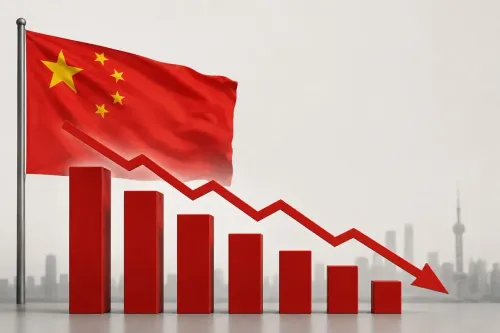
China GDP grows 4.5% in Q3 2026, but weak demand and property slump linger
Synopsis
China's Q3 GDP print of 4.5% looks reassuring on paper — but an AI-driven export surge is papering over a collapsing property sector, a 7.2% fixed-asset investment drop, and near-zero real retail growth. With the IMF already cutting its 2026 forecast and Iran-war energy costs squeezing the world's top crude importer, Beijing's room to manoeuvre is narrowing fast.
Key Takeaways
China's GDP grew 4.5% year-on-year in Q3 2026 (July–September), up from 4.3% in Q2.
Fixed-asset investment fell 7.2% in the first nine months of 2026, signalling weak business confidence.
Retail sales rose just 1.1% in September; after inflation adjustment, real consumer spending was nearly flat.
An AI-fuelled export boom is reportedly masking the depth of the property crisis and weak domestic sentiment.
The IMF last week cut its 2026 China growth forecast to 4.5% , citing energy prices and structural headwinds.
The Iran war has driven up crude costs, hitting China — the world's largest oil importer — particularly hard.
China's economy expanded at a 4.5% year-on-year rate in the July–September 2026 quarter, edging up from 4.3% in the previous quarter, according to data released by the country's National Bureau of Statistics (NBS). Despite the marginal improvement, analysts warn that the world's second-largest economy remains weighed down by weak domestic consumption, a persistent property sector slump, and rising energy costs driven by the ongoing Iran war.
GDP Growth and Official Targets
Beijing has set an annual growth target of 4.5–5% for 2026 — its most modest goal in decades. The Q3 reading technically places China within that range, but economists caution that headline numbers mask deeper structural fragilities. NBS deputy head Mao Shengyong acknowledged that the international environment was 'complex and volatile' and that domestic demand remained 'insufficient.'
Notably, better-than-expected GDP figures could reduce pressure on Beijing to announce significant new stimulus measures in the fourth quarter, potentially leaving the economy without the policy support some analysts believe it still needs.
AI-Fuelled Exports Masking Real Weaknesses
A key driver of China's resilience has been a surge in technology and AI-linked exports, which have helped offset the drag from a depressed property market and subdued household spending. Industrial production grew 5.5% year-on-year in September, up from 5.2% the previous month, reportedly buoyed by strong foreign demand.
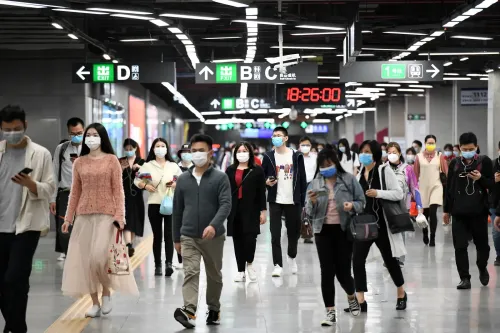
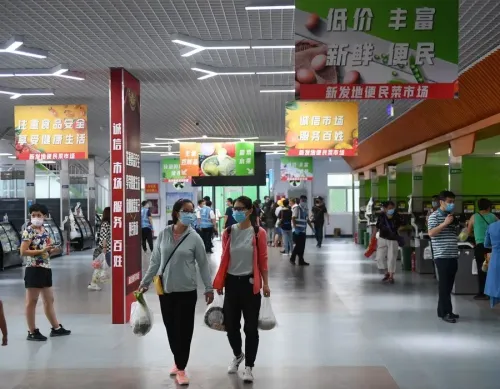
Critics argue, however, that this export-led momentum is obscuring the structural rot underneath. Retail sales rose just 1.1% last month, and after adjusting for inflation, real retail sales barely grew on an annual basis — a signal that consumer confidence remains deeply depressed. One analyst cited in reports described economic momentum in September as 'subdued.'
Property Slump and Investment Decline
China's real estate sector — which once accounted for roughly a quarter of GDP — continues to act as a brake on growth. The government in late September 2026 rolled out mortgage subsidies for certain home purchases and stepped up infrastructure support in an effort to reverse falling consumer spending and investment.
Those measures have yet to produce a measurable turnaround. Fixed-asset investment fell 7.2% during the first nine months of the year, according to reports — a sharp contraction that signals businesses and developers remain risk-averse.
Energy Costs and the Iran War Factor
An additional headwind is the surge in global energy prices linked to the Iran war. As the world's largest importer of crude oil, China is acutely exposed to elevated energy costs, which have stymied shipping from the oil-rich Gulf region and added to industrial cost pressures.
The International Monetary Fund (IMF) last week downgraded its projection for China's 2026 growth to 4.5%, citing the impact of higher energy prices, 'protracted uncertainty and structural headwinds.' The downgrade reflects growing concern that Beijing's policy toolkit may be insufficient to fully insulate the economy from these compounding pressures.
What Comes Next
All eyes are now on Beijing's fourth-quarter policy decisions. If growth remains at the lower end of the 4.5–5% target band, the government may face renewed pressure to deploy more aggressive fiscal or monetary stimulus. However, the risk of encouraging speculative investment — particularly in real estate — could make policymakers reluctant to act decisively. The interplay between export strength, domestic weakness, and energy-cost volatility will define China's economic trajectory heading into 2027.
Point of View
Real retail growth near zero, and a property sector that mortgage subsidies alone cannot rescue. The IMF downgrade last week was a quiet alarm bell — and the Iran war energy shock adds a variable entirely outside China's control. The real question is whether fourth-quarter stimulus, if it comes, addresses structural demand weakness or merely inflates another round of infrastructure spending that moves GDP without moving household incomes.
NationPress
19 Oct 2026
Frequently Asked Questions
How much did China's GDP grow in Q3 2026?
China's GDP expanded 4.5% year-on-year in the July–September 2026 quarter, up slightly from 4.3% in Q2. The figure falls within Beijing's annual target range of 4.5–5%, its lowest growth goal in decades.
Why is China's economic recovery considered fragile despite positive GDP numbers?
Analysts point to a 7.2% drop in fixed-asset investment over the first nine months of 2026, near-zero real retail sales growth after inflation, and a persistent property sector slump as signs that the recovery is uneven. An AI-driven export boom is reportedly masking deeper domestic weaknesses.
How has the Iran war affected China's economy?
As the world's largest crude oil importer, China has been hit hard by the energy price spike tied to the Iran war, which has also disrupted Gulf shipping lanes. The added cost pressure has compounded existing headwinds from weak consumer demand and a sluggish property market.
What has the IMF said about China's growth outlook?
The International Monetary Fund last week downgraded its 2026 growth projection for China to 4.5%, citing higher energy prices, protracted uncertainty, and structural headwinds. The revision reflects concern that Beijing's policy tools may be insufficient to offset these compounding pressures.
What stimulus measures has the Chinese government announced?
In late September 2026, Beijing rolled out mortgage subsidies for certain home purchases and expanded infrastructure support to counter falling consumer spending and investment. Analysts note that these measures have yet to produce a clear turnaround in the data.