China's economy falters as government accused of data cover-up
Synopsis
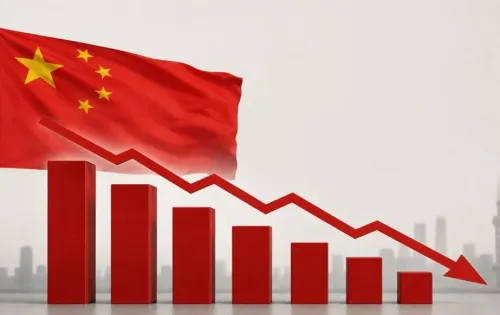
China's official GDP growth of 4.5–5% may be masking a far grimmer reality, with independent analysts putting the real figure at 2–3%. From a collapsed property market to unpaid government salaries in Shenzhen, a new analysis argues Beijing is managing perceptions — not the crisis itself.
Key Takeaways
Independent analysts estimate China's real GDP growth at 2–3% , well below the official 4.5–5% figure, according to a report by hamrakura.com .
China's real estate investment fell by nearly 18% in 2026 , leaving millions of apartments unsold.
Retail sales grew by only 1% in June 2026 , signalling severely weak consumer confidence.
The IMF and independent economists reportedly describe China's slowdown as structural , not cyclical.
In Shenzhen , homelessness is reportedly rising, and civil servants face delayed salaries.
More than half of major Chinese automakers are reportedly reporting losses amid EV price wars.
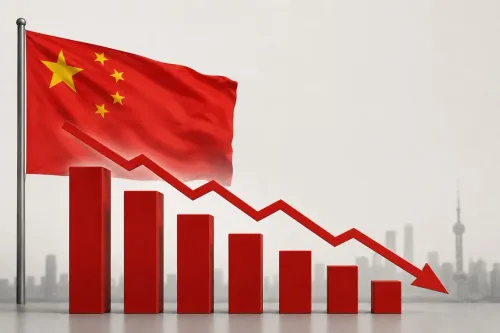
China's economy is showing deepening signs of stress, with independent analysts suggesting that official growth figures significantly overstate the country's actual economic performance, according to an analysis published by Kathmandu-based news outlet hamrakura.com. While Beijing continues to report GDP growth hovering between 4.5% and 5%, independent economists and institutions reportedly place the real figure closer to 2–3% — a gap that critics argue reflects deliberate statistical manipulation.
Official Numbers vs Ground Reality
The Chinese Communist Party (CCP) has long anchored its political legitimacy to economic performance, with growth figures presented as proof of governance competence. But according to the report, the cracks are now too wide to paper over. The country's property sector — once the primary engine of household wealth creation — has collapsed, with real estate investment falling by nearly 18% in 2026, leaving millions of apartments unsold and families financially vulnerable.
Retail sales, a key gauge of consumer confidence, grew by a meagre 1% in June 2026, reflecting a population that is saving rather than spending. Debt levels, particularly among local governments that borrowed heavily to fund low-return infrastructure projects, have reportedly risen to unsustainable levels.
Structural Slowdown, Not a Cyclical Dip
Independent economists, including analysts at the International Monetary Fund (IMF), reportedly warn that China's slowdown is structural in nature rather than a temporary cyclical correction. The report cites satellite imagery of night-time lights — a widely used proxy for real economic activity — showing stagnation across industrial zones that were once considered growth engines.
Social media within China has also reportedly been flooded with accounts of shuttered factories, unpaid wages, and workers protesting outside locked factory gates, even as official statements describe the economy as operating 'within a reasonable range.' Critics argue such language is a form of political cover rather than genuine economic assessment.
Sectors Under Pressure
Exports, historically one of China's most dependable growth levers, are now under strain as global demand softens and trade tensions escalate. Even in sectors where China has appeared competitive — notably electric vehicles — the picture is reportedly grim. Price wars have severely eroded profit margins, and according to the analysis, more than half of major automakers are currently reporting losses.
The CCP's response has leaned toward increased administrative control rather than structural economic reforms, which analysts argue has deepened rather than addressed the underlying demand weakness.
Human Cost on the Ground
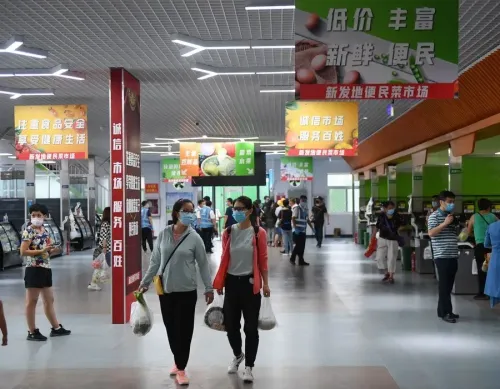
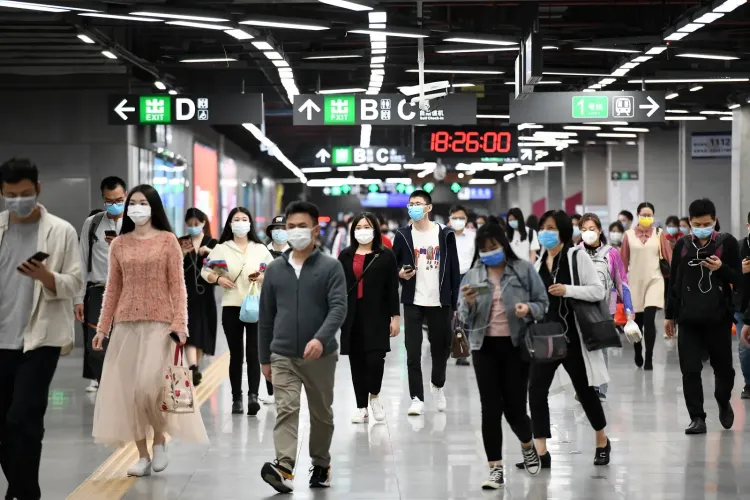
The report points to signs of distress at the household level that go beyond macroeconomic data. In Shenzhen — long held up as a symbol of China's economic ascent — homelessness is reportedly rising. Even civil servants and teachers in ostensibly secure government roles are said to be facing delayed salaries and withheld benefits. Elderly citizens reportedly queue at dawn to secure spots at markets to sell vegetables, which the analysis describes as a stark symbol of shrinking economic opportunity. The middle class, the report notes, is cutting back on essentials — a collapse in confidence that risks creating a self-reinforcing cycle of lower consumption and slower growth.
Why the Data Gap Matters
According to the analysis, inflated growth figures serve a dual political purpose: local Chinese officials use them to secure central funding, while the central leadership uses them to maintain a narrative of prosperity. But this facade is increasingly difficult to sustain. If the real growth rate is indeed closer to 2–3%, the implications extend well beyond China's borders — affecting global supply chains, commodity demand, and trade flows that touch virtually every major economy, including India.
Point of View
Debt, exports, and domestic consumption are all under pressure at once, with no obvious policy lever that Beijing has not already pulled. The CCP's instinct to tighten control rather than pursue structural reform risks entrenching the very demand weakness it needs to escape. For India, a genuinely stagnating China is both a cautionary tale and a strategic opportunity in global supply chain realignment — but only if New Delhi can move faster than it has historically managed.
NationPress
21 Sept 2026
Frequently Asked Questions
What is the real GDP growth rate of China in 2026?
Independent analysts and institutions reportedly estimate China's real GDP growth at closer to 2–3%, significantly below the official figure of 4.5–5%. The discrepancy, according to analysts, is partly the result of politically motivated data management by local and central government officials.
Why has China's property sector collapsed?
China's real estate sector has collapsed after years of debt-fuelled overbuilding, with real estate investment falling nearly 18% in 2026. Millions of apartments remain unsold, destroying household wealth and dampening consumer spending across the broader economy.
How is the Chinese government responding to the economic slowdown?
According to the analysis, the CCP has responded with increased administrative control rather than structural economic reforms aimed at reviving consumer demand. Official statements continue to describe the economy as operating 'within a reasonable range,' which independent analysts characterise as a political cover-up.
How are ordinary Chinese citizens affected by the slowdown?
The impact is visible at the household level: civil servants and teachers are reportedly facing delayed salaries, homelessness is rising in Shenzhen, and the middle class is cutting back on essentials. Elderly citizens are reportedly selling vegetables at dawn markets to supplement shrinking incomes.
What does China's slowdown mean for global trade and India?
A structurally slowing China puts pressure on global commodity demand, supply chains, and export markets. For India, it represents both a risk — through weaker global demand — and a potential opportunity to attract manufacturing investment redirected away from China amid rising trade tensions.