China's restrained stimulus signals debt fears, growth outlook dims
Synopsis
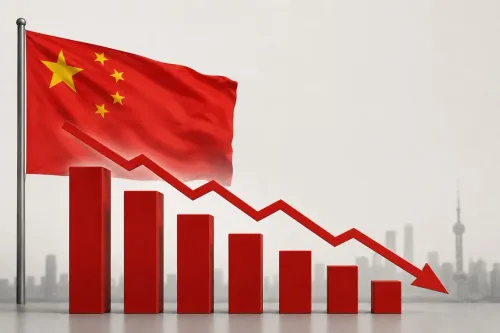
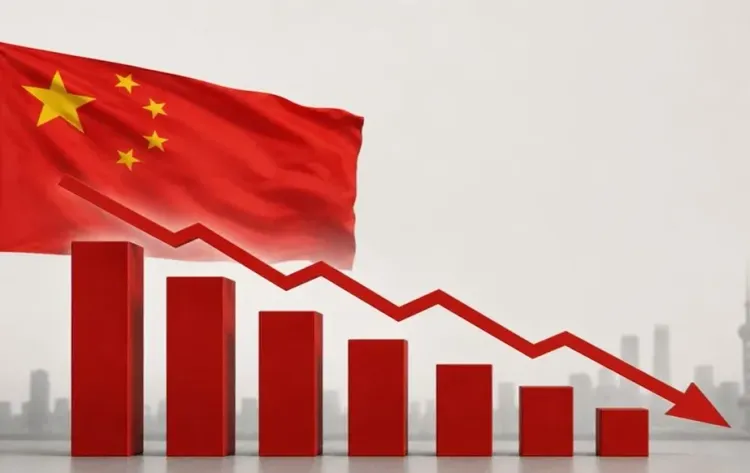
Beijing is deliberately holding back on large-scale stimulus — not out of confidence, but out of fear. With local government debt already stretched and past spending rounds delivering diminishing returns, China's growth playbook is running low on options. A separate Rhodium Group estimate puts real growth at just 2.5–3%, against the official 5% figure — a gap that underscores how much structural stress lies beneath the headline numbers.
Key Takeaways
A Geopolitical Futures report says China's restrained stimulus reflects fears over local government debt burdens and declining effectiveness of large-scale spending.
Beijing is favouring incremental policy support , selective infrastructure spending, and targeted credit measures over broad stimulus campaigns.
Weak domestic demand , a prolonged property sector downturn , persistent deflation , and high youth unemployment continue to drag on the economy.
China's export sector remains resilient but faces risk from Middle East tensions , rising trade uncertainty, and higher input costs.
A separate report, citing Rhodium Group estimates, puts China's true growth at 2.5–3% — well below the official 5% GDP figure for 2025 .
Analysts flag bad debt from a property bubble and an ageing population as the two biggest long-term threats to China's economic future.
China's deliberately cautious approach to economic stimulus reflects mounting concerns over local government debt burdens and the waning impact of large-scale spending campaigns, according to a report by Geopolitical Futures. The findings, cited in reports dated 23 May, suggest that expectations for China's medium-term growth outlook have turned decidedly more guarded, with a rapid economic rebound appearing increasingly unlikely.
Why Beijing Is Holding Back
Rather than launching another sweeping stimulus drive — as it did during previous slowdowns — Beijing has opted for incremental policy support, according to the Geopolitical Futures report. Authorities are reportedly favouring selective infrastructure spending and targeted credit measures designed to stabilise growth without significantly adding to the country's already strained debt profile.
This caution stems from a recognition that past large-scale stimulus rounds have delivered diminishing returns, even as they loaded local governments with liabilities that remain difficult to service.
Structural Pressures Weighing on the Economy
China's economy faces a confluence of headwinds that make rebalancing particularly challenging. Weak domestic demand, a prolonged property sector downturn, and escalating geopolitical risks are all compressing growth potential simultaneously.
Consumer sentiment and private-sector investment remain subdued, even amid targeted support for strategic industries, the report noted. Persistent deflationary pressures and high youth unemployment further signal that households and businesses are still reluctant to spend or expand — a demand-side paralysis that fiscal nudges alone are unlikely to resolve.
Export Resilience Masking Deeper Weakness
China's export sector has remained comparatively resilient, partially offsetting the drag from weak domestic consumption and the property market downturn. However, the Geopolitical Futures report cautioned that escalating tensions in the Middle East could complicate China's recovery path, as rising trade uncertainty and higher input costs erode the export buffer.
This comes amid a broader global environment where major trading partners are reassessing supply-chain dependencies, adding a structural dimension to what has so far been treated as a cyclical problem.
Questions Over Official Growth Figures
A separate report has raised sharper concerns, alleging that China's official headline growth figures are unreliable. Citing estimates from US think tank Rhodium Group, the report suggests that China's true economic growth rate is closer to 2.5–3 per cent — well below the government's reported real GDP growth of 5 per cent for 2025.
The same report identified two structural threats to China's long-term economic future: 'massive amounts of bad debt born from a bursting bubble' and 'an inverted population pyramid from low birthrates and an ageing population.' Together, these forces could constrain Beijing's fiscal room for manoeuvre precisely when stimulus capacity is most needed.
What to Watch Next
Analysts and policymakers will be watching whether Beijing holds its incremental line or pivots toward a larger intervention if domestic demand deteriorates further. The interplay between debt sustainability, demographic decline, and external trade pressure will likely define China's economic trajectory through the remainder of 2025 and into 2026.
Point of View
If credible, means China's official 5% figure is doing significant political work, papering over structural deterioration. The deeper problem is that the two tools China has historically used to manage slowdowns — property-led investment and export-led manufacturing — are both under pressure simultaneously. Demographic decline is not a future risk; it is already compressing the domestic consumer base. Without a credible demand-side recovery, targeted credit measures risk becoming yet another round of supply-side capacity that the market cannot absorb.
NationPress
16 Oct 2026
Frequently Asked Questions
Why is China being cautious about economic stimulus?
China's restrained approach reflects concerns over already-stretched local government debt and the diminishing effectiveness of large-scale spending campaigns, according to a Geopolitical Futures report. Authorities prefer incremental policy support and targeted credit measures that stabilise growth without significantly adding to debt risks.
What structural problems is China's economy facing?
China faces weak domestic demand, a prolonged property sector downturn, persistent deflationary pressures, and high youth unemployment. Geopolitical risks and rising trade uncertainty — partly linked to Middle East tensions — add further complexity to the recovery outlook.
What does the Rhodium Group estimate about China's real GDP growth?
According to estimates cited from US think tank Rhodium Group, China's true economic growth rate is closer to 2.5–3%, significantly below the Chinese government's official real GDP growth figure of 5% for 2025. The gap suggests considerable structural stress beneath headline numbers.
How is China's export sector performing amid the slowdown?
China's export sector has remained comparatively resilient, partially offsetting weakness in domestic consumption and the property market. However, escalating Middle East tensions and rising input costs pose risks to this buffer, potentially narrowing China's external cushion.
What are the biggest long-term risks to China's economy?
A separate report identified two major long-term obstacles: massive bad debt stemming from a bursting property bubble, and an inverted population pyramid driven by low birthrates and a rapidly ageing population. Together, these could severely constrain Beijing's fiscal capacity precisely when stimulus is most needed.