China's economy slows in 2026 amid weak demand and ageing population
Synopsis
China's much-cited 5% growth rate masks a troubling reality: household spending is stagnant, fixed investment turned negative in 2025, and a shrinking workforce is eroding the labour base that powered decades of expansion. A Modern Diplomacy report warns that without a genuine consumption revival, the world's second-largest economy faces a prolonged slowdown with global ripple effects.
Key Takeaways
China's economy is growing at around 5 per cent in 2025–2026 , down sharply from double-digit rates and the 6–8 per cent range of the previous decade.
Household spending remains persistently weak, limiting domestic growth drivers.
Fixed investment turned negative in 2025 , reflecting weaker business sentiment.
China's ageing and shrinking population is reducing the working-age labour supply, making productivity the primary growth lever.
Exports face pressure from US tariffs , geopolitical tensions, and manufacturing shifts to Southeast Asia .
Future growth depends on boosting productivity and reviving consumer demand , both of which are progressing slowly.
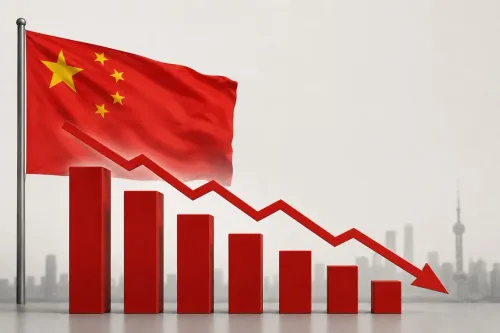
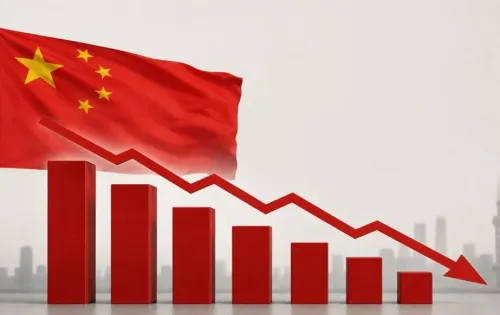
China's economy is losing momentum as weak domestic demand and a rapidly ageing population weigh on growth, signalling deeper structural challenges even as the country maintains around 5 per cent expansion in 2025 and early 2026, according to a report by Modern Diplomacy. The headline growth figure, analysts note, represents a clear deceleration from the double-digit rates China once recorded and the 6–8 per cent range seen in the previous decade.
Weak Household Spending at the Core
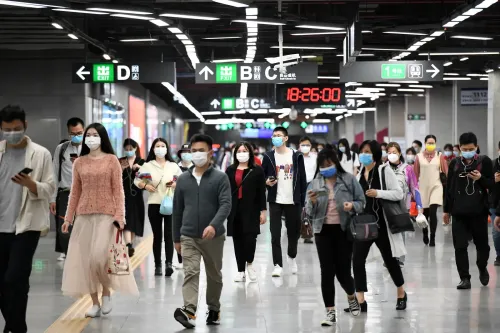
The most pressing concern flagged in the report is persistently subdued household consumption. "People are not buying enough to drive strong growth," the Modern Diplomacy report stated. This demand shortfall has made it increasingly difficult for China's economy to sustain its historic pace of expansion through internal engines alone.
External demand is also under strain. Exports, which historically underpinned China's economic rise, are slowing due to global uncertainty, geopolitical tensions, and rising trade barriers — particularly higher tariffs and restrictions imposed by the United States. Some manufacturing activity has shifted to alternative destinations in Southeast Asia, further eroding China's export base.
Demographic Pressures Tighten Labour Supply
China's demographic profile is undergoing a structural shift. According to the report, the country's population is both ageing and shrinking, leading to a steady decline in the working-age population. With labour supply tightening, productivity gains have become the primary driver of growth. However, productivity improvements have also slowed in recent years, raising questions about the sustainability of future expansion.
This demographic challenge is not a short-term cyclical problem — it represents a long-term structural constraint that policymakers have limited tools to reverse quickly.
Investment Fatigue and Shifting Trade Patterns
Investment, another traditional pillar of Chinese growth, has shown signs of fatigue. Fixed investment turned negative in 2025, reflecting weaker business sentiment and ongoing structural adjustments within the economy. The report noted that between 2012 and 2017, China's growth was supported by strong consumption, robust investment, and stable trade. From 2017 onwards, however, GDP growth weakened as domestic demand softened and export contributions declined.
Global supply chain realignments have compounded the pressure, with multinational firms diversifying production away from China toward countries such as Vietnam, India, and Mexico.
What China's Growth Outlook Depends On
Looking ahead, the Modern Diplomacy report said China's growth trajectory will depend heavily on its ability to boost productivity and offset the impact of a shrinking workforce. Slow progress in strengthening consumer demand remains a key risk to the outlook. Without a meaningful revival in household spending, China's economy could face a prolonged period of below-potential growth — a scenario with significant implications for global trade, commodity markets, and emerging economies, including India.
Point of View
But the underlying data tells a more uncomfortable story. Fixed investment going negative in 2025 is not a blip — it signals that the investment-led model that built modern China has run its course. The demographic contraction is irreversible on any policy-relevant timeline, and Beijing's consumer stimulus efforts have so far failed to shift household saving behaviour rooted in decades of precautionary instinct. The real risk is not a hard landing but a slow grind — a Japan-style stagnation scenario that mainstream commentary continues to underweight.
NationPress
24 Sept 2026
Frequently Asked Questions
Why is China's economy slowing down in 2025–2026?
China's economy is slowing due to a combination of weak household spending, declining fixed investment, an ageing and shrinking workforce, and falling export competitiveness caused by US tariffs and global supply chain shifts. Despite maintaining around 5 per cent growth, these structural pressures signal a deeper deceleration.
What is the impact of China's ageing population on its economy?
China's ageing and shrinking population is steadily reducing the working-age labour supply, forcing the economy to rely more heavily on productivity gains for growth. However, productivity improvements have also slowed, raising concerns about long-term economic sustainability.
What happened to China's fixed investment in 2025?
Fixed investment in China turned negative in 2025, according to the Modern Diplomacy report, reflecting weaker business sentiment and structural adjustments within the economy. This marks a significant shift from the robust investment that previously drove Chinese growth.
How are US tariffs affecting China's exports?
Higher US tariffs and trade restrictions have reduced China's export competitiveness, contributing to a slowdown in export growth. Some manufacturing activity has also shifted to Southeast Asian countries, further pressuring China's traditional export base.
What does China need to do to sustain economic growth?
According to the Modern Diplomacy report, China's growth outlook depends on its ability to boost productivity and revive household consumer demand. Slow progress on both fronts remains the key risk to its long-term economic trajectory.