China Faces Potential Cost-Driven Inflation Amid US-Iran Conflict: Report
Synopsis
As the Iran conflict escalates, a new report warns that China may shift from deflation to cost-driven inflation, risking economic stability. Discover how rising energy prices impact production costs and consumer spending.
Key Takeaways
China may shift from deflation to cost-driven inflation due to rising energy prices.
Production costs are increasing while domestic demand remains weak.
Many Chinese firms are expected to absorb rising costs instead of passing them on to consumers.
Youth unemployment and stagnant wages are growing concerns.
A prolonged period of weak growth could result if the energy crisis continues.
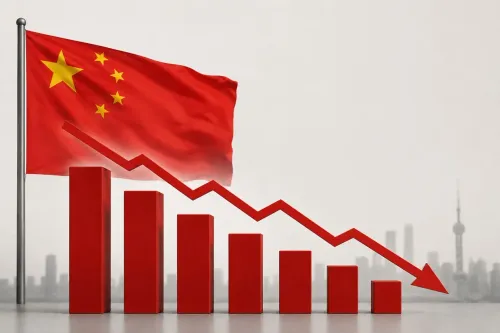
New Delhi, March 21 (NationPress) A recent analysis suggests that China may transition from deflation to a detrimental form of 'cost-driven inflation' as the ongoing conflict in Iran leads to an increase in global energy prices. The surge in oil prices is raising production expenses in China, despite weak domestic demand, forcing companies into a challenging position where they cannot significantly increase prices, according to a report from the EU-based publication, Modern Diplomacy.
"Escalating energy and raw material prices are likely to further squeeze profit margins. Rather than transferring these costs to consumers, many businesses are expected to absorb them, which may result in reduced wages and hiring opportunities," the report outlined.
China's manufacturing sector is already functioning on narrow profit margins, with approximately 25% of firms reportedly operating at a loss due to overcapacity and fierce competition, as noted in the report.
"The pace of income growth is decelerating, and over half of workers did not receive a raise last year, with some even experiencing pay cuts. Youth unemployment remains high, as many continue to struggle with job hunting despite submitting numerous applications," it highlighted.
As wage stagnation continues, consumer spending is declining, which further amplifies the very deflationary pressures that China has been attempting to overcome, leaving companies with limited growth opportunities.
The Chinese economy has historically been propelled by its exports; however, a slowdown in global consumption caused by rising energy costs could adversely affect these exports. "Economists caution that a sharp increase in oil prices could significantly impact GDP growth," the report emphasized.
"Even if China manages to secure a competitive edge through investments in electric vehicles and renewable energy, the decline in global demand will likely negate those advantages," it added.
Additionally, disruptions in energy supply and trade routes due to the Middle East conflict directly exacerbate China's vulnerabilities.
"If the energy shock driven by war persists, China may find itself trapped in a scenario characterized by neither deflation nor healthy inflation, but rather a prolonged phase of weak growth coupled with rising costs," the report cautioned.
Point of View
The report sheds light on the potential economic turmoil that China may face due to external conflicts. It highlights the interconnectedness of global energy prices and domestic economic health, urging policymakers to address these challenges proactively.
NationPress
22 Sept 2026
Frequently Asked Questions
What is cost-driven inflation?
Cost-driven inflation occurs when the costs of production rise, leading to increased prices for goods and services without a corresponding increase in demand.
How is the Iran war affecting China's economy?
The Iran conflict is causing global energy prices to rise, which in turn raises production costs for Chinese companies, impacting their ability to maintain profit margins.
What sectors are most affected by rising energy prices in China?
The manufacturing sector is particularly vulnerable, as many firms operate on thin margins and are struggling with overcapacity and intense competition.
What does the report say about youth unemployment in China?
The report indicates that youth unemployment remains high in China, with many young job seekers facing challenges despite submitting numerous applications.
What could be the long-term implications for China's economy?
If the energy crisis persists, China may experience prolonged weak growth coupled with rising production costs, which could hinder overall economic stability.