Middle East Turmoil: A Catalyst for Global Economic Instability and Inflation
Synopsis
The ongoing conflict in the Middle East poses serious risks to global economic stability, with the IMF forecasting heightened inflation and reduced growth. This situation highlights the intricate relationship between geopolitical events and economic outcomes.
Key Takeaways
Middle East conflict threatens global economic growth.
IMF warns of rising prices and slowing growth.
Oil exporters and import-dependent economies are heavily impacted.
Policy shifts towards energy diversification are expected.
The crisis may lead to increased investments in renewables.
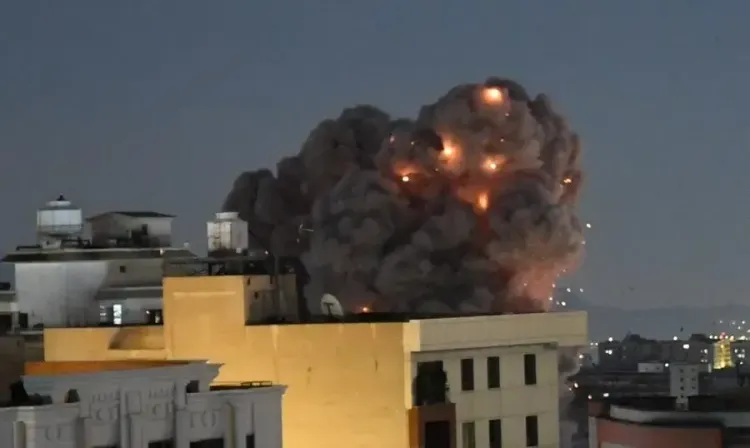
Washington, April 15 (NationPress) The ongoing conflict in the Middle East poses a significant threat to global economic growth and is likely to drive prices higher, as highlighted by officials from the IMF. They noted that disruptions in energy markets and trade flows are becoming widespread.
The International Monetary Fund indicated that this situation has introduced “exceptional uncertainty” into the global economic landscape, prompting a reevaluation of previous forecasts. Deputy Managing Director Bo Li stated that current projections suggest a trend of “elevated prices, diminished growth, and slower overall expansion.”
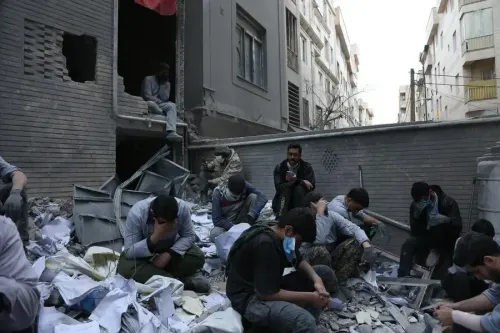
The repercussions of the conflict are already apparent across the Middle East and its neighboring regions. “Countries most directly impacted will find their economic output lagging behind pre-war trends in both the short and medium terms,” Li remarked, emphasizing that the effects are “highly uneven and asymmetric.”
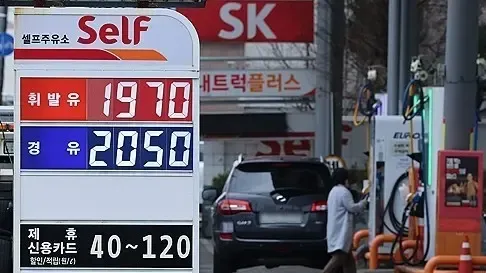
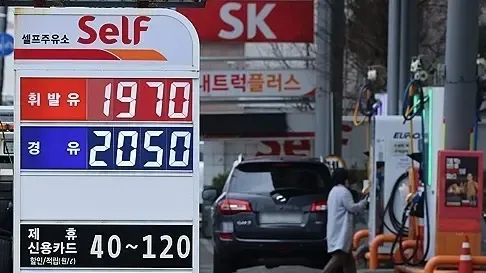
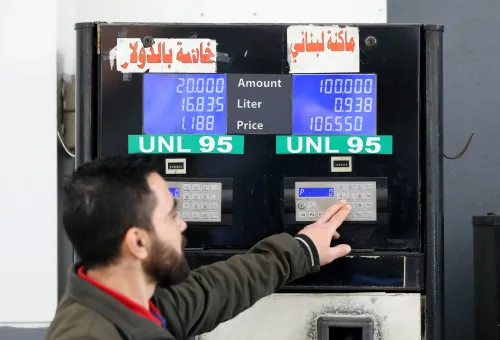
Oil-exporting nations are grappling with interruptions in both production and exports, while economies that rely on imports are facing escalating energy and food costs. This scenario is eroding purchasing power and straining public finances, with low-income and fragile states bearing the brunt due to their dependence on imported fuel and fertilizers.
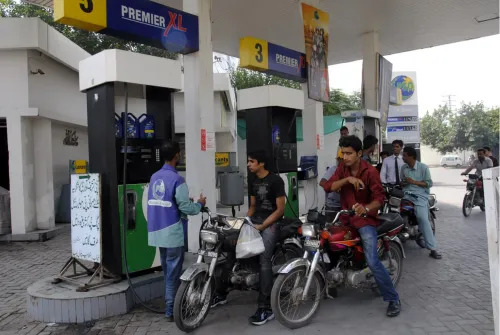
Pakistan’s Finance Minister Mohammad Aurangzeb noted that the immediate priority is to secure energy supplies. He pointed out that shipping durations have considerably increased, leading to higher costs. “Even if the resource is available, logistics must be accounted for,” he stated.
Initially, the government took steps to shield consumers from rising costs, but has since transitioned to “full transmission with targeted subsidies” as fiscal pressures mounted. Current support is directed towards transportation, small farmers, and vulnerable populations. He added that fertilizer reserves have helped mitigate food risks for the time being.
Market responses are indicative of a supply-induced shock rather than a financial crisis. Mike Pyle from BlackRock observed that both stock and bond markets have weakened simultaneously, suggesting a structural disruption rather than a conventional risk-averse trend.
BlackRock has estimated that the ongoing conflict could reduce global growth by 20 to 30 basis points, with Europe expected to experience a more significant downturn. The effects in Asia will be inconsistent, while the United States may remain relatively insulated due to its domestic energy situation, according to Pyle.
Energy markets are facing considerable strain, with Tim Gould from the International Energy Agency reporting that oil supply losses now amount to approximately 13 million barrels per day—over double the scale of the oil shocks in the 1970s. “Even in percentage terms, this represents a larger shock,” he noted.
Disruptions in gas supplies are also being felt, particularly affecting key liquefied natural gas exports. The impacts are anticipated to escalate in the coming weeks as previously scheduled shipments dwindle and supply constraints tighten further.
The crisis is likely to hasten policy changes, with nations expected to diversify their energy sources and bolster reserves. Investments in renewable energy and nuclear power may see an uptick. “There will be initiatives to diversify… along with efforts to enhance strategic reserves,” Li mentioned.
Last year, the global economy demonstrated resilience, with growth exceeding expectations. However, the IMF has cautioned that geopolitical shocks, particularly those affecting energy and supply chains, continue to pose significant risks to the economic outlook.
Point of View
I recognize the alarming ramifications of the Middle East conflict on global economic stability. The IMF's warnings highlight the interconnectedness of geopolitical events and economic realities, necessitating a vigilant approach to navigating these challenges.
NationPress
1 Oct 2026
Frequently Asked Questions
How does the Middle East conflict affect global growth?
The conflict is causing supply disruptions, particularly in energy markets, which leads to higher prices and reduced economic growth worldwide.
What is the IMF's outlook on the conflict?
The IMF warns of exceptional uncertainty, predicting higher inflation and slower growth as a result of the ongoing conflict.
Which regions are most affected by the conflict?
Countries directly impacted by the conflict will see their economic output fall below pre-war trends, especially in the Middle East and neighboring regions.
What measures are countries taking in response?
Countries are expected to diversify their energy sources and invest in renewable energy and strategic reserves to mitigate the impacts of the crisis.
How are markets responding to the conflict?
Markets are experiencing a supply-driven shock, with both equities and bonds weakening simultaneously, indicating structural disruption.