Impact of Rising Oil Prices on South Korean Economy Amid Middle East Tensions
Synopsis
As geopolitical tensions in the Middle East escalate, South Korea’s economy faces inflation risks and declining consumer sentiment. The finance ministry warns that rising oil prices are straining household finances and dampening business outlooks.
Key Takeaways
Geopolitical tensions are impacting South Korea's economy.
Rising oil prices are contributing to inflation concerns.
Consumer sentiment has dropped to its lowest level since May 2025.
Exports are strong, particularly in semiconductors .
The government is actively monitoring and responding to economic challenges.
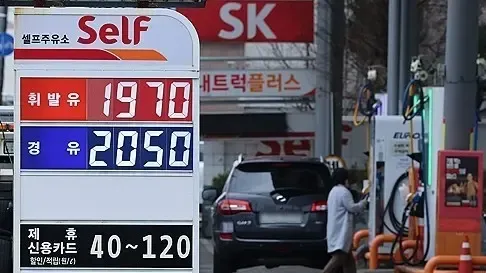
Seoul, April 17 (NationPress) The rising geopolitical tensions associated with the ongoing conflict in the Middle East are creating significant risks of inflation and increasing downward pressure on South Korea's economy, as highlighted by the finance ministry on Friday.
The Ministry of Finance and Economy presented this evaluation in its monthly economic overview, referred to as the Green Book, raising its caution from the previous month when it only mentioned potential impacts, according to Yonhap news agency.
"The economy is encountering heightened downside risks due to the escalation of geopolitical tensions arising from the Middle East conflict," the report stated.
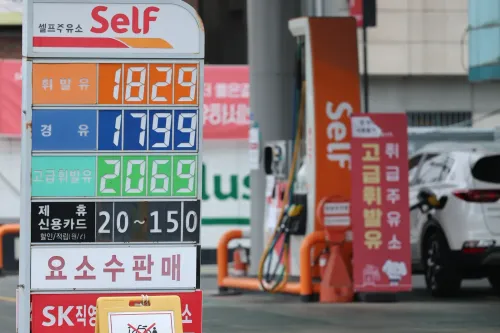
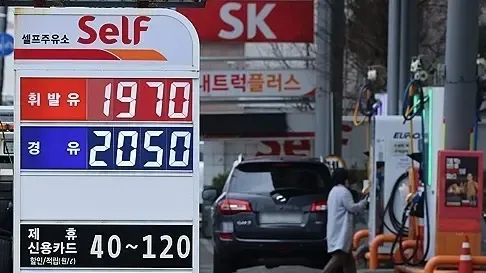
While exports and private spending showed signs of improvement, the growing uncertainties and soaring global oil prices have diminished consumer and business sentiment, raising alarms about inflation and adding financial strain on households, it noted.
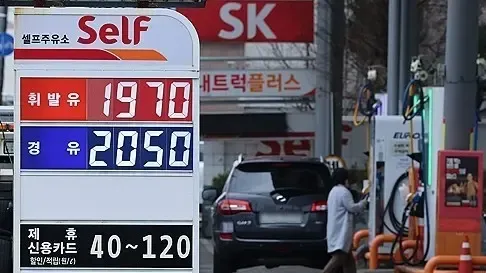
In March, consumer prices increased by 2.2% compared to the previous year, up from a 2% rise in February, largely driven by a spike in global oil prices due to supply disruptions.
The consumer sentiment index dropped by 5.1 points from the prior month to reach 107 in March, marking the lowest level since May 2025 and the most significant decline in 15 months.
Although inflation remains near the 2% target, officials indicated that the relatively modest rise in March was primarily due to the government's fuel price cap and reduced volatility in fresh food prices. They cautioned that upward pressure could escalate as the ramifications of the Middle East conflict unfold.
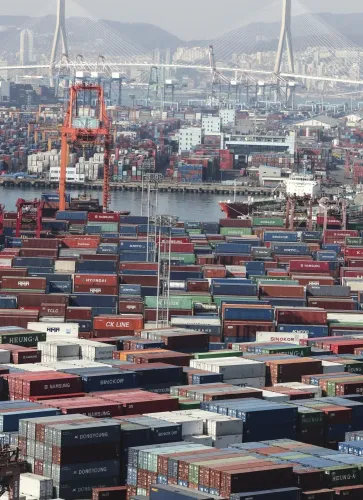
Exports, however, continued to perform strongly, buoyed by robust global demand for semiconductors.
In March, exports soared by 48.3% year-on-year, surpassing the US$80 billion mark for the first time, driven by record semiconductor shipments.
The nation's industrial output experienced its fastest growth in five years and eight months in February, increasing by 2.5% from the previous month, thanks to strong semiconductor production.
"To mitigate the impact of the conflict, the government will uphold an emergency economic response system, closely monitor developments and sector-specific effects, and proactively respond by quickly implementing supplementary budgets," the ministry stated.
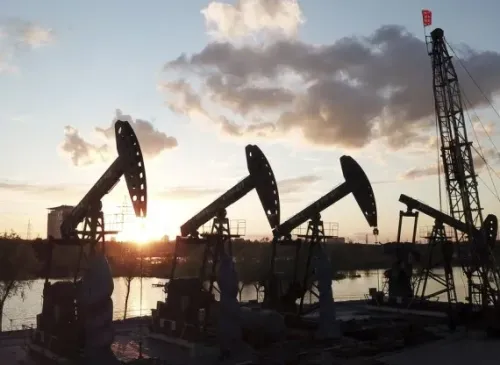
The Middle East conflict, which escalated in late February following U.S.-Israeli airstrikes on Iran, has since developed into a wider regional crisis, driving up global oil prices and causing turmoil in financial markets. Focus is now on peace negotiations between the United States and Iran, as their two-week ceasefire agreement is set to expire next week.
Point of View
I observe that the escalating conflict in the Middle East poses substantial risks to South Korea's economic stability. The finance ministry's warnings highlight the delicate balance the nation must maintain amidst global uncertainties, particularly regarding inflation and consumer confidence.
NationPress
24 Sept 2026
Frequently Asked Questions
What is causing the rise in oil prices?
The rise in oil prices is primarily due to escalating geopolitical tensions linked to the ongoing conflict in the Middle East, which has disrupted supply chains.
How are rising oil prices affecting South Korean consumers?
Rising oil prices are increasing inflationary pressures, thereby straining household budgets and diminishing consumer confidence.
What measures is the South Korean government taking?
The government is maintaining an emergency economic response system and is prepared to execute supplementary budgets to mitigate the conflict's impact.
What is the current state of South Korean exports?
Despite the pressures from rising oil prices, South Korean exports have shown strong growth, particularly in the semiconductor sector.
How is consumer sentiment in South Korea changing?
Consumer sentiment has declined significantly, with the index dropping by 5.1 points, indicating growing uncertainty among households and businesses.